
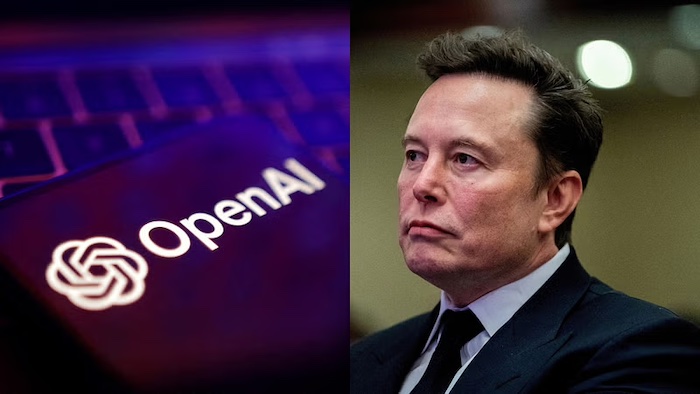

Week two saw Elon Musk step into a courtroom out west, aiming straight at Sam Altman and others who helped launch OpenAI. He claimed they twisted an idea meant to serve everyone into something chasing cash instead. His words didn’t stick though – something felt off as he spoke. The air in the room stayed flat.
Nowhere near active pursuit – that’s what Musk said under pressure, admitting Tesla isn’t working on broad artificial intelligence. A far cry from past remarks where hints of deeper AI ambitions slipped through. This change in stance took center stage during legal proceedings. Attention turned quickly to whether his views have held steady over time.
What drives the lawsuit forward is Musk saying OpenAI’s leaders gave him false assurances. Back when things started, he stood behind them due to their nonprofit setup aimed at keeping AI safe and serving society. Yet everything shifted once they launched a profit seeking branch while pulling in massive funding rounds. His stance rests on the belief that purpose bent the moment big money showed up.
Later came OpenAI’s rebuttal, shaped by lawyers who insisted Musk had known about – even backed – talks of turning profitable at the start. Documents were shown pointing to his prior approval. What remains contested is whether promises to cap financial gains hold real weight under law. Their interpretation might just decide what happens next.
A messy history comes into focus
Now picture this: the back and forth in court shows how tangled OpenAI’s beginnings really are. Started with a clear goal – make AI that helps everyone without causing harm – it slowly shifted shape over time. What emerged was something unusual, part nonprofit watchdog, part business engine, working both sides at once.
What drives Musk’s stance is a belief this change breaks faith with the founding purpose. A deeper worry sits beneath: profit goals might edge out caution, yet these points stand as assertions, not legal conclusions.
Still, OpenAI insists bigger AI needs deeper pockets, so its setup follows the money.
What happens next
Right now, things keep shifting. Testimony from Musk likely carries on, while additional people wait their turn to speak. The outcome might hinge on what judges make of old promises made when OpenAI first started – especially those about capping profits and who gets a say. How courts see those early rules could tilt everything.
Right now, what’s unfolding shows a quiet struggle beneath the surface of artificial intelligence. Creating powerful tech requires cash – yet control? That part remains messy, unclear. Why it exists, who gets to steer it – these things hang in the air.
A single room with wooden benches holds part of the struggle. Inside, voices rise without warning. This space sees tension build in slow moments. Arguments unfold under bright lights. Justice takes shape here, though unevenly. Not every battle happens at a protest or on streets. Some happen behind heavy doors.
Subscribe to my whatsapp channel
