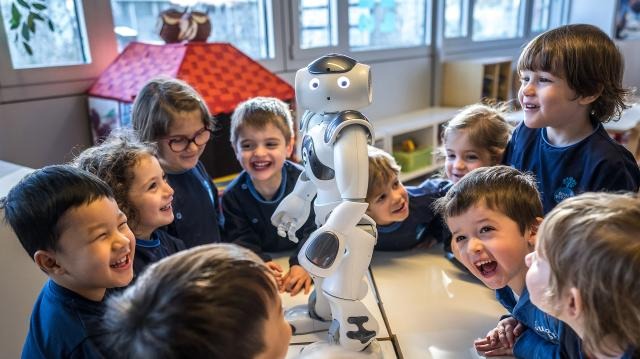

The rapid integration of artificial intelligence into American education is fueling a cultural and philosophical reckoning. As school systems deploy machine-learning tools like ChatGPT for teaching and curriculum development, while simultaneously embracing progressive ideologies, Christian educators are sounding an alarm: Technology and politics must not eclipse education’s core mission of soul formation. This tension has ignited a movement to reclaim classrooms as spaces for moral and relational learning, a challenge where faith-based institutions are positioning themselves as leaders.
The Limits of Algorithmic Teaching
Generative AI tools like ChatGPT have achieved startling adoption rates, with 63% of K-12 teachers reporting usage by mid-2023 7. While proponents highlight efficiency gains from automated grading, personalized tutoring, and lesson planning, Christian universities argue these tools fundamentally lack capacities essential for holistic education. “AI can never be human: it can never love; it can never have empathy; it can never be truly creative,” asserts Dr. David Bourgeois, Professor of Business Analytics at Biola University. This sentiment echoes across faith-based institutions, which draw a firm boundary: AI may assist educators, but must never replace them. The soul-forming dimension of education, on character development, moral discernment, and purpose-driven mentoring, requires human connection, impossible to algorithmize.

Ideological and Operational Risks
Beyond pedagogical concerns, critics warn that AI’s rise enables unprecedented ideological control. “When we hand over the role of teacher to algorithms, we’re handing over power to decide what gets taught and what values are emphasized,” argues Dr. Kent Ingle, President of Southeastern University. Studies confirm AI models frequently reflect creators’ biases, raising alarms about tech companies driven by profit motives shaping students’ worldviews without accountability. Compounding this, traditional curricula increasingly marginalize faith-based perspectives on human dignity and ethics. A Barna Group study reveals only 28% of Christians view AI’s societal impact positively, underscoring widespread skepticism.
Christian Universities as Countercultural Models
In response, institutions like Dallas Baptist University (DBU) are designing programs that fuse technical training with theological reflection. DBU’s pioneering Master of Science in Ethical AI explicitly examines artificial intelligence through a biblical lens, asking students to evaluate decisions against scriptural principles of justice and human dignity. Similarly, Oral Roberts University frames human uniqueness as irreducible: “We are created in the image of God, which grants us dignity and purpose far exceeding biological existence,” says computing chair Dr. Andrew Lang. These schools prioritize wisdom, defined as God-given discernment over mere knowledge transfer, positioning themselves as alternatives to utilitarian education models focused solely on workforce readiness.
Tactical Integration With Guardrails
Rather than rejecting AI outright, Christian educators advocate for “friction fixes” that harness benefits while mitigating risks. Samford University economist Dr. Joy Buchanan notes AI’s potential to personalize learning but cautions against over-reliance: Students risk bypassing critical engagement when using AI summarization tools instead of reading original texts. Solutions include:
-
Policy-Driven Boundaries: Many faith-based universities now prohibit unauthorized AI use in assignments, reverting to in-person essays and exams to ensure authentic learning.
-
AI Literacy Curricula: Schools like Biola University publish biblically rooted frameworks guiding ethical AI use, emphasizing human creativity and accountability.
-
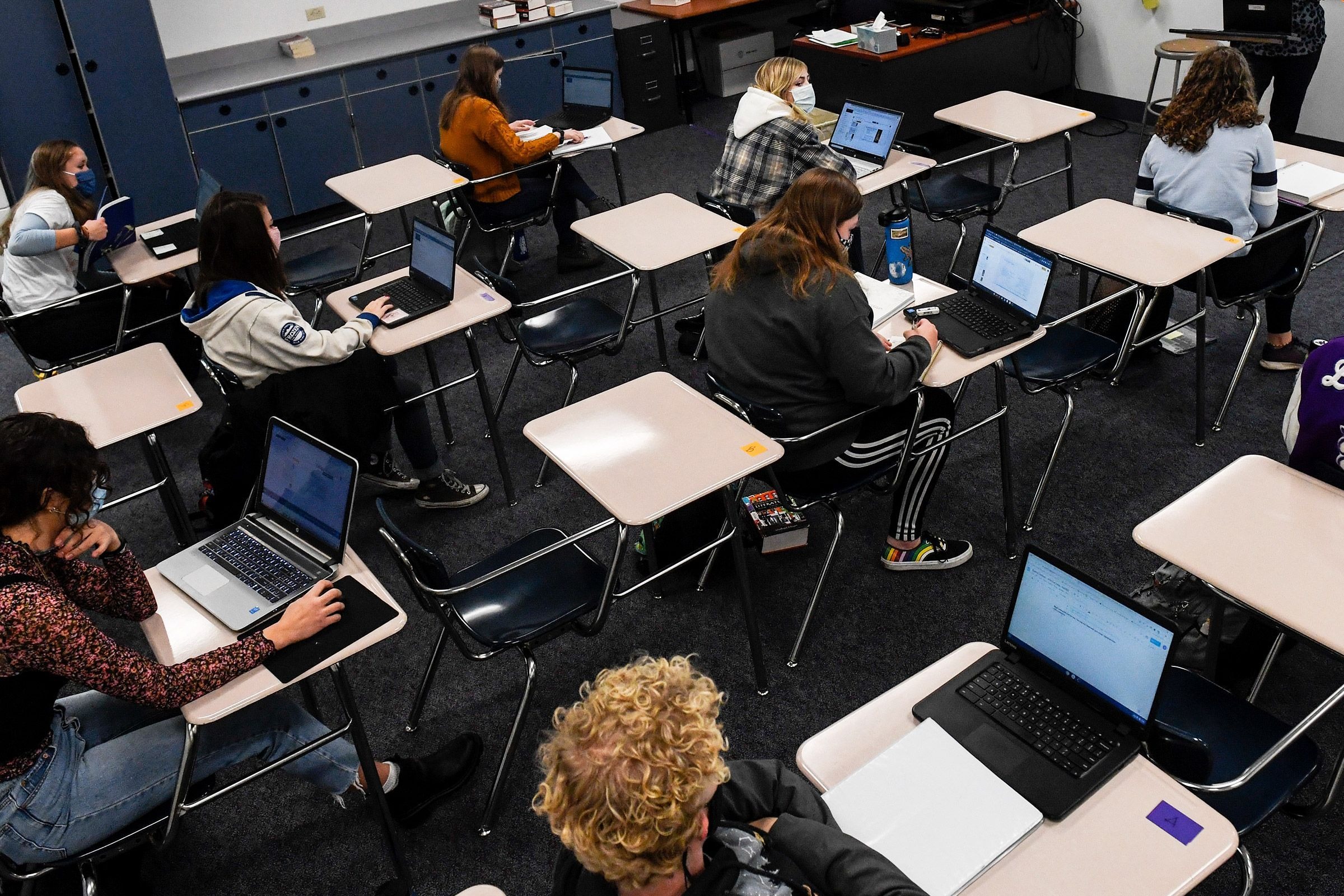
Teacher Empowerment: AI-generated lesson plans, like tailoring polynomial studies for aspiring hairstylists, free educators to mentor rather than administrate.
The Irreplaceable Human Element
The surge in AI adoption coincides with a crisis of trust in traditional expertise. Only 47% of Americans believe college is worth the cost, according to Pew Research. Yet Christian leaders contend their model addresses this disillusionment by offering what algorithms cannot: spiritual formation. “Robots can’t think critically, change the world for Christ, or be good citizens motivated by selfless sacrifice,” emphasizes Dr. Rhyne Putman of Williams Baptist University. This vision of education as a calling, not just a career, resonates in student testimonials. “Everyone at DBU is unified on our mission: to lift high the name of Christ,” says graduate Sarah Castleberry.
As classrooms evolve, the defining question remains whether education will prioritize efficiency over humanity. For Christian institutions, the answer hinges on a non-negotiable truth: Souls aren’t shaped by silicon, but by teachers embodying wisdom, courage, and conviction. Their challenge is proving thathe modelel remains relevant in an age of digital disruption.
Subscribe to my whatsapp channel

Comments are closed.