Apple Intelligence faces a talent crisis as senior AI researchers depart, casting doubt on Siri overhaul
Key AI researchers leave Apple as company rethinks Siri and models

Apple’s push to build a powerful generative AI ecosystem under the Apple Intelligence banner is showing cracks as more than a dozen senior researchers and engineers have left its foundational models team in recent months. The departures, which industry reporting says include high-level leaders and long-time contributors, have raised questions about whether Apple can move quickly enough to match rivals that have been scaling large language models aggressively.
What left the company and why it matters
Sources tracking the exodus say staff have jumped to Meta, OpenAI, xAI, and other startups that are offering far larger pay packages and faster product timelines. The loss of senior talent matters because foundational models form the core of advanced assistant capabilities and on-device intelligence. Former team members and analysts worry that replacing institutional knowledge and research momentum will slow Apple’s roadmap for upgraded assistant features, including the long-promised overhaul of Siri.
Siri timeline and the tools Apple may use
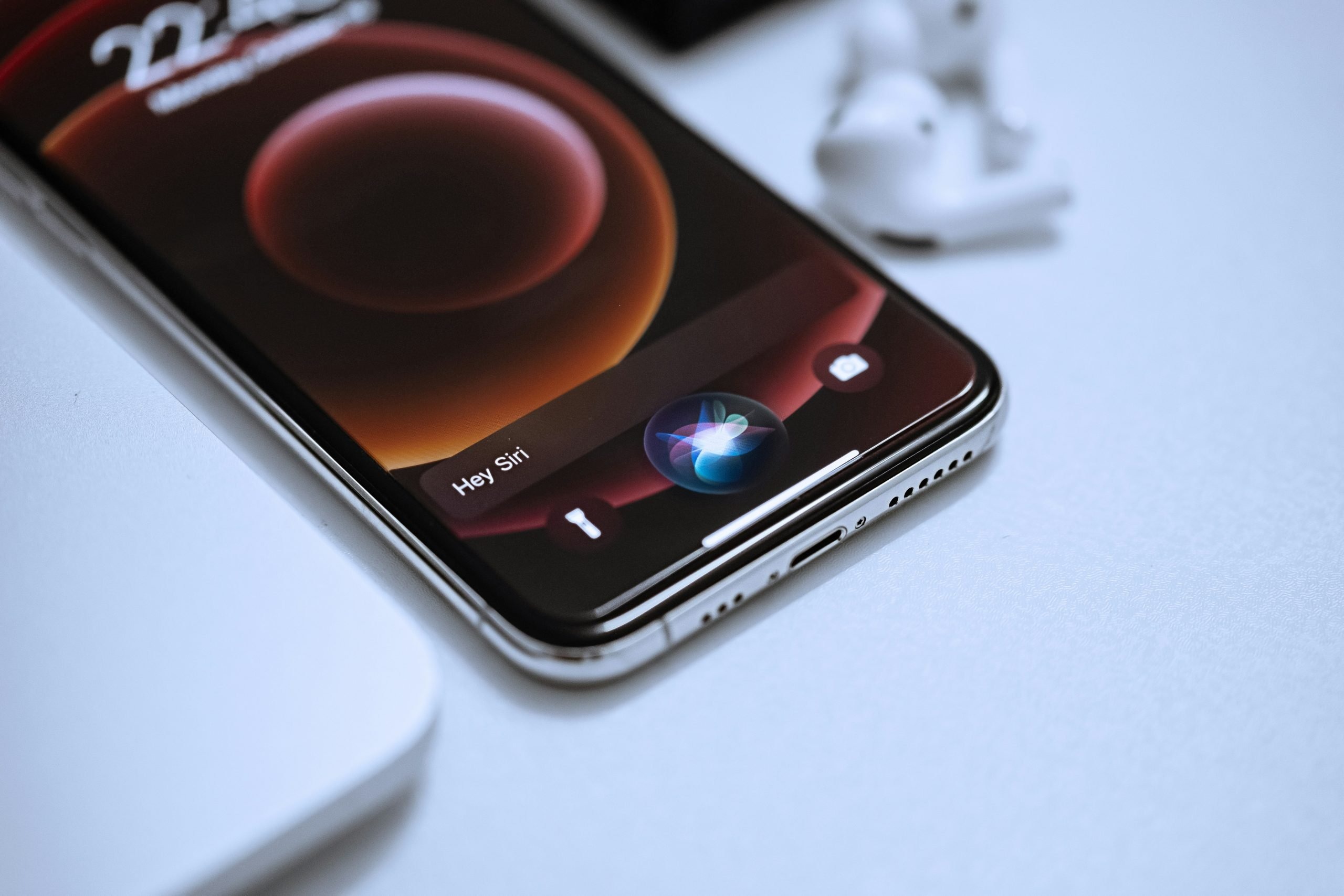
Apple has already delayed major Siri improvements until 2026 and appears to be weighing whether to stitch in third-party models from firms such as Anthropic or OpenAI while it builds its stack. Using external large language models would be a pragmatic but politically sensitive choice for a company that has long emphasized owning its own software and hardware approach. The Reuters and Bloomberg coverage of these deliberations underscores how Apple is juggling speed and control.
Apple’s public stance and internal shifts
Apple has continued to expand Apple Intelligence features and recently made a developer-focused device foundation model available for app makers, signalling it wants a broader ecosystem around its AI functionality. At the same time, senior executives have told staff the company must accelerate AI work and rework internal architecture to deliver more than a simple Siri upgrade. That message was reinforced in a recent company meeting where leadership framed AI as a priority.

Expert view
An industry analyst who asked not to be named said, I do not think this is irreparable, but it is a clear wake-up call for Apple. The challenge is cultural as much as technical. A former Apple engineer added, The slow pace and internal fragmentation are exact reasons researchers look for greener pastures where they can ship fast and see impact.
What to watch next
Apple’s path will likely involve a mix of in-house development and partnerships while it attempts to retain remaining talent through reorganization and incentives. For users, the practical question remains whether Siri will see a meaningful transformation on the timetable Apple has hinted at or whether the assistant will rely on third-party models for dramatic improvements. Investors and developers will watch hiring moves and any acquisitions closely as signs of renewed momentum.
Apple Intelligence is far from dead, but the company’s ability to deliver the breakthrough many expect now depends on fixing internal structures, stemming talent losses, and making trade-offs between control and speed. The next six to twelve months will be decisive.
Subscribe to my whatsapp channel

Comments are closed.