
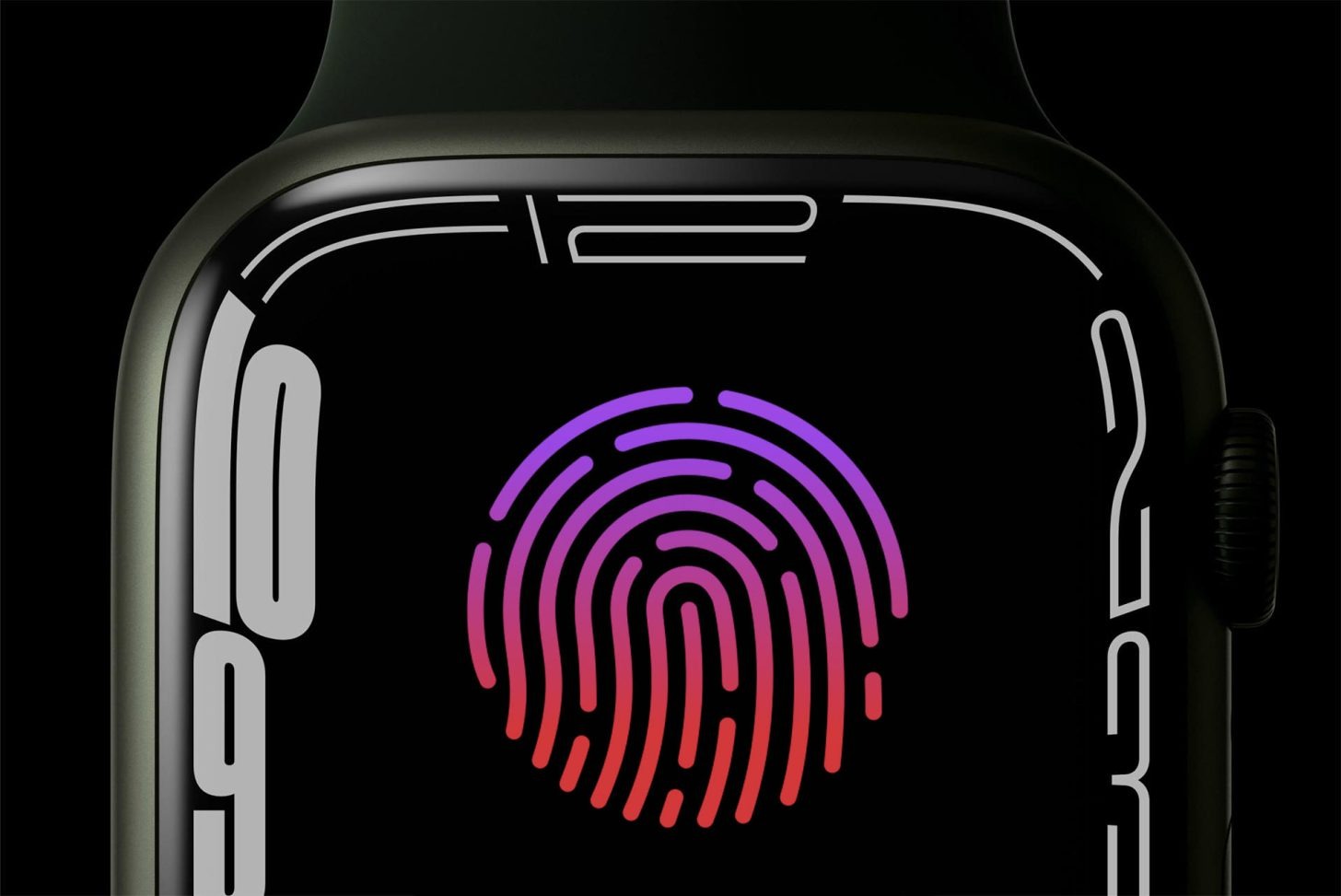
Apple Watch Touch ID and Sensor Upgrade Revealed
Apple Watch Touch ID: How a Code Leak Revealed Apple's 2026 Biometric Plan

For years, Apple has managed to keep its product development under wraps with an almost mythical level of secrecy. But sometimes, even the most guarded company in tech lets its digital guard down. This time, it happened through lines of internal code that have sent the tech world spinning with predictions about where wearable technology is headed next.
Hidden in Apple’s software, references to “AppleMesa,” the company’s long-standing internal codename for Touch ID, were discovered in connection with 2026 Apple Watch models. This isn’t just about adding another feature to our wrists; it’s about fundamentally rethinking how we interact with what may be our most personal device.
According to the code findings, which were first spotted by Macworld and confirmed by MacRumors, Apple is prototyping fingerprint authentication for its Watch lineup slated for release next year. The code references specifically point to models identified as N237 (Apple Watch Series 12), N238 (cellular version), and N240 (Apple Watch Ultra 4), all destined to contain not just Touch ID but an all-new CPU identified as T8320. This represents a significant departure from the incremental upgrades we’ve seen in recent years.
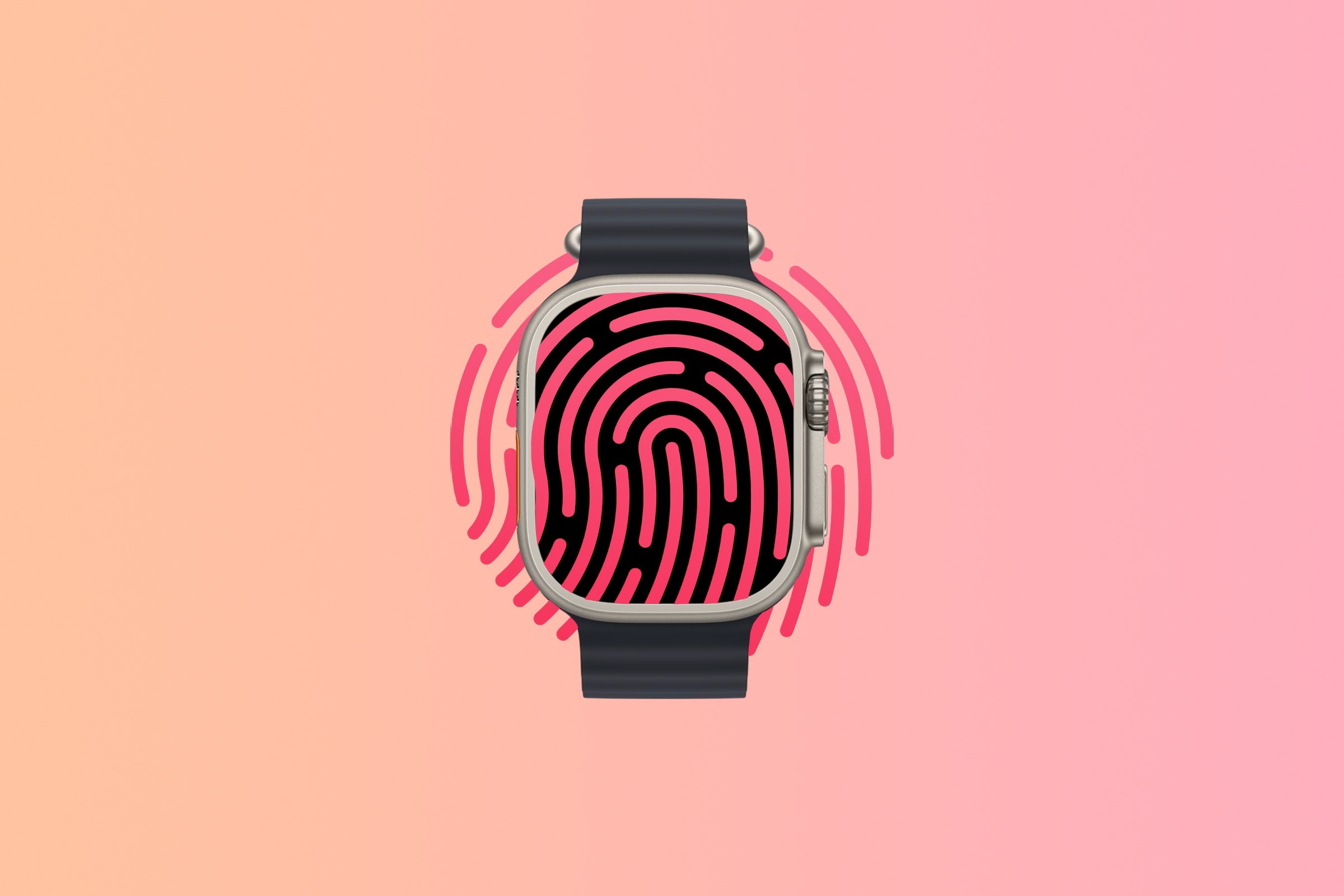
The How Question
Implementing a fingerprint sensor on such a compact device presents fascinating engineering challenges. Where would Apple place it? The under-display technology used in some Android smartphones represents one possibility, though this could present challenges with the Watch’s always-on display. Another approach would integrate Touch ID into the existing hardware, perhaps embedding it in the side button or Digital Crown.
Apple has previously filed patents discussing the addition of Touch ID to the side button of the Apple Watch, similar to the implementation on the iPad Air. This approach would maintain the device’s sleek aesthetic while adding functionality. As Malcolm Owen of AppleInsider notes, “Adding Touch ID in some capacity would certainly count as an exterior change to the design”.
More Than Just Unlocking
The potential benefits extend far beyond simply unlocking your device. Touch ID could significantly enhance the security of processes like Apple Pay authorization and app authentication. While the current double-click side button method works reasonably well, biometric authentication would provide an additional layer of security that’s both convenient and robust.
The leak aligns with other reports suggesting the 2026 Apple Watch will receive a “significant redesign”. DigiTimes reported last week that the high-end 2026 models will feature exterior design changes, including “eight sensors arranged in a ring pattern visible from the back”. The number of sensor components is expected to double, potentially revolutionizing the device’s health monitoring capabilities.
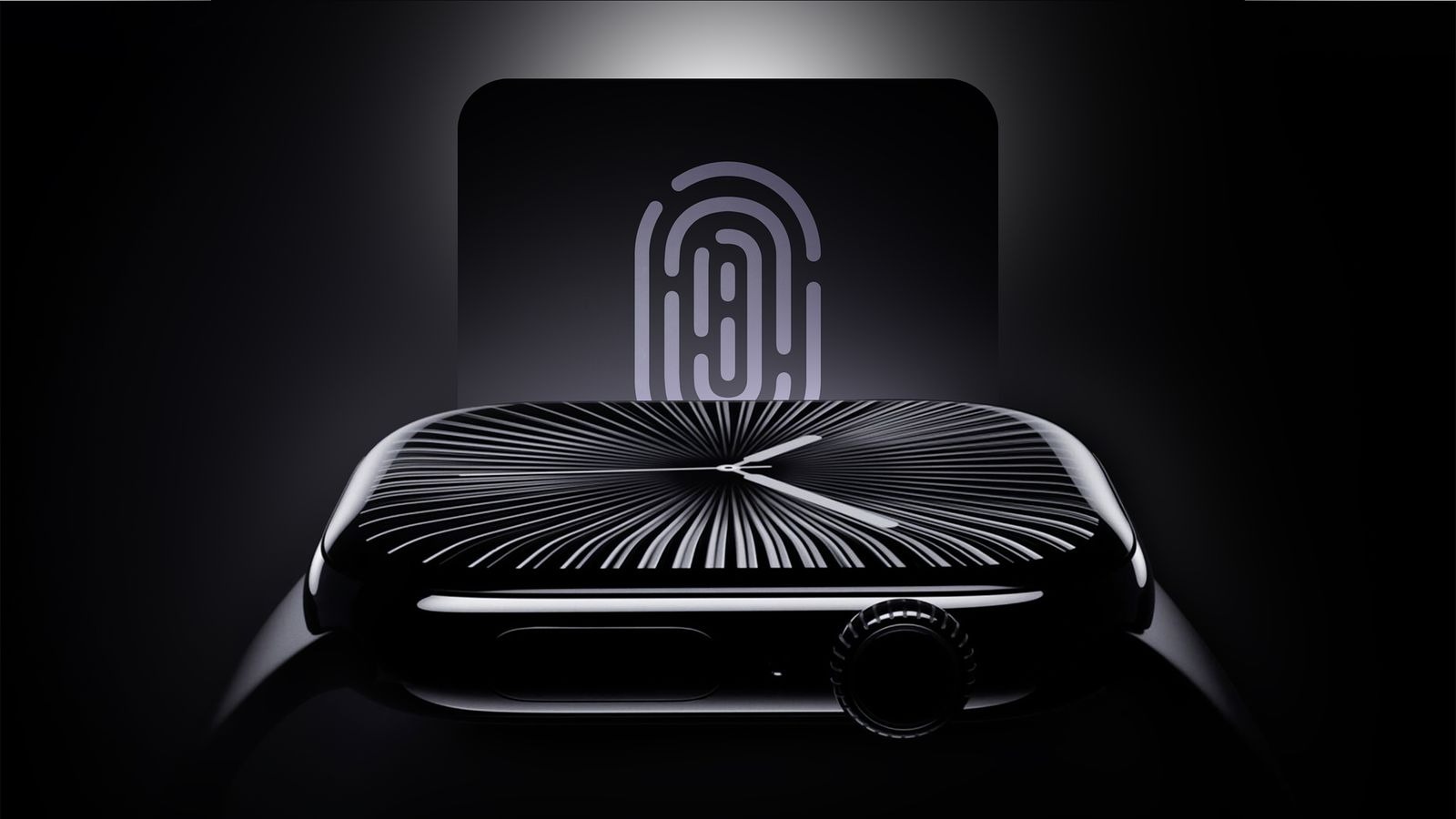
The Health Connection
This sensor expansion is particularly intriguing when considered alongside the Touch ID discovery. While some of these additional sensors will undoubtedly support the biometric authentication feature, others likely point to enhanced health monitoring functions. The Apple Watch has increasingly positioned itself as a health guardian, tracking everything from heart rhythms to blood oxygen levels (where recently redesigned software now processes data on the paired iPhone for U.S. models).
Doubling the sensors could open doors to new health capabilities we haven’t yet seen in consumer wearables. Continuous glucose monitoring, advanced sleep apnea detection, or even blood pressure tracking have all been rumored at various points as potential future directions for Apple’s health ambitions.
A Personal Perspective
As someone who’s worn an Apple Watch daily since the first generation, I’ve experienced the evolution firsthand. The current authentication method, either entering a passcode on that tiny screen or relying on the sometimes finicky automatic unlock when your iPhone is nearby, works but feels overdue for an upgrade. There’s something slightly anachronistic about tapping in a four-digit code on a device that can perform an ECG in 30 seconds.
Tech analyst Michael Reynolds observes, “Apple’s challenge has always been balancing security with convenience. With Touch ID on the Watch, they’re not just adding a feature, they’re potentially eliminating the last remaining friction point in wearable authentication.” This sentiment echoes across the tech community, where many see biometric authentication as the logical next step in the Watch’s evolution.
The Bigger Picture
These leaks arrive at an interesting time for Apple’s wearable division. While the Watch continues to dominate the smartwatch market, competition has intensified from traditional watchmakers incorporating smart features and other tech companies focusing on health monitoring. The addition of Touch ID and doubled sensors could represent Apple’s effort to maintain its significant lead in the category.
It’s worth remembering that these findings come from internal code references, which means Apple could still abandon or delay the feature. The company is known for prototyping multiple technologies that never see the light of day. But the specific model identifiers and chip details suggest this is more than mere experimentation.
If Apple does bring Touch ID to the Apple Watch, it would represent the most significant authentication change since the device’s introduction in 2015. It would complete Apple’s biometric ecosystem, with Face ID on iPhone, Touch ID on iPad and Mac, and now fingerprint authentication on WWatchch, each solution tailored to its device’s form and function.
The 2026 Apple Watch models appear poised to be what leakers are calling “Watch8,” internally, a significant departure from previous models that have all shared the “Watch7” identifier. This suggests we’re not just looking at incremental improvements but potentially a redesign substantial enough to warrant a new internal classification.
In the end, these code leaks give us a fascinating glimpse into Apple’s future thinking. They remind us that innovation often happens gradually, through years of experimentation and refinement. Whether Touch ID ultimately makes it to our wrists or not, one thing remains clear: the Apple Watch of 2026 will likely be far more capable, secure, and intelligent than anything we’ve seen before. And that’s something worth waiting for.
Subscribe to my whatsapp channel

Comments are closed.