
Apple Watch Users Regain Blood Oxygen Tracking With iPhone-Powered Solution
Apple Restores Watch Blood Oxygen Monitoring After Patent Workaround

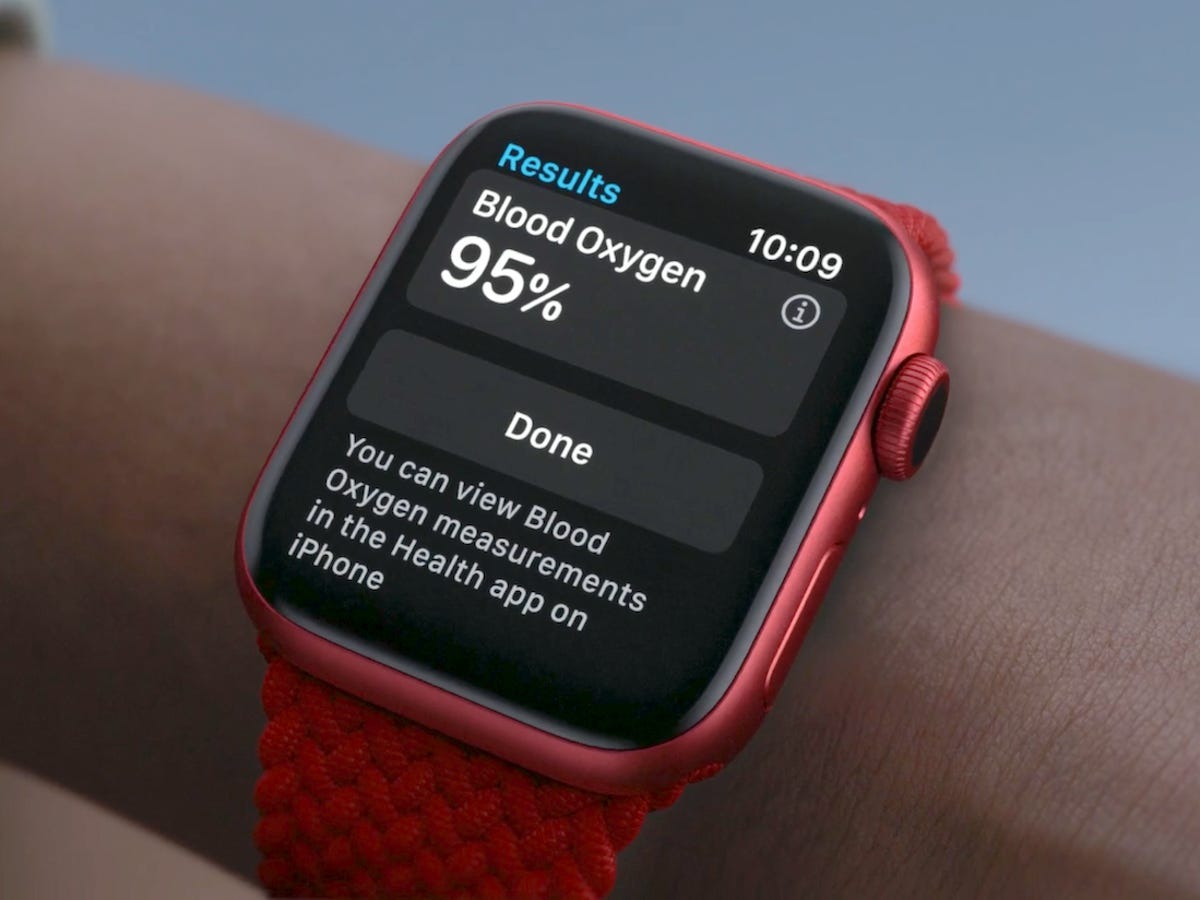
Apple has restored blood oxygen monitoring capabilities to select Apple Watch models in the United States through a software update, ending an 18-month feature absence caused by a high-stakes patent dispute with medical technology company Masimo. The redesigned functionality arrives via watchOS 11.6.1 and iOS 18.6.1 updates released Thursday, marking a significant resolution to a legal battle that reshaped smartwatch health features.
A Technical Workaround
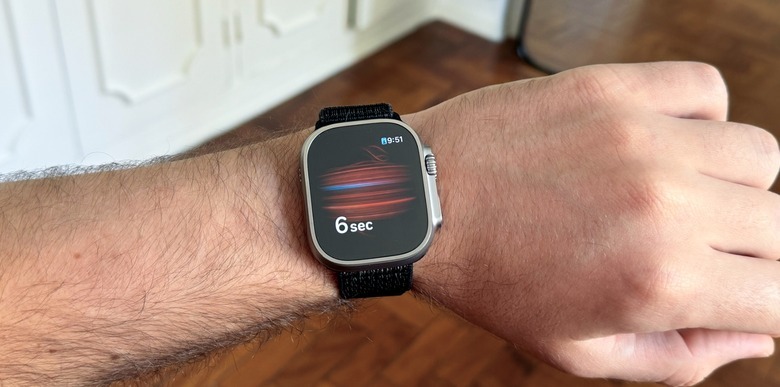
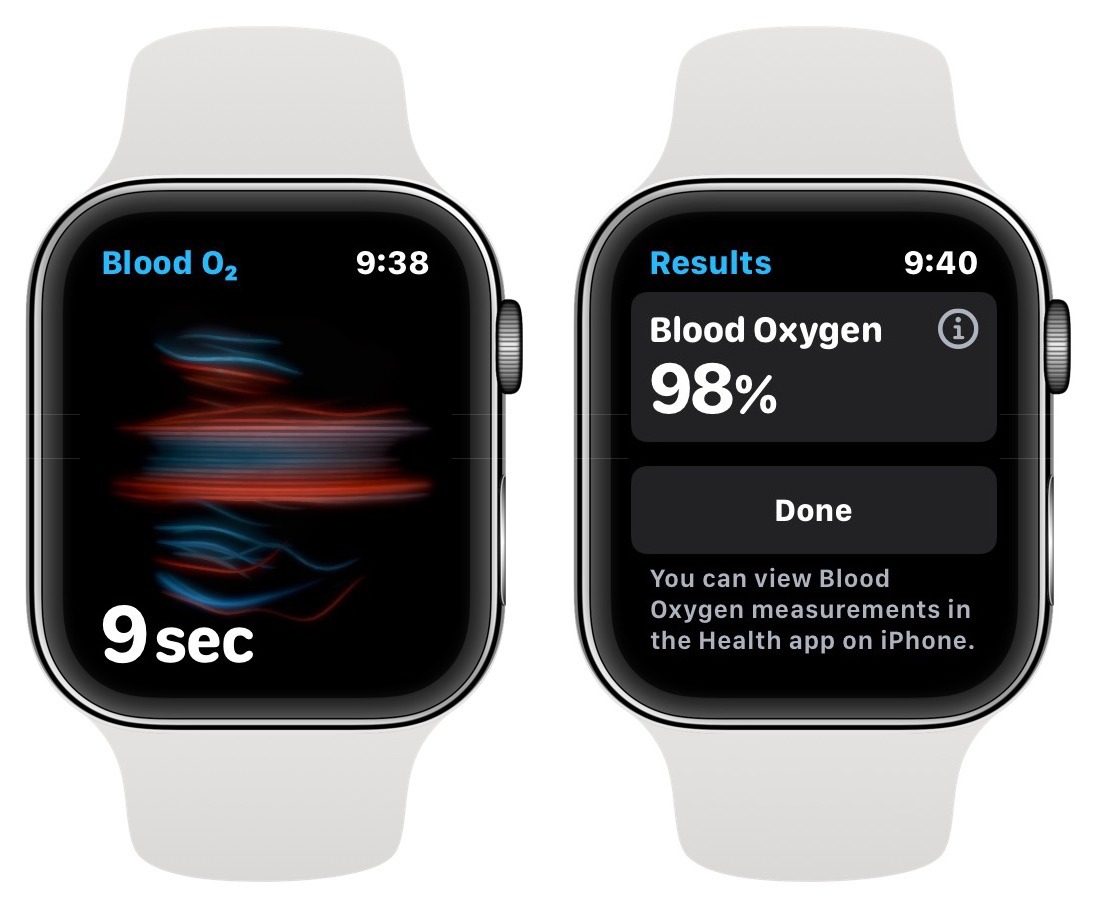
The revived blood oxygen feature operates differently from its predecessor. When users initiate a measurement through the Apple Watch app, sensor data is now transmitted to their paired iPhone for processing. Results appear exclusively in the Respiratory section of the Health app on iOS devices rather than directly on the watch itself. This architectural change, shifting calculations from watch to phone, proved critical in satisfying U.S. Customs and Border Protection officials that Apple had circumvented the patented technology owned by Masimo.
“This update was enabled by a recent U.S. Customs ruling,” Apple stated in its announcement, confirming the regulatory approval that permitted the feature’s return. The solution affects only Apple Watch Series 9, Series 10, and Ultra 2 models sold in the U.S. after January 18, 2024 – devices that originally shipped without blood oxygen capabilities. Watches purchased before that date or outside the U.S. retain the original on-device processing.
Patent Dispute Background
The restoration follows a protracted legal conflict originating in 2020 when Masimo accused Apple of infringing its light-based pulse oximetry patents. The U.S. International Trade Commission (ITC) ruled in Masimo’s favor in 2023, resulting in an import ban on Apple Watches containing the contested technology. Rather than halt sales entirely, Apple removed the blood oxygen feature from new U.S. models in January 2024 while pursuing legal appeals and engineering alternatives.
Medical technology analysts note the significance of the resolution. “Moving computation to the iPhone demonstrates how seriously Apple takes maintaining health functionality in its wearables,” commented Dr. Alicia Tan, a Stanford cardiologist specializing in remote patient monitoring. “While less convenient than on-watch results, restoring any form of blood oxygen tracking provides valuable respiratory trend data.”
Market Impact and Health Strategy
The feature removal had tangible business consequences. Industry analysts at S&P Global Market Intelligence estimated Apple Watch sales declined approximately 10% to $16.58 billion following the removal of the blood oxygen functionality. The restoration arrives strategically ahead of Apple’s anticipated September product launches, where new Apple Watch models typically debut.
Apple emphasized its commitment to health features in its statement: “Apple’s teams work tirelessly to create products and services that empower users with industry-leading health, wellness, and safety features that are grounded in science and have privacy at the core”. The company continues to position its wearables as comprehensive health platforms, offering irregular rhythm notifications, ECG capabilities, sleep apnea detection, fall detection, and medication tracking alongside the revived blood oxygen functionality.
While the core patent litigation between Apple and Masimo remains ongoing, Thursday’s software update delivers immediate functionality to impacted users. The resolution demonstrates Apple’s technical agility in navigating intellectual property challenges while preserving core health functionalities, albeit through a slightly less convenient user experience.
As wearable health technology advances, this case underscores the complex intersection of medical innovation, intellectual property law, and consumer expectations. Apple’s software-driven solution offers a template for resolving such disputes without hardware modifications, potentially influencing how future health feature conflicts are managed across the industry.
Subscribe to my whatsapp channel
