FDA Approves VIZZ Daily Eye Drops That Reduce Need for Reading Glasses
FDA Approves VIZZ for Presbyopia Relief

For millions of adults over 45, reading a restaurant menu or smartphone screen often means fumbling for reading glasses. That daily ritual may soon change. On July 31, 2025, the U.S. Food and Drug Administration (FDA) approved VIZZ™ (aceclidine ophthalmic solution) 1.44%, a revolutionary once-daily eye drop developed by LENZ Therapeutics to treat age-related blurry near vision, known medically as presbyopia. This condition affects approximately 128 million adults in the U.S. and stems from the eye’s natural lens losing flexibility over time, reducing its ability to focus on nearby objects.
How VIZZ Works
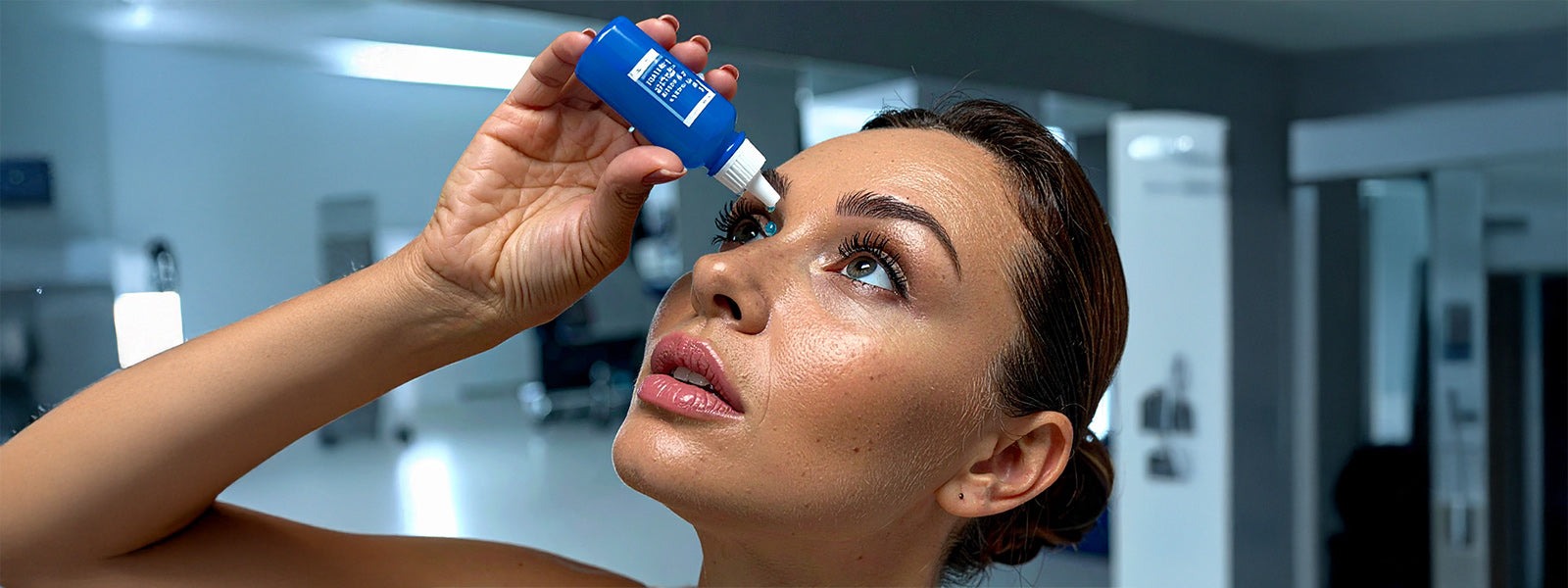
VIZZ employs a novel scientific approach centered on aceclidine, a pupil-selective miotic agent. Unlike earlier treatments like pilocarpine-based drops, which stimulate both the iris and ciliary muscle (potentially causing blurred distance vision or brow aches), aceclidine primarily targets the iris sphincter muscle 39. This action gently constricts the pupil to under 2mm, creating a “pinhole effect” similar to narrowing a camera aperture, which extends depth of focus and sharpens near vision without compromising distance clarity or inducing myopic shift. Patients administer one drop per eye, repeated after two minutes, with effects activating within 30 minutes and lasting up to 10 hours.
Clinical Validation and Safety
The FDA approval followed three Phase 3 trials (CLARITY 1, 2, and 3) involving 683 participants. In CLARITY 1 and 2, >70% of users gained ≥3 lines on a near-vision chart, sustaining improvement for 10 hours post-dose. Long-term safety evaluated in CLARITY 3 showed no serious treatment-related adverse events across >30,000 treatment days. Common side effects were mild and transient: eye irritation (20%), temporary dim vision (16%), and headache (13%) 26. Notably, VIZZ’s ciliary muscle-sparing mechanism minimizes risks like retinal detachment associated with older miotics, though pre-treatment retinal exams are advised for high-risk patients.
Why Optometrists Are Excited
“This approval disrupts the status quo for millions struggling with presbyopia,” says Dr. Marc Bloomenstein, a clinical investigator for VIZZ at Schwartz Laser Eye Center. “Its safety profile and duration could make it the new standard of care“. Unlike reading glasses or multifocal contacts, VIZZ offers a chemical-free, non-invasive solution that integrates seamlessly into morning routines. Dr. Jennifer Lyerly, an optometrist unaffiliated with the trials, notes, “Discussing options like VIZZ positions clinicians as innovators meeting evolving patient needs“.
Availability and Future Implications
LENZ Therapeutics expects samples at U.S. eye clinics by October 2025, with broad commercial availability by late Q4 2025. While pricing remains undisclosed, industry analysts project strong uptake given presbyopia’s prevalence. Licensing partnerships with firms like Théa aim to expand access to Canada and Europe, though Health Canada’s review timeline is unconfirmed. For the 1.8 billion global presbyopes, VIZZ represents more than convenience; it restores visual autonomy eroded by aging.
Subscribe to my whatsapp channel

Comments are closed.