
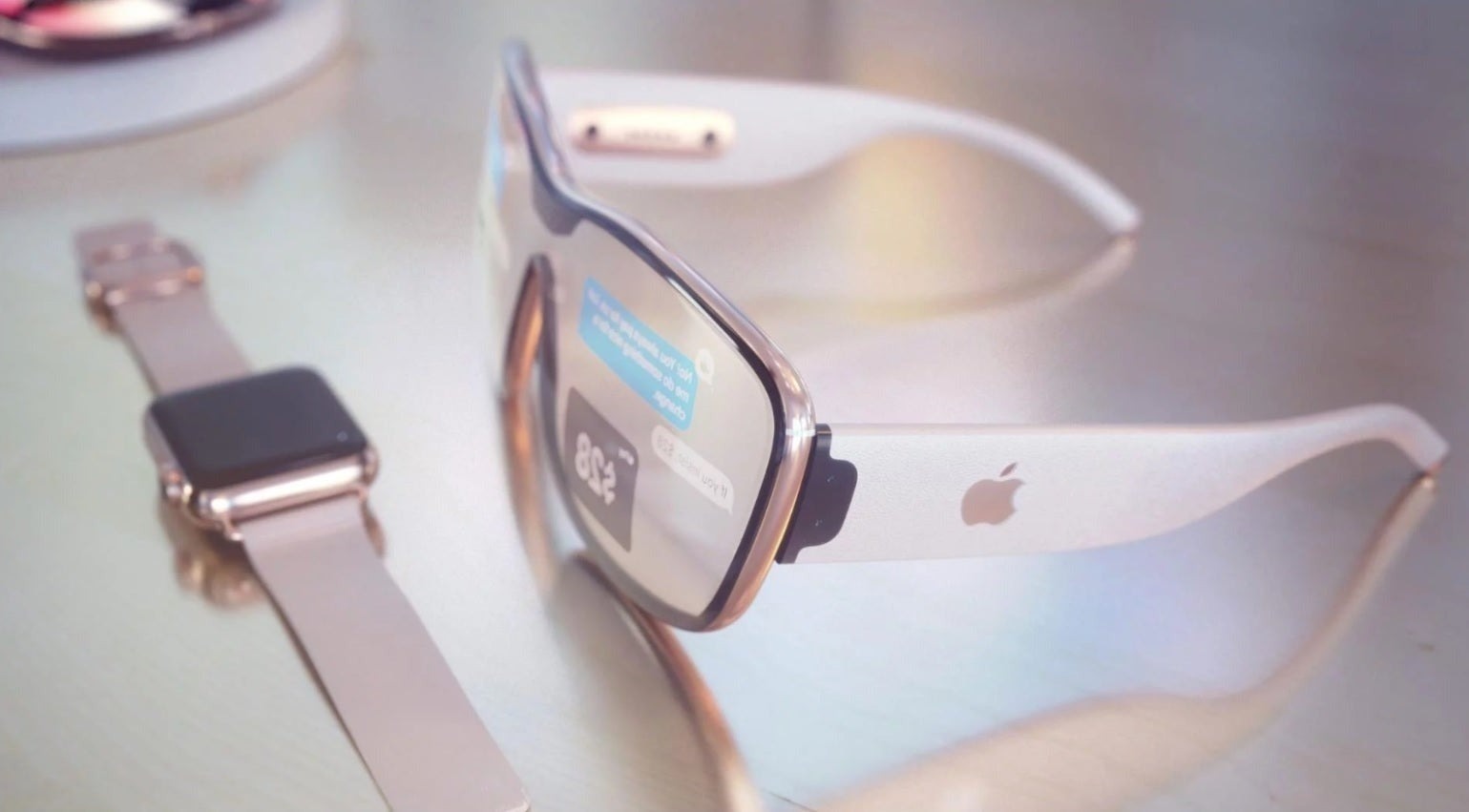

Apple is executing a calculated, multi-phase strategy to dominate the emerging extended reality (XR) market, targeting every segment from premium professionals to mainstream consumers. According to a comprehensive roadmap detailed by renowned analyst Ming-Chi Kuo, Apple will launch seven wearable devices between 2025 and 2028, including three headsets under its Vision line and four distinct smart glasses. This plan represents Apple’s most ambitious ecosystem expansion since the debut of the Apple Watch, aiming to transform spatial computing from a niche novelty into an accessible daily utility.
The 2025 Foundation: Vision Pro M5 Refresh
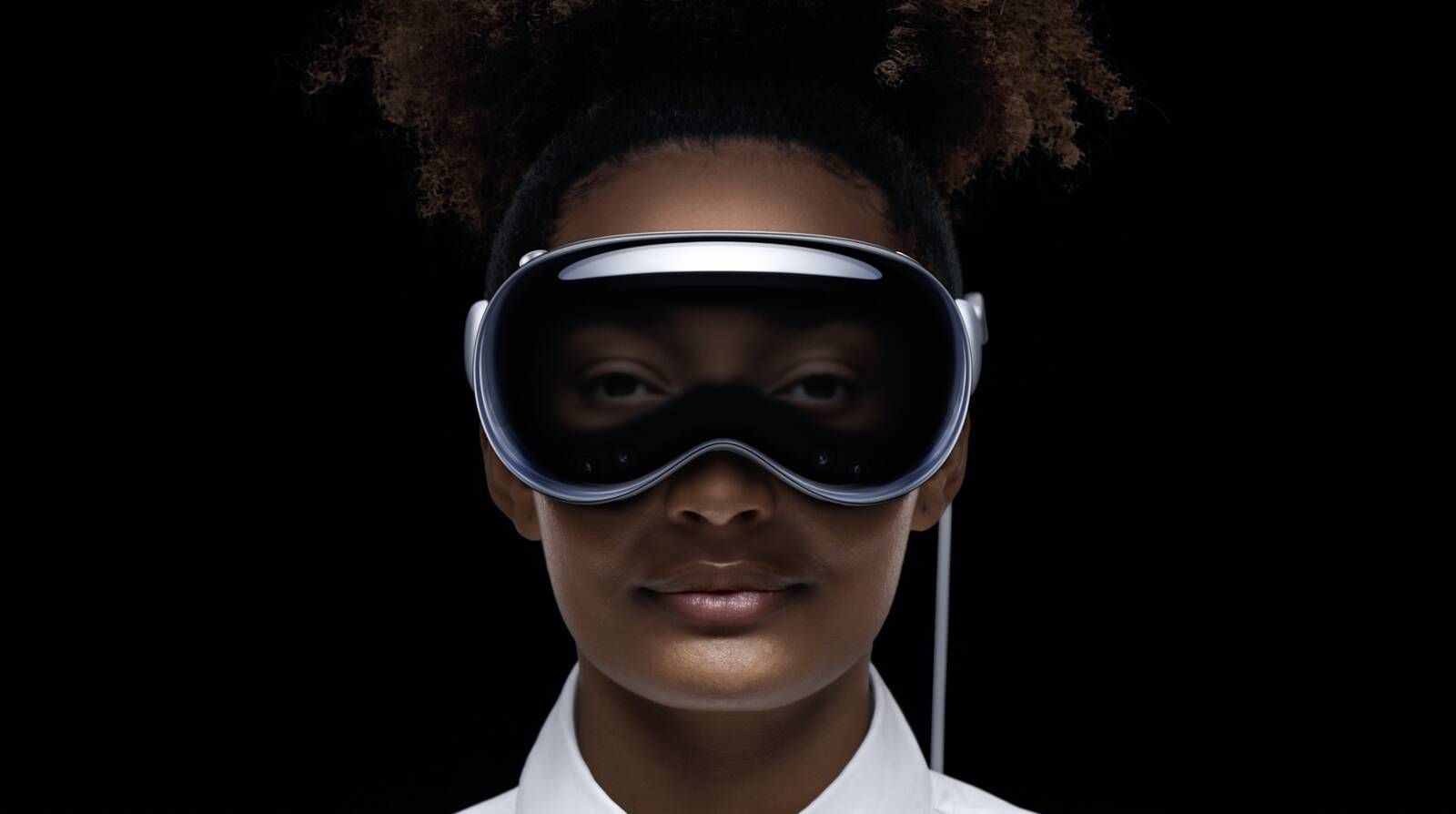
Kicking off this roadmap is an upgraded Apple Vision Pro, slated for mass production in Q3 2025. This iteration retains the first-generation headset’s design and core specifications but swaps the M2 chip for the newer M5 processor. Apple anticipates modest shipments of 150,000–200,000 units, signaling its continued positioning as a strategic rather than mass-market product. Analyst Ming-Chi Kuo notes this model serves to “maintain market presence, reduce component inventory, and refine XR applications” while developers and enterprises build the ecosystem. Industry experts suggest the M5’s enhanced power targets professional workflows, such as collaborative CAD engineering and medical simulations, where processing speed justifies the $3,499+ price point.
The 2027 Mainstream Push: Vision Air and Audio Glasses
Apple’s first major volume play arrives in 2027 with two simultaneous launches: the Vision Air headset and Ray-Ban-style smart glasses. The Vision Air, entering production in Q3 2027, represents Apple’s answer to criticisms of the Vision Pro’s weight and cost. It uses an iPhone-grade processor (likely the A21 Pro), replaces glass with plastic lenses, and incorporates magnesium alloys to slash weight by over 40% compared to the original Vision Pro’s 600–650 grams. Fewer onboard sensors and a simplified design will also reduce its price to an estimated $1,500–$2,000, targeting consumers seeking lightweight productivity and entertainment.
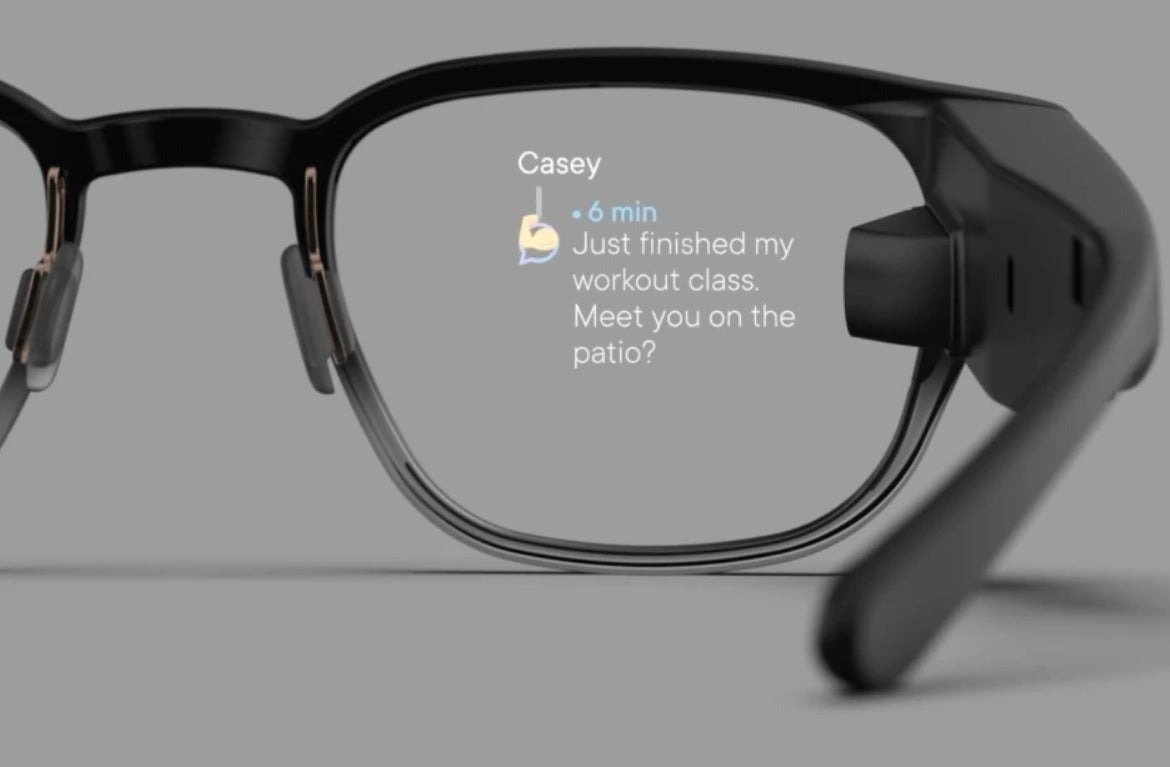
Concurrently, Apple’s audio-focused smart glasses (Q2 2027) will directly challenge Meta’s Ray-Ban collaboration. These glasses exclude displays but feature cameras, environmental sensors, gesture controls, and AI-powered audio functionality. Apple aims to ship 3–5 million units, potentially eclipsing Vision series sales by positioning them as replacements for AirPods and smartphone cameras in casual scenarios.
The 2028 Vision: Redesigned Vision Pro and True AR Glasses
The climax of Apple’s strategy lands in late 2028 with two flagship products. A fully redesigned Vision Pro 2 headset will debut a new form factor, Mac-grade M8-class silicon, further weight reductions, and a lower price. This model aims to merge the Pro’s high-end capabilities with the Air’s accessibility.
More significantly, Apple will launch its first true augmented reality glasses using Liquid Crystal on Silicon (LCoS) displays paired with waveguide optics. These glasses will support color visuals, voice commands, and gesture controls while leveraging AI as a core interface. Kuo emphasizes they represent Apple’s long-term bet to replace smartphones as primary computing devices.
Strategic Analysis: Why a Tiered Approach?
Apple’s phased rollout reveals a deliberate calibration of risk and market readiness. The 2025 Vision Pro refresh sustains developer engagement, while the 2027 products address mainstream barriers: weight, cost, and social acceptability. The 2028 AR glasses then serve as the ultimate “everyday” spatial computer. As tech analyst Gene Munster observes, “Apple is playing a 10-year game. They’re layering hardware iterations to build software maturity and user comfort before pushing the glasses paradigm.”
Challenges remain, however. AI integration critical for intuitive interactions is unproven at scale in Apple’s ecosystem, and competitors like Meta and Google are aggressively partnering with eyewear giants (e.g., EssilorLuxottica, Gentle Monster) to dominate fashion-first smart glasses.
The Bottom Line
Apple’s XR roadmap reflects a stark departure from its traditional “one flagship” product strategy. By flooding the market with tiered devices each addressing distinct use cases and budgets Apple aims to make spatial computing unavoidable. If successful, it could democratize AR/VR by 2030, transforming how we work, socialize, and perceive reality itself. As Kuo concludes, “Hardware capabilities and ecosystem integration give Apple an edge, but winning the AI software race will determine if this vision becomes mainstream”.
Subscribe to my whatsapp channel

Comments are closed.