
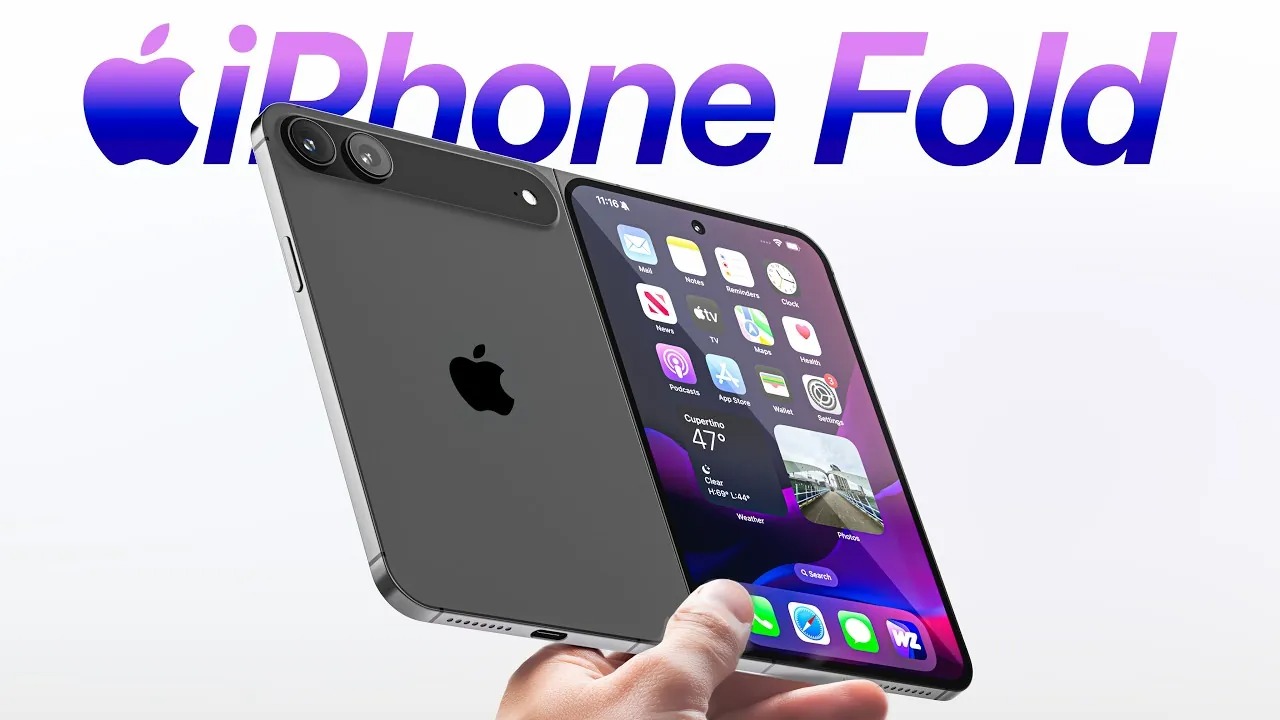
Apple iPhone Fold: Release Date, Price & Features Confirmed
Apple's Foldable iPhone: What to Expect in 2026

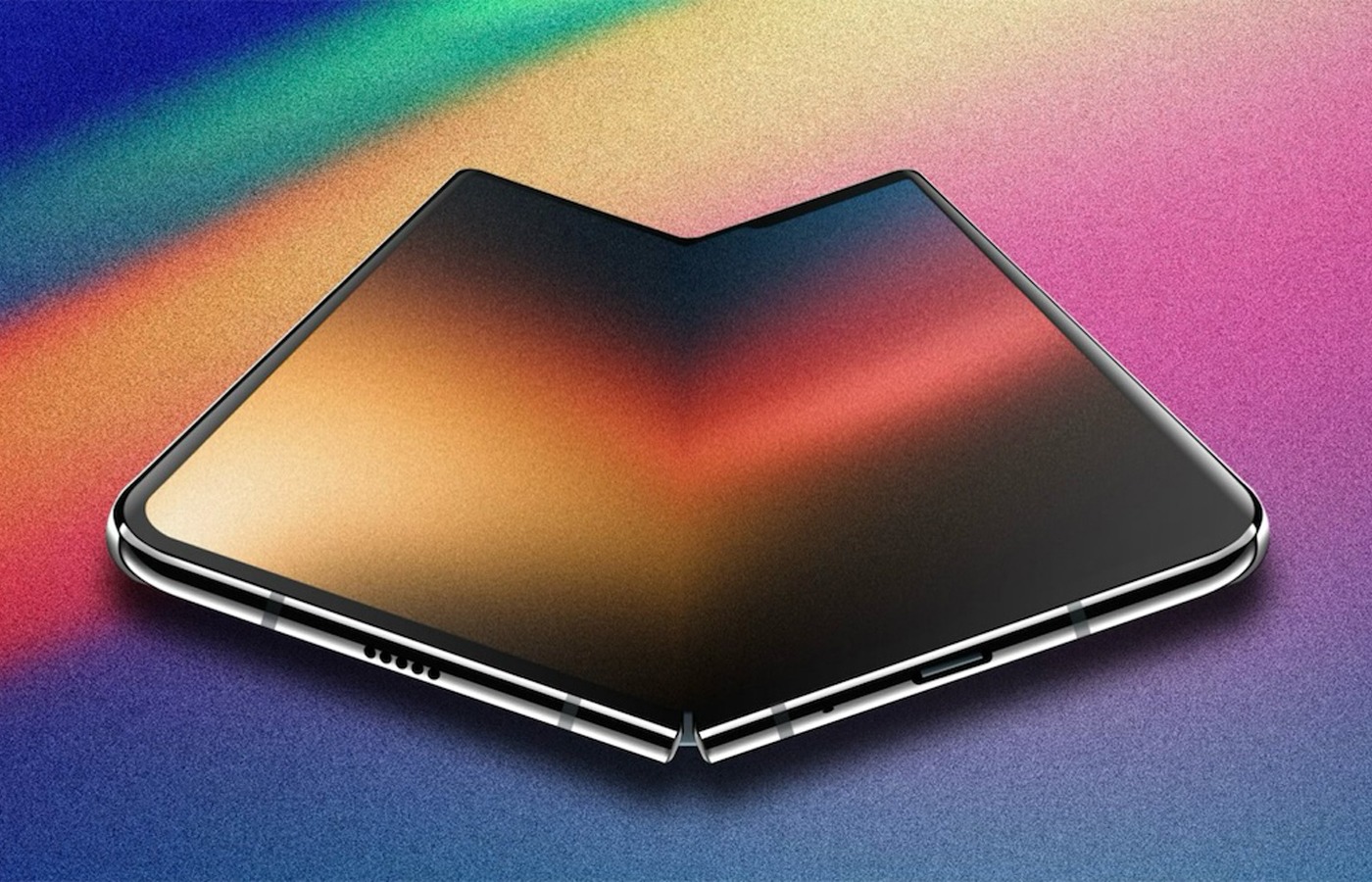
Apple’s long-anticipated entry into the foldable smartphone market is crystallizing, with multiple industry sources confirming a late 2026 launch for the iPhone Fold. According to Bloomberg’s Mark Gurman, the device will adopt a book-style design comparable to Samsung’s Galaxy Z Fold series, featuring a 7.8-inch primary foldable OLED display and a 5.5-inch outer screen dimension corroborated by supply chain analyst Ming-Chi Kuo and leaker Digital Chat Station. Crucially, Apple will leverage Samsung Display’s crease-minimizing technology rather than developing an in-house solution, signaling a strategic partnership between the rivals.
Engineering the Fold: Hinges, Materials, and Durability
The device’s hinge mechanism, a critical durability factor, reportedly uses a composite of titanium and amorphous liquid metal, engineered to distribute bending stress and resist the visible creasing that has plagued earlier foldables. Korean manufacturer Fine M-Tec will supply these components, with production scaling in Vietnam ahead of a planned Q1 2026 shipment window. When folded, the iPhone Fold is expected to measure 9–9.5mm thick, thinning to just 4.5–4.8mm when unfolded. This aligns with Apple’s focus on sleek proportions despite the mechanical complexity.
Software Integration: iOS 27 as a Foldable Catalyst
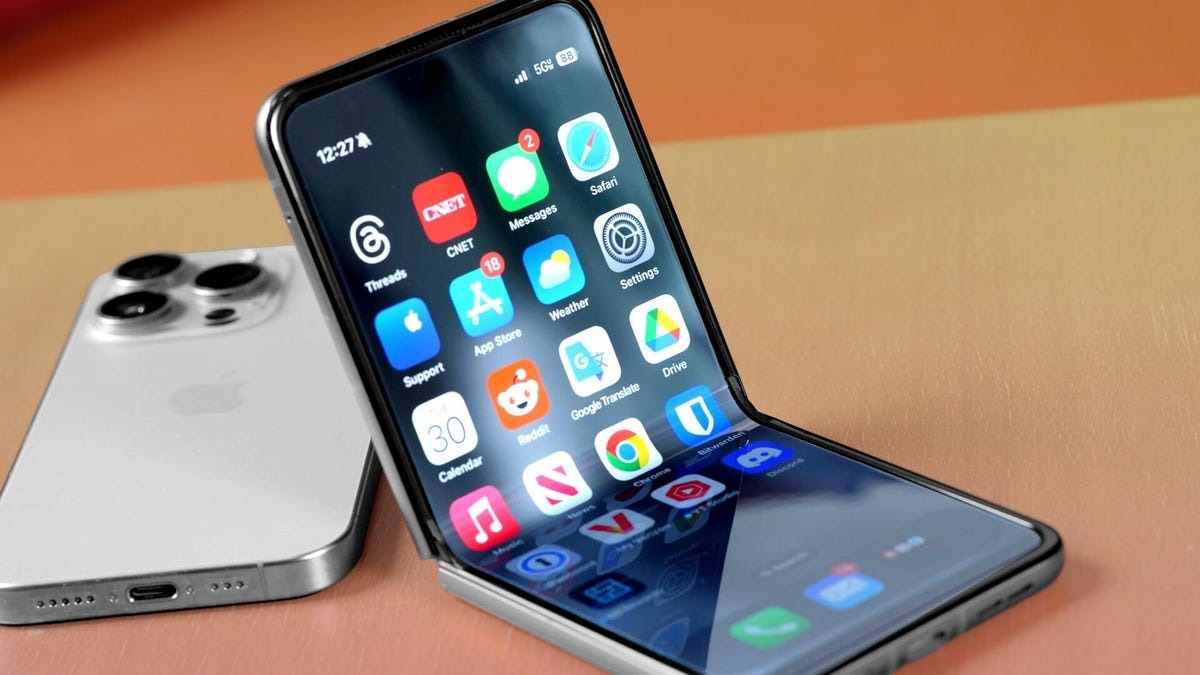
Unlike Android foldables, Apple’s device will debut alongside iOS 27, which includes deep optimizations for dual-screen interactions. Developers have already noted Apple’s iOS 26 SDK restrictions against letterboxing, ng a hint at underlying foldable adaptations. Gurman emphasized that Apple aims to refine, not reinvent, the foldable experience, with features like app continuity and Flex Mode-like multitasking expected. “Apple’s advantage lies in controlling both hardware and software,” said Emma Collins, a UX specialist at AppWorks. “They can ensure animations, splitscreen modes, and even third-party apps feel native from day one.”
Camera Strategy and Pricing
Camera specifications remain fluid, but prototypes suggest a dual 48MP rear system (wide + ultrawide or telephoto) and innovative front-facing solutions. The inner display may use an under-screen camera, while the cover screen could house a 12MP punch-hole lens. Analysts at UBS estimate a bill of materials near $750, leading to a retail price between $1,800–$2,000, positioning it as Apple’s most expensive iPhone yet, but undercutting earlier $2,500 forecasts.
Market Impact: Late but Positioned to Dominate
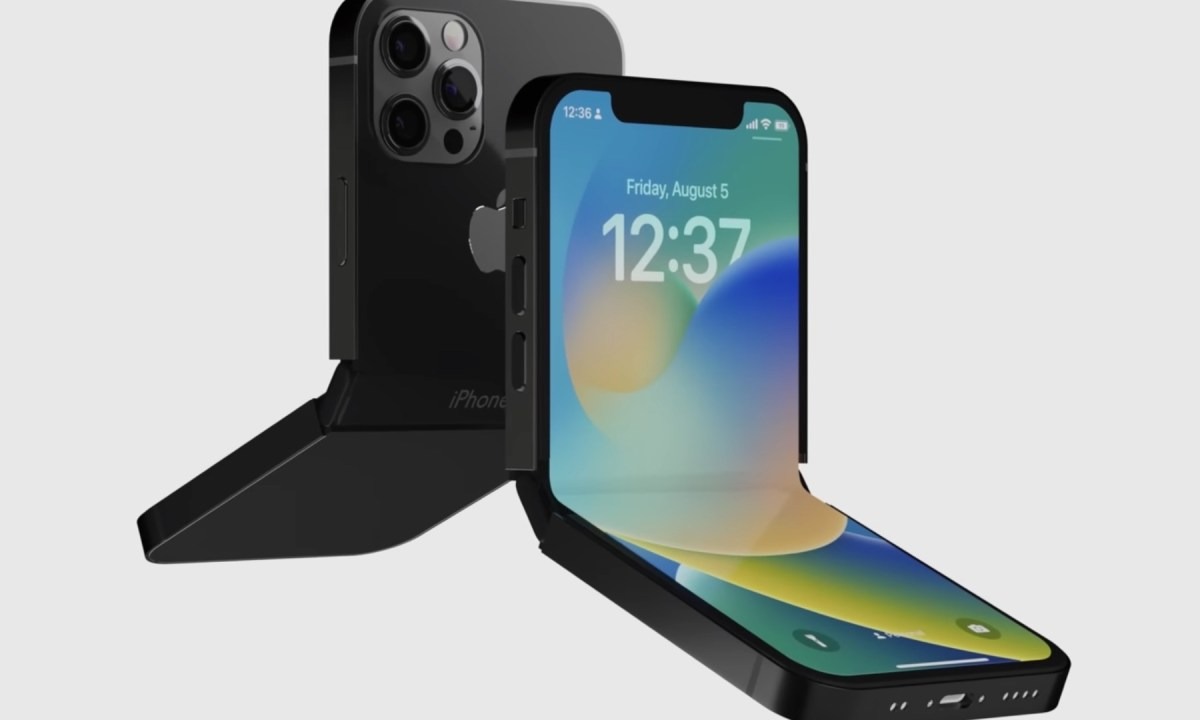
Despite arriving seven years after Samsung’s first foldable, Apple’s entry could reshape the niche foldable market. Current foldables comprise under 5% of global smartphone shipments, but Apple’s brand loyalty and ecosystem leverage offer unique advantages. “Samsung did the heavy lifting, now Apple will refine it,” remarked tech analyst Raj Patel. “Their crease-free target and titanium build could set new durability standards.” Production forecasts suggest 10–15 million initial units, with Foxconn handling assembly from late 2025.
For Apple, the iPhone Fold represents more than a new form factor; it’s a bid to reinvigorate premium smartphone demand, particularly in China, where foldables have gained traction. If successful, it could validate foldables as a mainstream category rather than a niche experiment.
Subscribe to my whatsapp channel
