
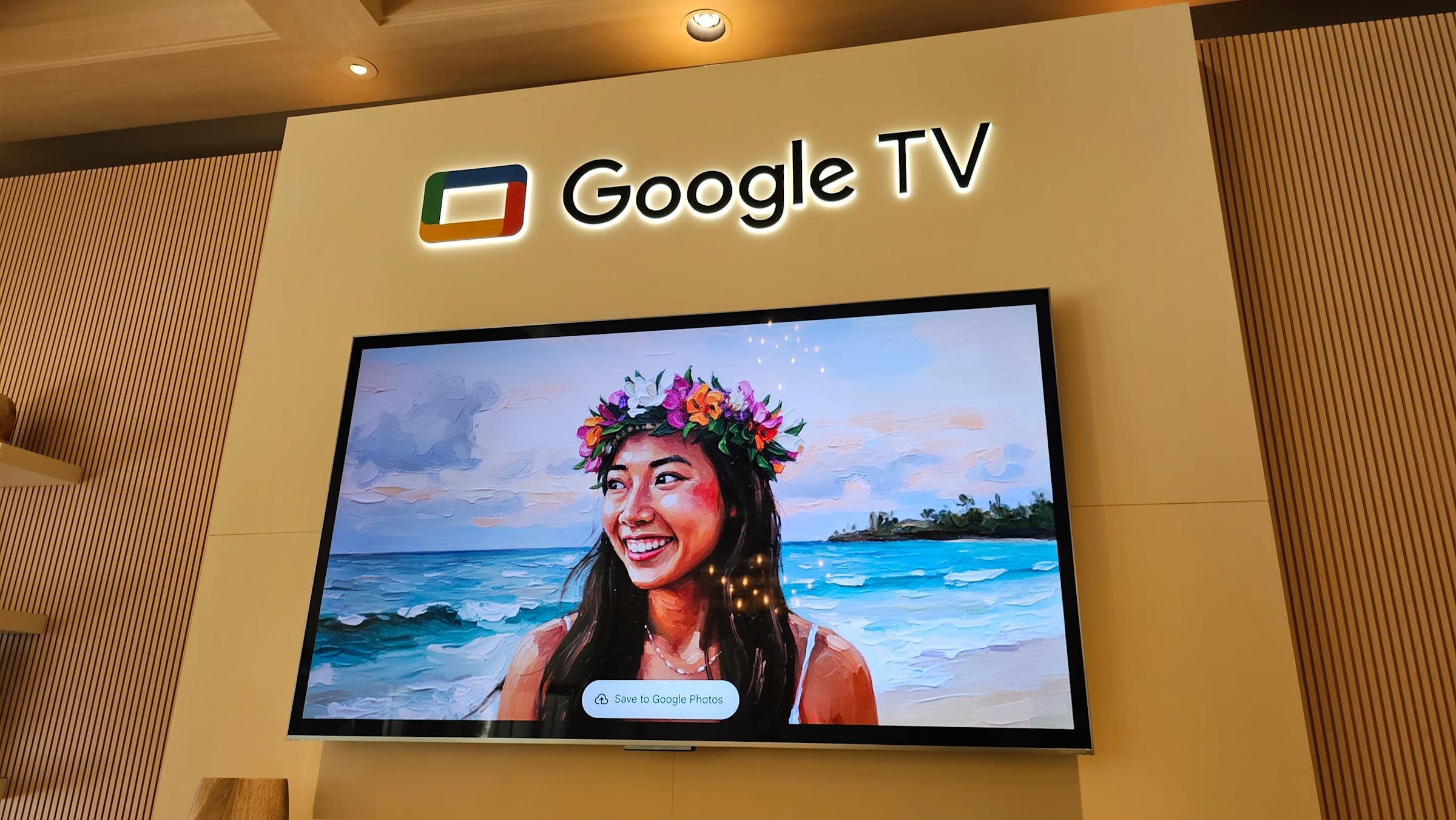

A fresh wave of smarts rolls into living rooms as Google weaves AI deeper into Google TV. Powered by Gemini, the update slips quietly into place through subtle shifts across the interface. Instead of big flashes, changes arrive in quiet upgrades – suggestions reshaped, menus adjusted, choices rethought. Behind each prompt sits a smarter engine, learning what shows get picked after work, which movies surface on weekends.
Navigation breathes differently now, guided less by clicks, more by patterns. Context shapes results, timing influences options. A search for “something funny” might lead to different places depending on the hour, who is holding the remote. Discovery feels lighter, almost accidental, though carefully shaped behind the scenes. Old habits bend toward new rhythms without force or fanfare.
A fresh batch of artificial intelligence features lands alongside a standalone stream just for YouTube Shorts, proof that the team means business about pushing bite sized clips onto larger displays. What stands out is how focused the move feels – no distractions, just bigger screens getting smarter with every scroll.
Right now, new creative features driven by Gemini sit at the heart of the upgrade. A tool named Nano Banana lets people change images just by speaking. On the surface, it sounds straightforward. Say something, get an edit. Whether these changes happen quickly or accurately remains uncertain once used outside tests. Still, this move hints at pushing televisions toward being responsive instead of silent background objects.
From prompts, folks make brief moving scenes using Veo, a tool built just for that. Output sharpness or clip duration? Not everything is clear yet. Into homes it creeps – Google’s latest nudge in video creation by trial and error. Quiet steps, but steady.
A smarter photo library
Now showing up on big screens, Google Photos gets a smarter way to dig through old pictures. Built-in help from Gemini lets people ask questions like they would in conversation. No more guessing keywords or endless swiping. This kind of searching? It’s been popping up elsewhere in Google’s tools lately. Spotting that one beach trip becomes less luck, more precision.
A tool named Remix allows applying creative looks to pictures. This shows Google mixing imaginative features into regular viewing habits. Whether folks will try it much on TVs rather than phones? That part stays unclear.
Shorts take the front seat
Right off the bat, a fresh “Short videos for you” area could catch your eye on Google TV’s main display. Instead of just regular shows, this spot mixes in YouTube Shorts without separating them. It sits right there, blending quick clips with what you already watch.
Now things look different. For years, television focused on full-length shows, yet Google seems convinced quick clips fit right in. This change lines up with what others do – holding attention matters more than sticking to one kind of content.
Maybe shorts on the main screen will shift how folks watch TV – short clips instead of full episodes. With time, flipping through videos might feel more natural than settling in. Sometimes attention spans prefer bursts. Who knows, browsing could become the new norm. After a while, waiting for apps may seem outdated. Quick glances start adding up.
Right now, there’s no word on when exactly it’ll arrive or which TVs will support it. Still, one thing stands out. Google aims to make the television seem less like a fixed display, instead weaving it into its wider web of artificial intelligence tools.
Only time will tell if folks truly crave such deep engagement with their television sets.
Subscribe to my whatsapp channel
