Who Will Lead Apple Next? The Top Contenders to Succeed Tim Cook
Apple's Next CEO: The Frontrunners Revealed

Apple faces intensifying scrutiny over its leadership future as CEO Tim Cook navigates investor concerns about the company’s innovation trajectory, particularly in artificial intelligence. Recent calls from research firm LightShed Partners for a “product-focused CEO” highlight Wall Street’s unease following a 16% stock slump in 2025, contrasting sharply with gains at Microsoft (19%) and Meta (25%). Though Cook retains strong board support, Jeff Williams’ unexpected July 2025 retirement as Chief Operating Officer has accelerated discussions about succession planning. Williams was long seen as Cook’s logical heir, and his departure leaves a visible void in Apple’s leadership bench.
Apple’s board, described by Bloomberg’s Mark Gurman as composed of “Cook loyalists,” maintains public confidence in his stewardship. Gurman notes, “No crisis is big enough to shake the board’s faith in Cook,” who has delivered a 1,400% stock surge since taking the helm in 2011. Internally, however, executives like services chief Eddy Cue have reportedly warned that Apple risks becoming “the next BlackBerry or Nokia” without faster adaptation, a sentiment amplifying the succession question.
The Frontrunners: Engineering, Software, and Marketing Veterans
Three internal executives have emerged as leading candidates, each embodying distinct facets of Apple’s culture:
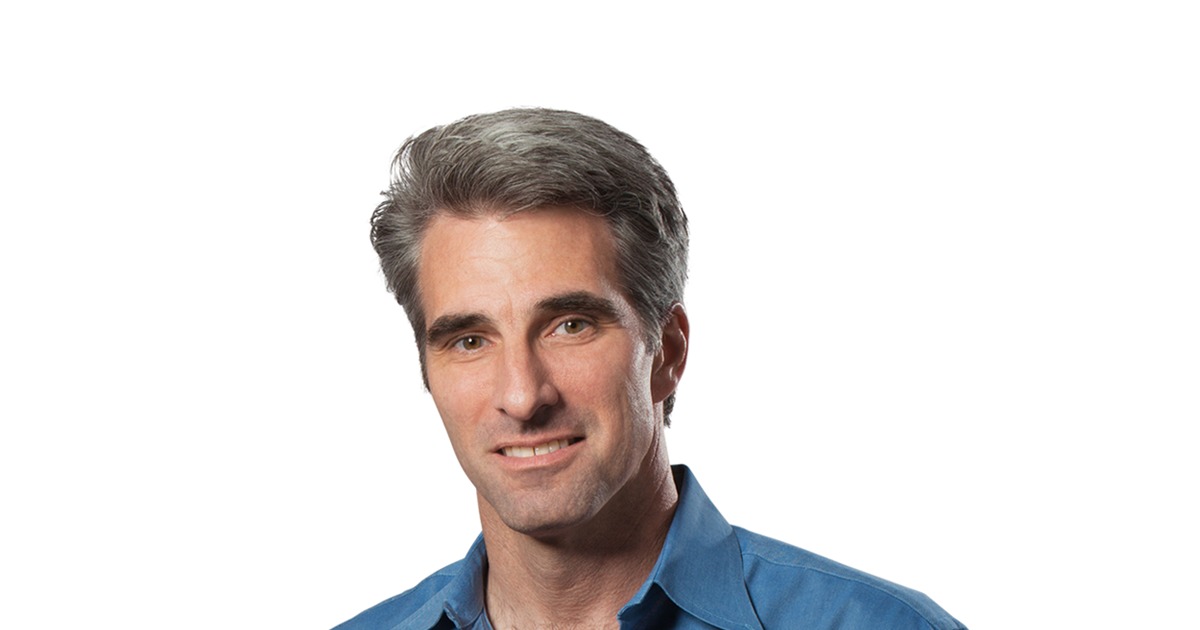
John Ternus (SVP, Hardware Engineering) now stands as the most frequently cited potential successor. A 24-year Apple veteran, Ternus oversees all hardware development, including iPhone, iPad, Mac, and AirPods, s—and played a pivotal role in Apple’s transition to custom silicon chips. His operational expertise and low-key collaborative style mirror Cook’s approach, making him a natural fit for maintaining Apple’s product ecosystem cohesion. Industry analysts note his deep involvement in core revenue drivers positions him as a stabilizing force.
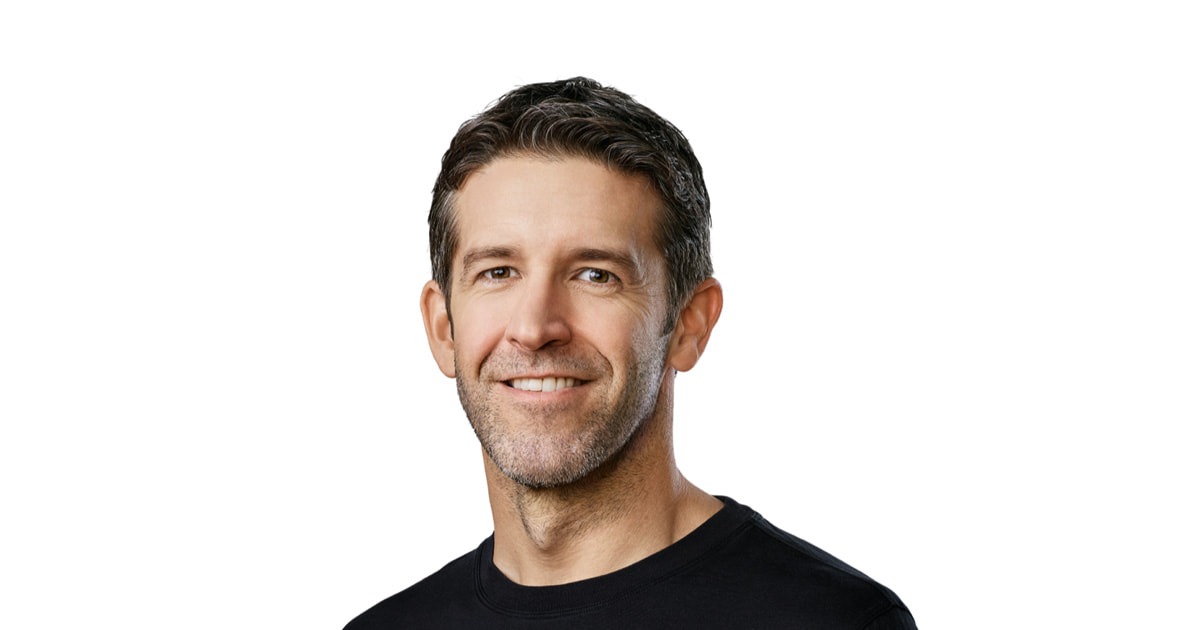
Craig Federighi (SVP, Software Engineering) brings charisma and technical depth. Responsible for iOS, macOS, and the recent Apple Intelligence AI suite, Federighi joined Apple in 2009 after stints at NeXT and Ariba. His popular developer keynotes showcase an ability to articulate complex technologies accessibly, a vital skill as AI reshapes user experiences. However, some critics link him to perceived software quality inconsistencies in recent years. “Federighi understands how software drives hardware sales, but his domain isn’t operations,” noted a Silicon Valley insider familiar with Apple’s structure.
Greg “Joz” Joswiak (SVP, Worldwide Marketing) offers unparalleled product lineage. Since joining Apple in 1986, he’s contributed to landmark launches including the iPod, iPhone, and recent services. As marketing chief, Joswiak bridges hardware, software, and commercial strategy, giving him perhaps the broadest institutional overview. His longevity and relationships with carriers and developers could prove vital in navigating regulatory and partner challenges.
Dark Horses and Operational Architects
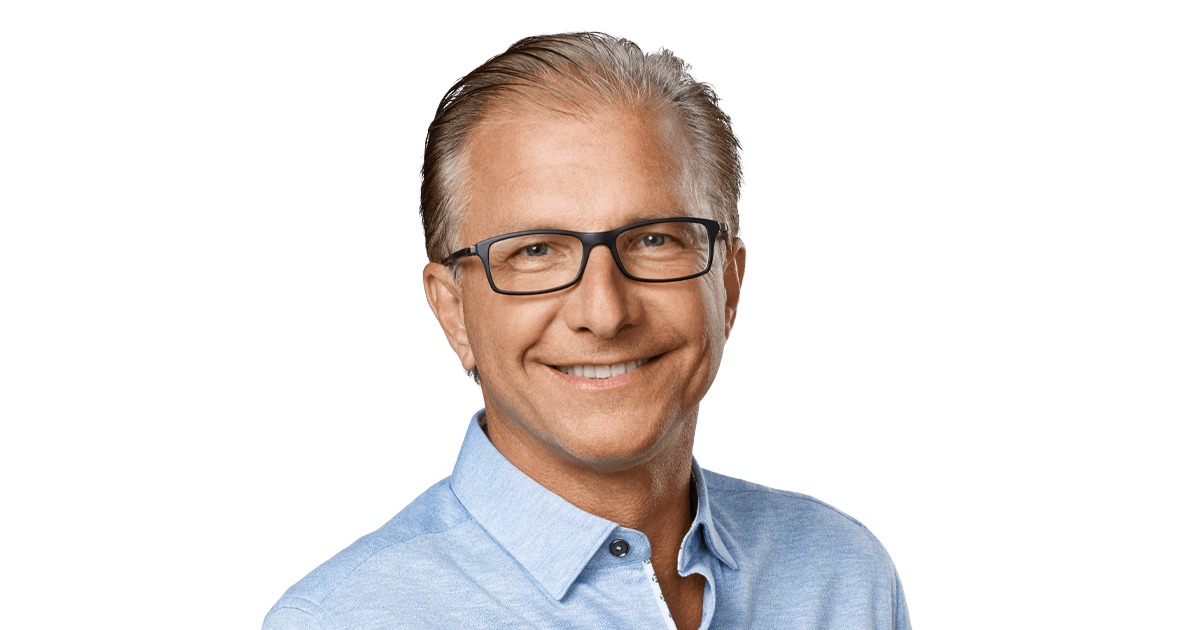
Beyond the trio, Sabih Kha, newly promoted to COO following Williams’ exit, commands attention. With Apple since 1995, Khan masterminded supply chain resilience during the pandemic and drives manufacturing sustainability initiatives. His operational genius is legendary internally; one anecdote describes him solving a production crisis during a midnight call with Cook in under three minutes. While less visible externally, his mastery of Apple’s global logistics engine is irreplaceable.
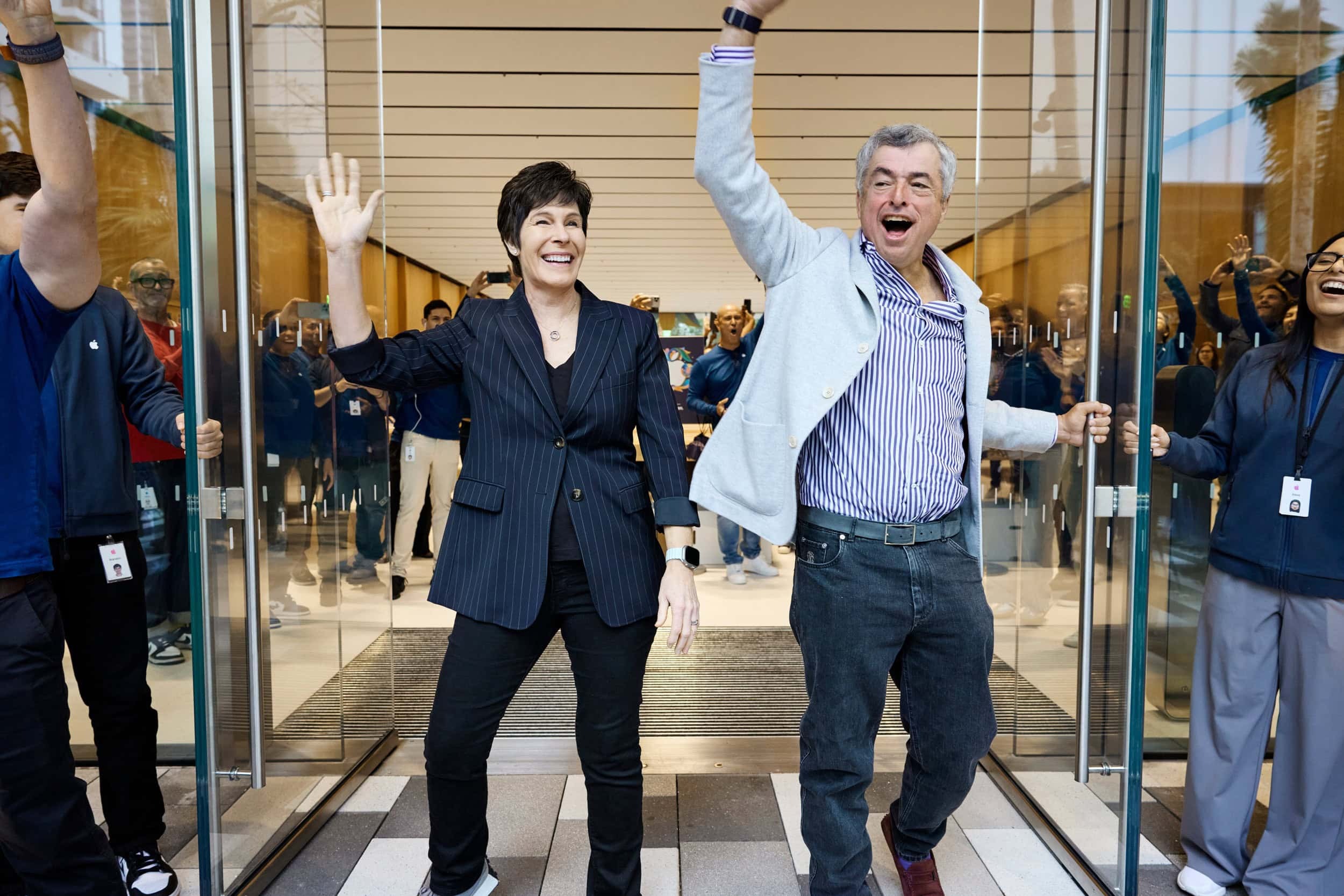
Eddy Cue (SVP, Services) and Deirdre O’Brien (SVP, Retail + People) remain influential but face narrower portfolios. Cue’s services unit, including Apple Music and App Store, generates soaring revenue but faces regulatory storms. O’Brien’s dual role managing retail and HR is internally respected but lacks direct product-creation experience.
Why Internal Experience Matters Most
Apple’s scale and integrated business model, where hardware, software, services, and retail intersect, demands leaders steeped in its unique culture. As Gene Munster, managing partner at Deepwater Asset Management, observed: “An external hire would need two years just to comprehend Apple’s operational rhythms. The board knows continuity is non-negotiable.” Cook himself rose through operations, proving that deep internal immersion is Apple’s preferred path.
Though Cook shows no signs of imminent departure, Gurman notes there’s “no immediate successor ready”—Williams’ exit forces the board to crystallize its plans. Whether Ternus’s hardware mastery, Federighi’s technical vision, or Joswiak’s commercial acumen ultimately prevails, Apple’s next CEO must reignite its innovation engine while steering a $3 trillion enterprise through an AI-defined era. The succession, when it comes, will test whether Apple’s legendary operational excellence can still birth transformative products.
Subscribe to my whatsapp channel

Comments are closed.