


It sounds like something straight out of a science fiction novel: an astronaut millions of miles from Earth develops concerning symptoms, with no doctor on board and communications to Mission Control delayed by twenty minutes. Yet this scenario is exactly what NASA is preparing for as it plans longer missions to the Moon and Mars, and its solution might revolutionize medical care in remote locations on Earth, too.
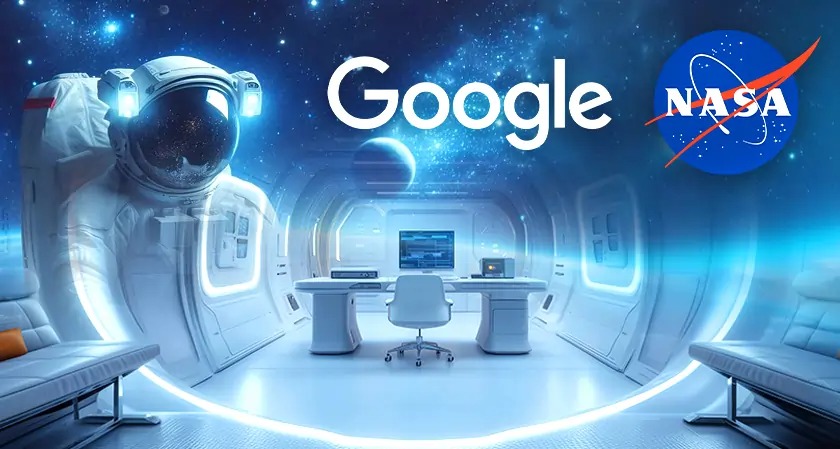
In a groundbreaking collaboration, NASA and Google are testing an AI-powered medical assistant that could autonomously diagnose and treat health issues when astronauts are beyond the reach of earthly medical support. This Crew Medical Officer Digital Assistant (CMO-DA) represents one of the most practical applications of artificial intelligence in extreme environments yet developed.
The challenge is unlike any NASA has faced before. On the International Space Station, astronauts have real-time support from medical teams on Earth and can return quickly in emergencies. But missions to Mars change everything. With communication delays stretching to twenty minutes each way and evacuation potentially taking months, crew members must handle medical crises independently. Current astronaut medical training, while thorough, has limits, especially when facing complex or multiple symptoms.
Enter Google’s AI expertise. The CMO-DA system uses cutting-edge natural language processing and machine learning techniques, trained extensively on spaceflight medical literature. The multimodal interface allows astronauts to input symptoms via speech, text, or even images, with the system providing real-time analyses and treatment recommendations. It’s designed to support rather than replace human judgment, empowering the crew’s designated medical officer with data-driven insights.
Early trials have been promising. When tested using the Objective Structured Clinical Examination framework, the same tool used to evaluate medical students, the system demonstrated notable diagnostic accuracy. In one simulated scenario involving an ankle injury, it achieved 88% accuracy in diagnosis. These initial results suggest the system could reliably handle various medical issues, from routine concerns to potentially serious emergencies.
Dr. Erica Ramos, a space medicine specialist not directly involved with the project, sees transformative potential: “This isn’t just about treating ankle sprains in zero gravity, but it’s about creating a safety net that allows humans to venture further into space than we’ve ever gone before. The technology could ultimately become as essential as the spacesuit itself”.
What makes the project particularly innovative is its approach to validation. Unlike many AI tools trained on general medical data, CMO-DA specifically incorporates spaceflight physiology and the unique ways microgravity and radiation affect human health. This specialized training ensures its recommendations remain relevant to the unusual medical presentations possible in space.
The implications extend far beyond spaceflight. The same technology could eventually deliver quality medical expertise to remote villages, disaster zones, and expeditions here on Earth, anywhere access to doctors is limited. It represents another example of how space exploration drives innovation with practical terrestrial benefits.
As NASA prepares for its Artemis moon missions and looks toward Mars, solutions like CMO-DA will become increasingly critical components of mission planning. The project highlights a growing recognition that human health support systems need to advance just as dramatically as rocket technology if we’re truly to become a spacefaring species.
With continued refinement and testing involving medical professionals, the AI assistant might soon become a standard piece of equipment on every deep space mission, a silent medical crewmember that never sleeps and is always on call when Earth isn’t on the other end of the radio.
Subscribe to my whatsapp channel

Comments are closed.