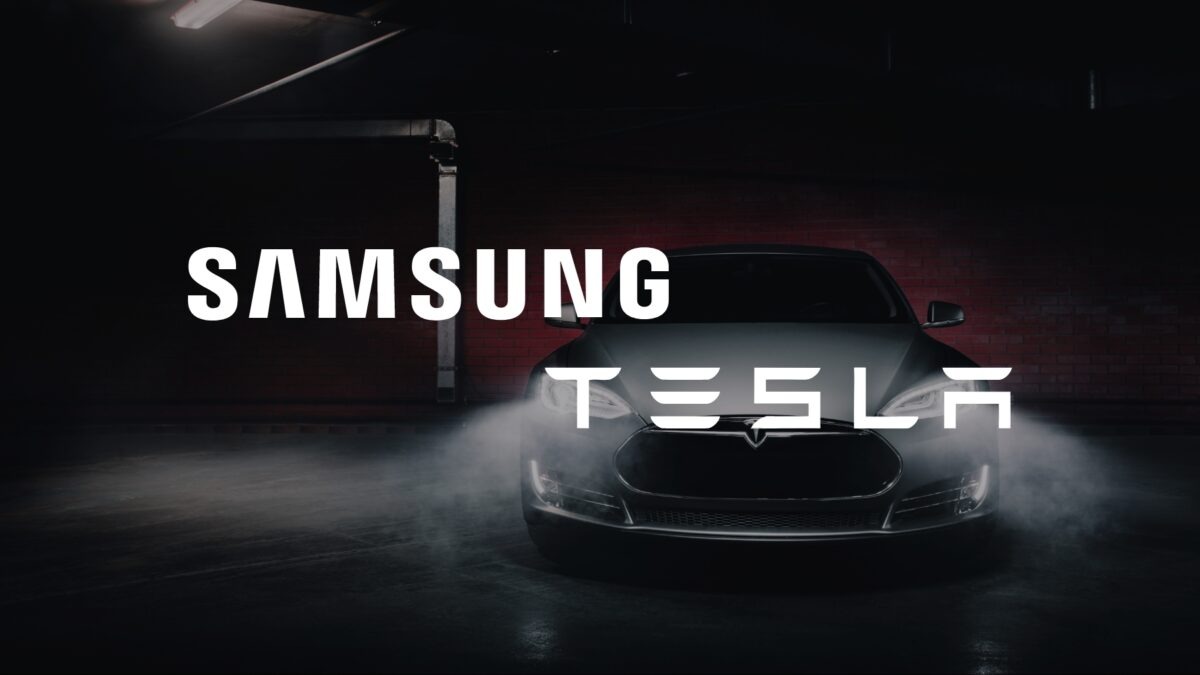

SEOUL/TAYLOR, TEXAS — In a landmark deal that could reshape the semiconductor and electric vehicle landscapes, Tesla CEO Elon Musk confirmed today that the automaker has signed a $16.5 billion agreement with Samsung Electronics to produce its next-generation AI6 chips. The partnership will anchor production at Samsung’s delayed Texas factory and inject critical momentum into the Korean giant’s struggling foundry business.
Samsung shares surged nearly 7% following Musk’s announcement on X, reflecting investor optimism that the deal could reverse the company’s declining fortunes in advanced chip manufacturing. The tech giant currently holds just 7.7% of the global foundry market, dwarfed by Taiwan’s TSMC at 67.6, and has faced over $3.6 billion in losses in its foundry division this year alone.
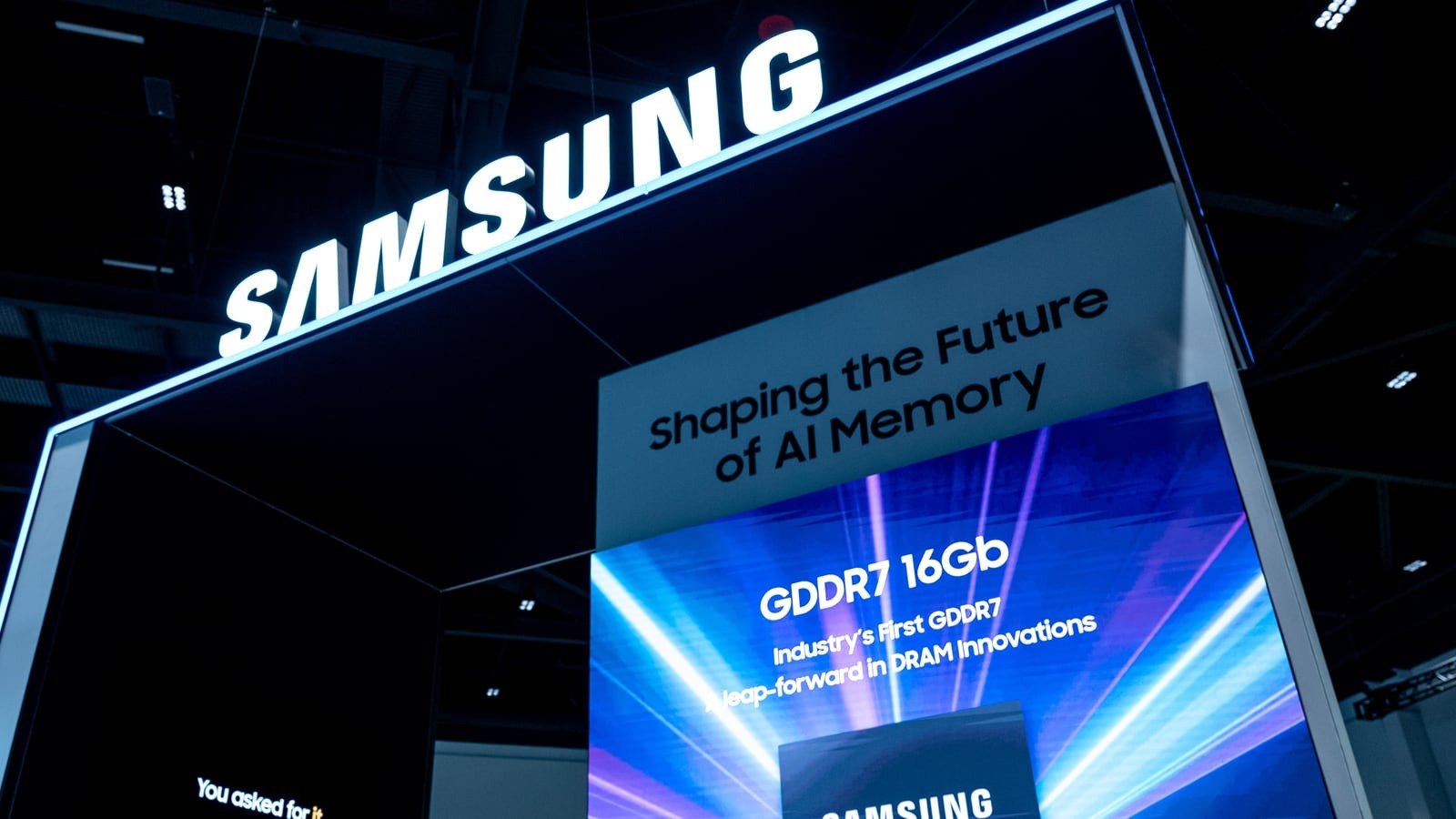
Reviving the Texas Dream
The agreement breathes new life into Samsung’s $44 billion Taylor, Texas, fabrication plant, whose completion was postponed from 2024 to 2026 due to a glaring lack of customers. As recently as March, industry sources revealed Samsung had halted equipment installation because “there are no customers” and the original planned 4nm chip technology no longer aligned with market needs.
Musk personally intervened to accelerate progress, announcing he would “walk the line” at the Texas facility to optimize manufacturing. Samsung agreed to allow Tesla to assist in maximizing efficiency. This is critical, and the fab is conveniently located not far from my house,” Musk posted. He emphasized the $16.5 billion figure is “just the bare minimum,” with actual output likely “several times higher” through 2033.
Strategic Lifeline for Samsung
For Samsung, the deal arrives amid mounting pressure in the AI chip race. While its mobile division posted record Q1 revenue driven by Galaxy AI smartphones, its semiconductor unit saw operating profit plummet 42% year-over-year. Competitors like SK Hynix have surged ahead in high-bandwidth memory (HBM) chips essential for AI servers, even overtaking Samsung in DRAM market share.
“Their foundry business has been loss-making and struggling with under-utilization, so this will help a lot,” said Vey-Sern Ling, managing director at Union Bancaire Privée. “Tesla’s business may also help Samsung attract other customers” 4. Analysts note the Texas plant’s upgrade to 2nm production, critical for competing with TSMC and Intel, now has a flagship customer to justify its costly retooling.
Tesla’s Hardware Roadmap
The AI6 chips will succeed Samsung’s current AI4 chip, powering Tesla’s Full Self-Driving system and TSMC’s yet-to-launch AI5 chips. While Musk previously targeted late 2026 for AI5 production, analysts project AI6 may not arrive until 2027–2028, noting Tesla’s “history of missing targets”.
The partnership underscores Tesla’s urgency to control its hardware destiny. Musk recently warned of “a few rough quarters” until autonomous vehicles scale, pegging late 2026 for the technology’s maturation. On-device AI chips like the AI6 are foundational to this ambition, reducing reliance on cloud processing and enabling real-time decision-making for self-driving cars.
Geopolitical Ripples
The deal emerges against a backdrop of U.S.-South Korea trade talks, where Seoul seeks exemptions from potential 25% U.S. tariffs. While a South Korean trade official confirmed no direct link to negotiations, producing chips in Texas shields Tesla from semiconductor import tariffs—a key concern under the current administration.
Samsung’s Texas expansion, bolstered by $4.7 billion in CHIPS Act grants, also aligns with Washington’s push for domestic semiconductor resilience. TSMC, meanwhile, races to scale its Arizona fabs, having secured clients like Nvidia and Apple.
The Path Ahead
For Samsung Chairman Jay Y. Lee, clearing legal challenges earlier this year, the Tesla pact represents a strategic victory in his campaign to diversify beyond memory chips. As Ryu Young-ho, NH Investment & Securities analyst, observed: “Samsung’s Taylor fab so far had virtually no customers. This order is quite meaningful“.
Yet hurdles persist. Samsung’s foundry yields still trail TSMC’s, and global chip demand outside AI remains shaky. As Musk personally steps onto the Texas production floor, the success of this alliance may well determine whether Samsung transforms from a memory-chip titan into a true foundry contender and whether Tesla can outpace rivals in the race to autonomy.
Subscribe to my whatsapp channel
