
Tesla Bets $4.3 Billion on U.S.-Made Batteries to Power Energy Storage Boom
*Why Tesla’s Betting $4.3B on U.S.-Made Batteries (Not For Cars)*

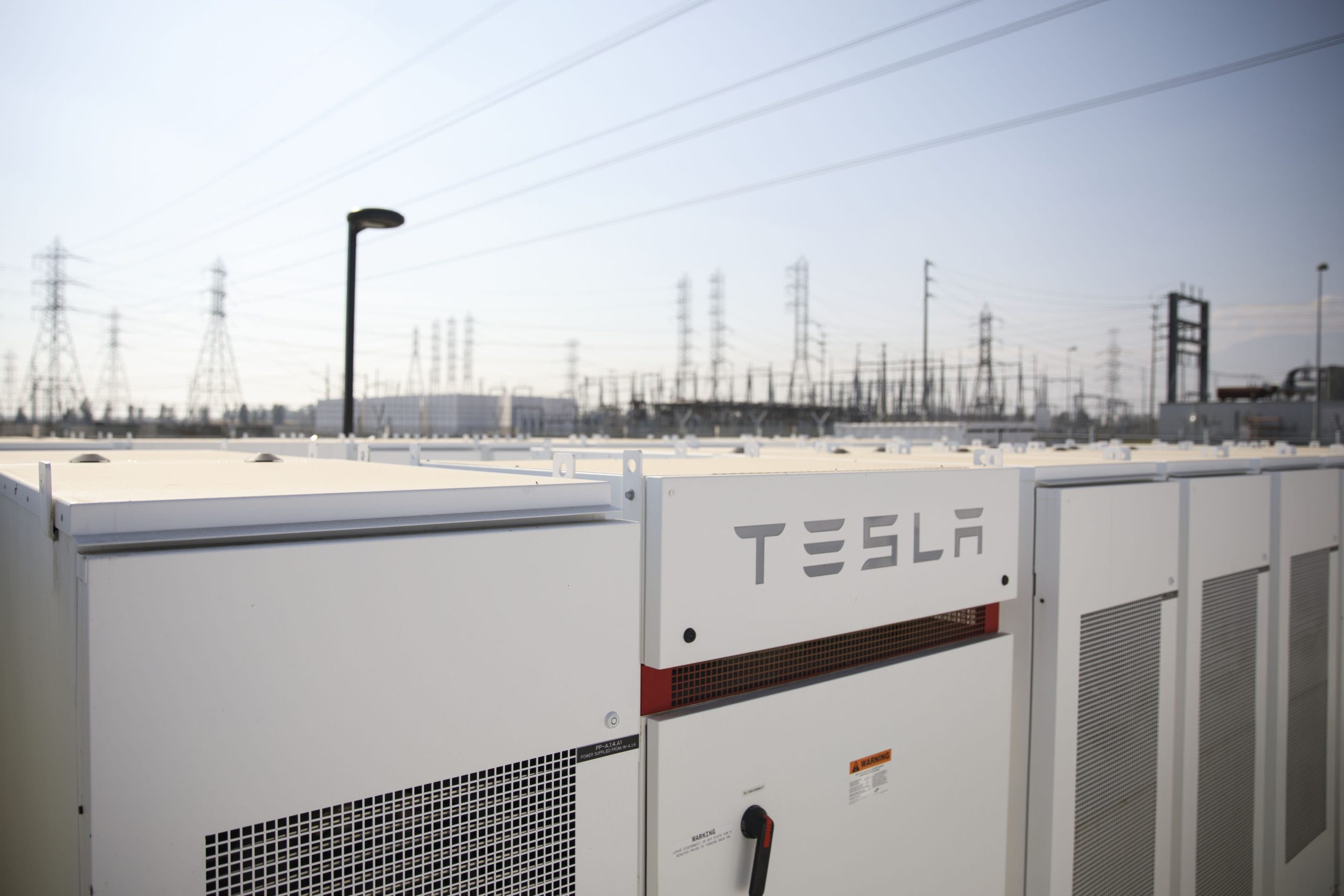
Tesla just locked down a massive battery deal that reshapes its supply chain – and it’s not for its cars. The electric vehicle giant signed a $4.3 billion agreement with South Korea’s LG Energy Solution (LGES) to buy lithium iron phosphate (LFP) batteries made in Michigan. These batteries will exclusively power Tesla’s growing lineup of energy storage products like the Megapack, not its vehicles.
This marks Tesla’s second major pact with a South Korean supplier this month alone, following a $16.5 billion semiconductor deal with Samsung.
Why Michigan Batteries Matter
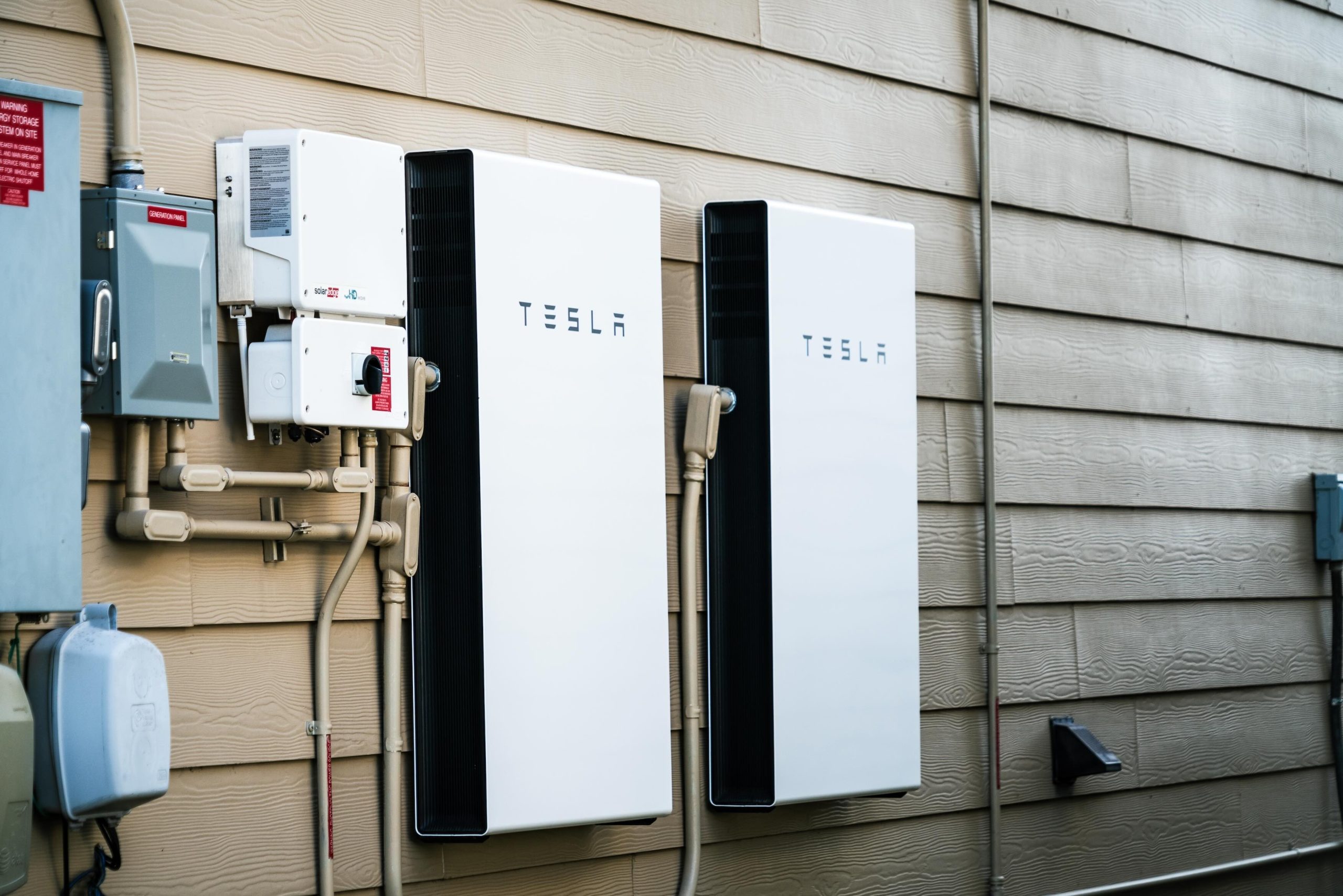
The batteries will roll off LGES’s assembly lines in Holland, Michigan, starting in 2027 through at least 2030. Tesla secured an option to extend the deal another seven years if needed. While LGES has long supplied Tesla with vehicle batteries, this is its first LFP contract for Tesla’s energy storage division.
The timing is critical. U.S. tariffs on Chinese battery imports recently spiked costs, pressuring companies like Tesla that relied on China’s dominance in LFP production. Tesla CFO Vaibhav Taneja admitted last quarter that tariffs made Chinese batteries “increasingly difficult” to source affordably.
“Higher tariffs slammed the door on cheap Chinese LFP imports,” explains battery analyst Cho Hyun-ryul at Samsung Securities. “Companies like Tesla need U.S.-made alternatives, fast.”
Beyond EVs: Tesla’s Storage Surge
While Tesla’s EV sales face headwinds, its energy storage business is exploding. Megapack deployments soared 360% year-over-year in early 2025. LFP batteries are ideal for stationary storage: they’re cheaper, last longer, and are less fire-prone than other lithium-ion types – perfect for massive battery farms.
LGES subtly hinted at shifting some U.S. production lines from EV batteries to energy storage, reflecting slower electric car demand. “Policy changes and tariffs are reshaping priorities,” an LGES insider shared. “Energy storage is where the growth is right now.”
A Strategic Pivot
This deal signals Tesla’s aggressive shift away from Chinese battery dependency while capitalizing on U.S. clean energy incentives. By sourcing Michigan-made cells, Tesla likely qualifies for federal manufacturing tax credits under the Inflation Reduction Act.
“Lithium iron phosphate isn’t going away,” Tesla VP of Engineering Lars Moravy noted recently. “Its value for high-use applications like grid storage is just too compelling.”
LGES only began Michigan LFP production this May, a direct response to U.S. market demands. The move positions the Korean firm to challenge China’s CATL, which controls over 40% of the global LFP market.
Tesla’s back-to-back Korean deals reveal a clear strategy: secure non-Chinese suppliers for critical components amid trade tensions. For U.S. energy infrastructure, it ensures a major pipeline of tariff-free batteries. As renewable projects multiply nationwide, Tesla’s bet on Michigan-made cells could power America’s grid one Megapack at a time.
Subscribe to my whatsapp channel

Comments are closed.