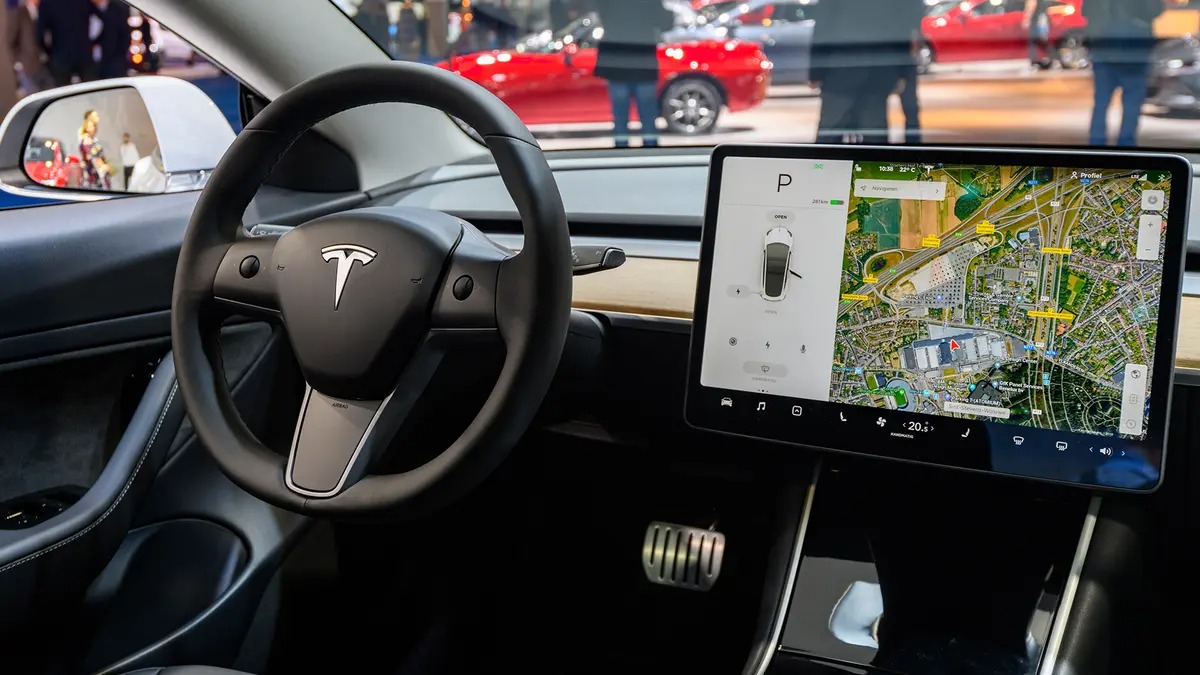

Tesla CEO Elon Musk announced a groundbreaking development in the company’s Full Self-Driving (FSD) technology Wednesday, revealing on X that engineers are training a new AI model with roughly 10 times more parameters and major video compression improvements. Musk projected a public release by late September “if testing goes well,” marking one of Tesla’s most significant software leaps in years.
The upgrade targets core limitations of Tesla’s current system, which requires driver supervision despite its “Full Self-Driving” branding. While today’s FSD (Supervised) v13.2.8 uses cameras and AI to handle lane changes, intersections, and highway navigation, drivers must remain alert with hands on the wheel. The forthcoming model’s expanded parameter variables within its neural network suggest dramatically enhanced decision-making capabilities, trained on vastly more real-world driving data.
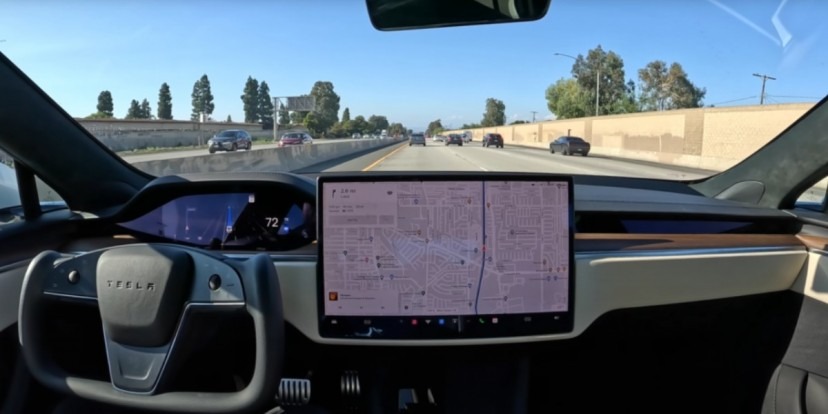
Video processing breakthroughs are equally critical. Musk highlighted a “big improvement to video compression loss,” which translates to sharper, more efficient interpretation of road scenes captured by Tesla’s camera-based vision system. This could improve detection of obstacles, pedestrians, and complex traffic scenarios—addressing frequent criticisms of phantom braking or erratic maneuvers.
Robotaxi Tech Trickles Down
The timing aligns with Tesla’s aggressive autonomy push. Since June, the company has operated a geofenced Robotaxi service in Austin using modified Model Ys running advanced FSD versions. Though early tests drew regulatory scrutiny after incidents of sudden braking and curb-jumping, Musk emphasized these vehicles use “unmodified Tesla cars” with specialized software. Insights from Austin’s fleet directly inform consumer updates, with Tesla noting “a jump in performance” will reach customer vehicles via this new model.
Navigating Challenges
Despite Musk’s optimism, hurdles remain. The National Highway Traffic Safety Administration (NHTSA) is investigating Tesla’s Austin rollout following safety concerns and a recent $243 million jury verdict against Tesla in a fatal 2019 Autopilot crash. Shareholders also sued Tesla this week, alleging Musk overstated FSD’s capabilities and safety.
Technically, scaling up parameters risks overwhelming existing hardware. Tesla must optimize the model to run smoothly on its current AI4 inference computers (HW4) installed in newer vehicles. “Tesla faces the challenge of optimizing the greatly expanded models so they continue to run on AI4 hardware,” notes industry analysis.
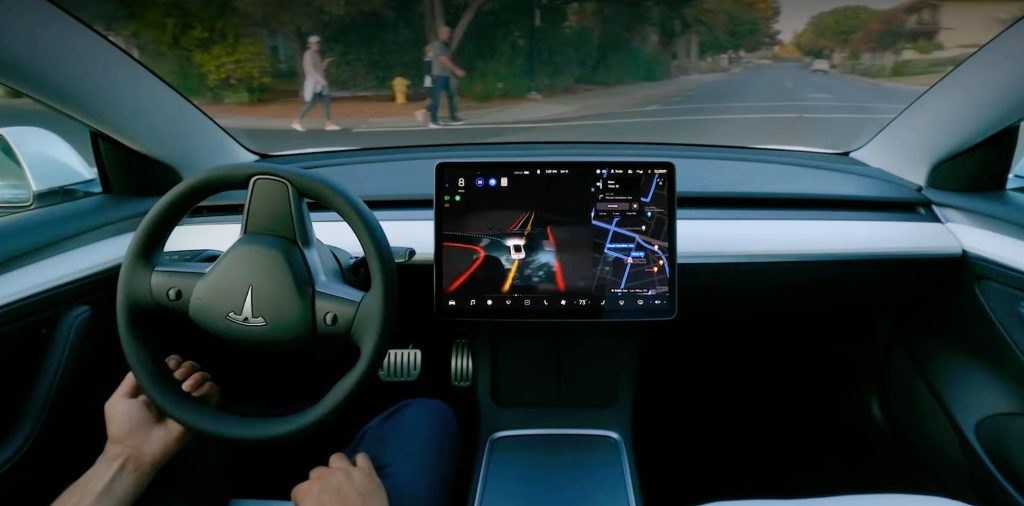
Why This Upgrade Matters
For Tesla, FSD isn’t just a feature; it’s central to its valuation amid slumping EV sales. Automotive revenue fell 16% year-over-year in Q2, intensifying pressure to monetize autonomy through subscriptions ($99/month) and future Robotaxi networks. As Wedbush analyst Dan Ives noted, autonomy could propel Tesla toward a $2 trillion market cap by 2026 if successfully scaled.
“FSD can be a game-changer,” said auto analyst Melissa Chan. “But until it’s deployed at scale and generating steady revenue, Tesla’s bread-and-butter is still the vehicles”. Regulatory approvals remain unpredictable, particularly in Europe and China, where each FSD update requires fresh government validation.
Subscribe to my whatsapp channel

Comments are closed.