Tesla’s Two-Seater Cybercab vs. Zoox’s Robotaxi Factory: The Driverless Car Race Heats Up
Tesla vs Zoox: Robotaxi Race Heats Up

The autonomous vehicle sector is accelerating toward commercialization, with Tesla and Amazon-owned Zoox unveiling contrasting strategies to dominate the robotaxi market. While Tesla prepares its unconventional two-seat Cybercab for production, Zoox is scaling manufacturing capacity to deploy purpose-built vehicles without steering wheels across multiple U.S. cities.
Tesla’s Cybercab Strategy
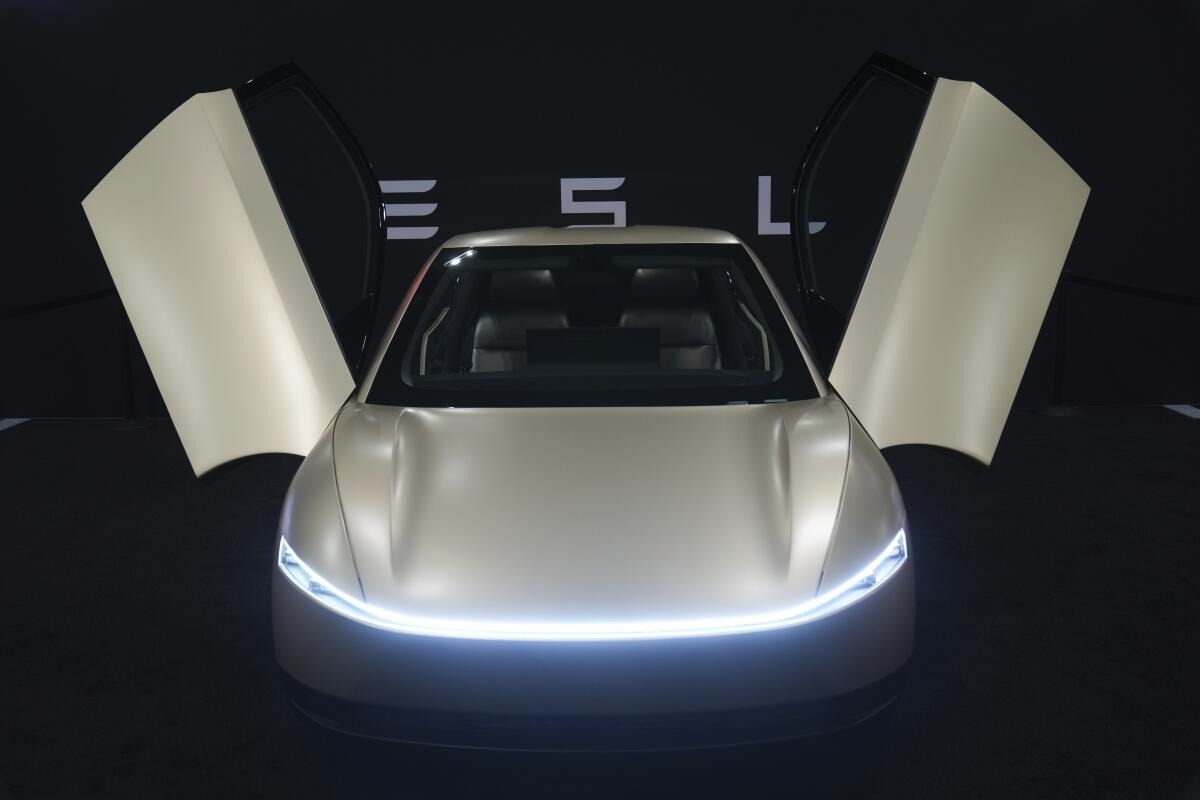
Tesla aims to launch its futuristic Cybercab, a two-seater coupe with butterfly doors and no steering wheel or pedal, by 2027. Priced around $30,000, it targets a 300-mile range from a sub-50kWh battery using ultra-efficient inductive charging. The vehicle relies solely on Tesla’s camera-based vision system and an upcoming AI5 processor for navigation, eliminating costlier sensors like LiDAR.
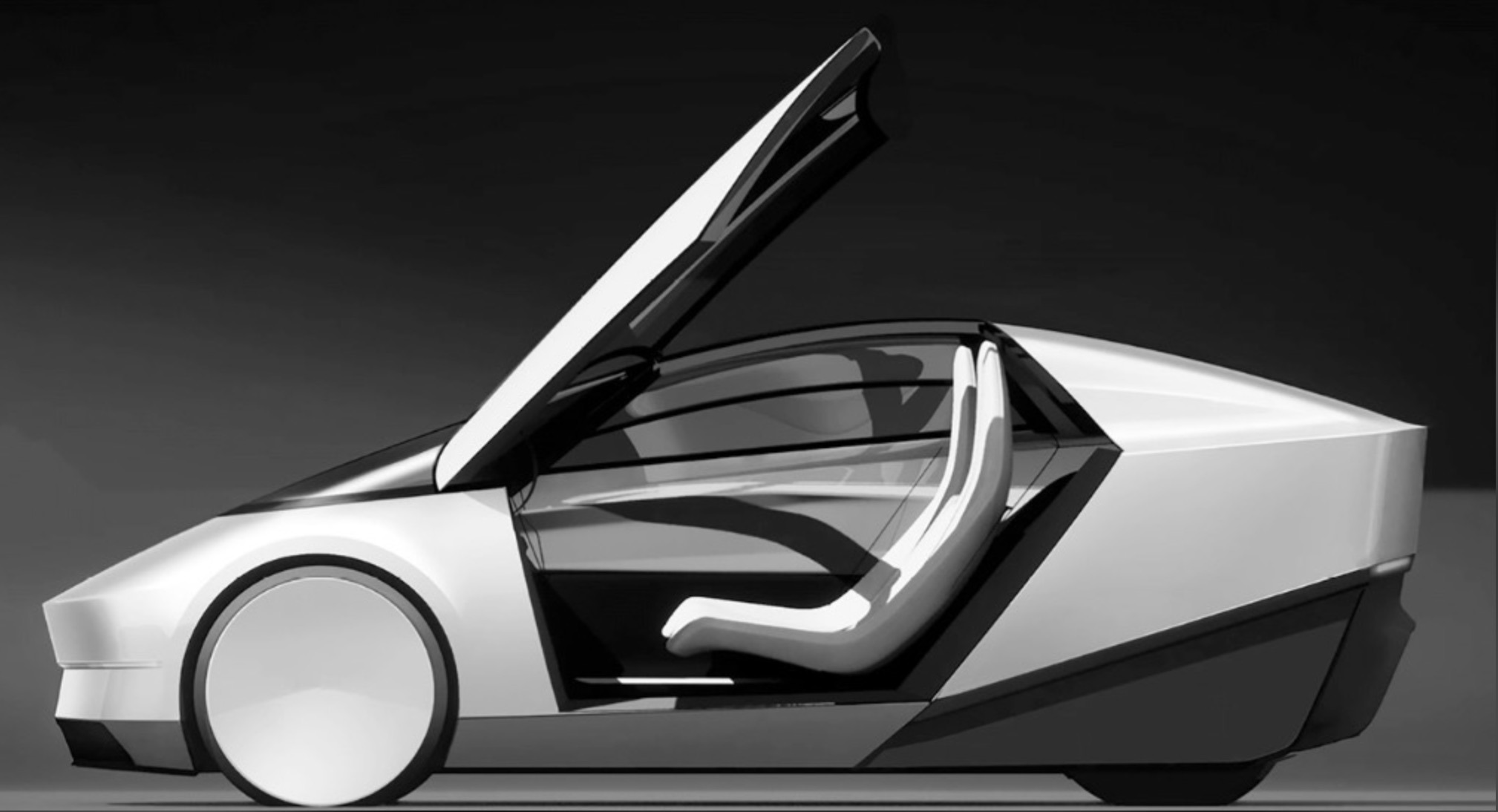
Despite its sleek design, industry analysts question its practicality. “Making this a two-seat-only car is very perplexing. When you think of a cab, you think of something that’ll carry more than two people,” said Jonathan Elfalan, Vehicle Testing Director at Edmunds. Tesla plans to start its robotaxi service in June 2025 using retrofitted Model Y SUVs in Austin, with the Cybercab joining the fleet in 2026.
Zoox Scales Production and Testing
Zoox is taking a more traditional robotaxi approach with its rectangular, four-seater vehicles designed without manual controls. The company recently opened a 220,000-square-foot production facility in Hayward, California, capable of assembling over 10,000 vehicles annually. This expansion supports imminent commercial launches in Las Vegas and San Francisco, followed by Atlanta, a market Zoox calls the “Silicon Valley of the South”.
Crucially, Zoox secured a regulatory exemption from the National Highway Traffic Safety Administration (NHTSA) in August 2025, permitting public road demonstrations of its custom-built robotaxis. The exemption resolves a longstanding investigation into Zoox’s compliance with federal safety standards, which traditionally require steering wheels and pedals.
Regulatory Hurdles and Market Realities
Both companies face regulatory and design challenges. Tesla’s steering-wheel-free Cybercab conflicts with the UK’s Automated Vehicles Act, which mandates occasional human input as a requirement impossible without manual controls. Meanwhile, Zoox’s exemption only covers demonstrations, not full commercial operations, underscoring NHTSA’s cautious approach.
Industry experts also question Tesla’s two-seat model. Two-door vehicles represent just 2% of U.S. car sales (excluding SUVs and trucks), suggesting limited appeal for family or airport trips. “The market for two-door robotaxis would be very limited,” noted Sandeep Rao, Senior Researcher at investment firm Leverage Shares.
The robotaxi race highlights divergent philosophies: Tesla bets on evolutionary deployment (starting with retrofitted cars) and radical design, while Zoox prioritizes purpose-built vehicles and incremental geographic expansion. Both must prove safety and scalability to win regulatory and public trust.
As Zoox CEO Aicha Evans stated: “Our production facility isn’t just about building vehicles, it’s about building a new mobility ecosystem.” With Tesla targeting “millions” of autonomous vehicles by 2026 and Zoox expanding to seven test cities, the foundation for driverless transit is being laid one city, one exemption, and one prototype at a time.
Subscribe to my whatsapp channel

Comments are closed.