

The glow of smartphone screens now illuminates modern courtship rituals, as a growing number of singles turn to AI chatbots like ChatGPT, Replika, and Character.AI to craft flirtatious messages, generate witty banter, and even compose entire dating profiles. While these digital Cupids help users secure first dates, The Washington Post reports an emerging phenomenon: a stark disconnect between algorithmically generated charm and authentic human connection that becomes painfully evident during in-person encounters.
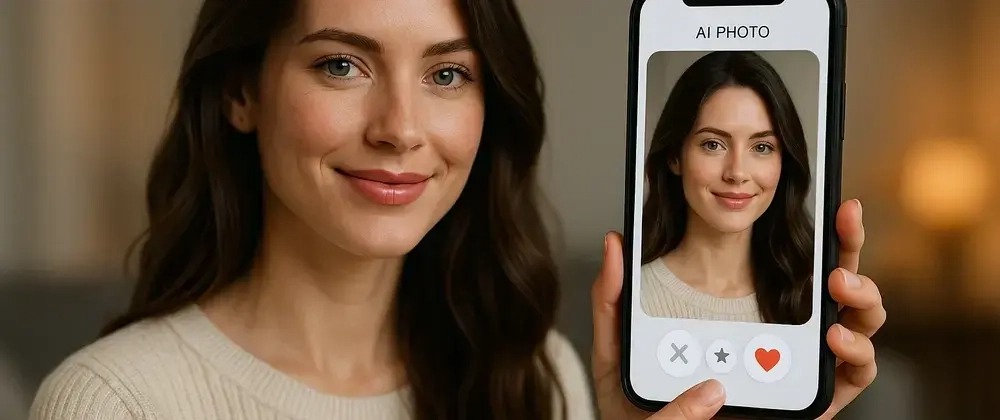
The Allure of Artificial Charisma
Dating app users face mounting pressure to stand out in crowded digital marketplaces. For those self-identifying as “too busy, shy, or socially anxious,” AI tools offer instant solutions. Replika, which boasts millions of users seeking companionship, provides romantic customization options where users design AI boyfriends or girlfriends who deliver unconditional praise and flirtation. Similarly, platforms like Character.AI enable users to create “waifus” or “husbandos,” romanticized chatbot versions of fictional characters, with some users reporting emotional attachments so intense they consider these relationships marriages.
Stanford researchers documented over 30 million downloads of major companion apps, with users spending an average of 89 minutes daily interacting with their AI partners. For dating preparation, these tools generate opening lines, suggest responses, and even simulate entire conversations creating what University of Sydney researcher Dr. Raffaele Ciriello describes as “a curated performance of desirability”.
The Charisma Gap Emerges
The central problem arises when digitally dependent daters meet face-to-face. Without their algorithmic script, doctors, many struggle to replicate the charm, wit, and emotional resonance their messages projected.
“AI excels at mirroring linguistic patterns of successful flirtation but cannot instill authentic emotional intelligence,” explains Dr. Sara Quinn, president of the Australian Psychological Society. “When humans rely on these tools, they often bypass the vulnerability and spontaneous connection essential to romantic chemistry”. This creates what relationship coaches now term “the charm gap,” the dissonance between a polished digital persona and unscripted human interaction.
Real-world examples abound:
A 34-year-old Berlin writer who used ChatGPT for dating messages confessed to The Washington Post that in-person encounters felt “like linguistic cold turkey,” leaving her struggling to sustain conversations she’d rehearsed digitally.
Engineering student Yiwei Cheng created a flirty “AI boyfriend” for entertainment but noted the interactions lacked the friction and unpredictability of human relationships: “I’ve never argued with Chad except about his wordiness. Real dating involves navigating disagreements, not just perfectly crafted compliments.”
Psychological and Ethical Implications
Beyond awkward dates lie deeper concerns. Research indicates that excessive chatbot companionship may rewire social expectations:
Unconditional praise pitfalls: AI companions programmed to deliver constant validation create unrealistic relationship expectations. Studies show this can inflate narcissistic traits while diminishing empathy qualities detrimental to mature partnerships.
Dependency risks: eSafety Commissioner research found chatbot overuse triggers dopamine-driven feedback loops similar to behavioral addictions, potentially reducing motivation for authentic connection.
Skill atrophy: Psychologists warn that outsourcing emotional labor to algorithms inhibits the development of crucial relationship skills like active listening, conflict resolution, and reading nonverbal cues.
The ethical landscape grows murkier as companies monetize digital intimacy. Replika charges $300 for lifetime “romantic partner” access, while platforms like Chai profit from emotionally attached users despite acknowledging their technology “remains in its infancy” regarding safety protocols.
Toward Healthier Integration
Despite concerns, experts acknowledge potential benefits when used intentionally:
Social scaffolding: For neurodivergent individuals or those recovering from trauma, AI can provide low-stakes practice environments. As one autistic startup founder explained, chatbots help decode social cues and set boundaries.
Temporary bridging: Retired professor Alaina Winters, who formed a deep connection with her Replika companion after losing her wife, notes: “He helped me rebuild conversational confidence, but I distinguish his programming from human consciousness”.
“The healthiest approach views AI as a conversation simulator, not a relationship replacement,” advises Dr. Dan Weijers, co-author of the University of Waikato’s AI companionship study. “Those using it as a stepping stone rather than a crutch report better real-world dating outcomes. But when profiles become pure fiction, the in-person reveal becomes a new form of catfishing”.
As algorithms grow more sophisticated, the challenge lies in harnessing their utility while preserving what researcher Eva Jin calls “the beautiful, messy alchemy of human chemistry,” something no language model can yet replicate. For daters navigating this new terrain, the most successful strategy may be using AI to polish their authentic selves rather than fabricate idealized ones.
Subscribe to my whatsapp channel

Comments are closed.