
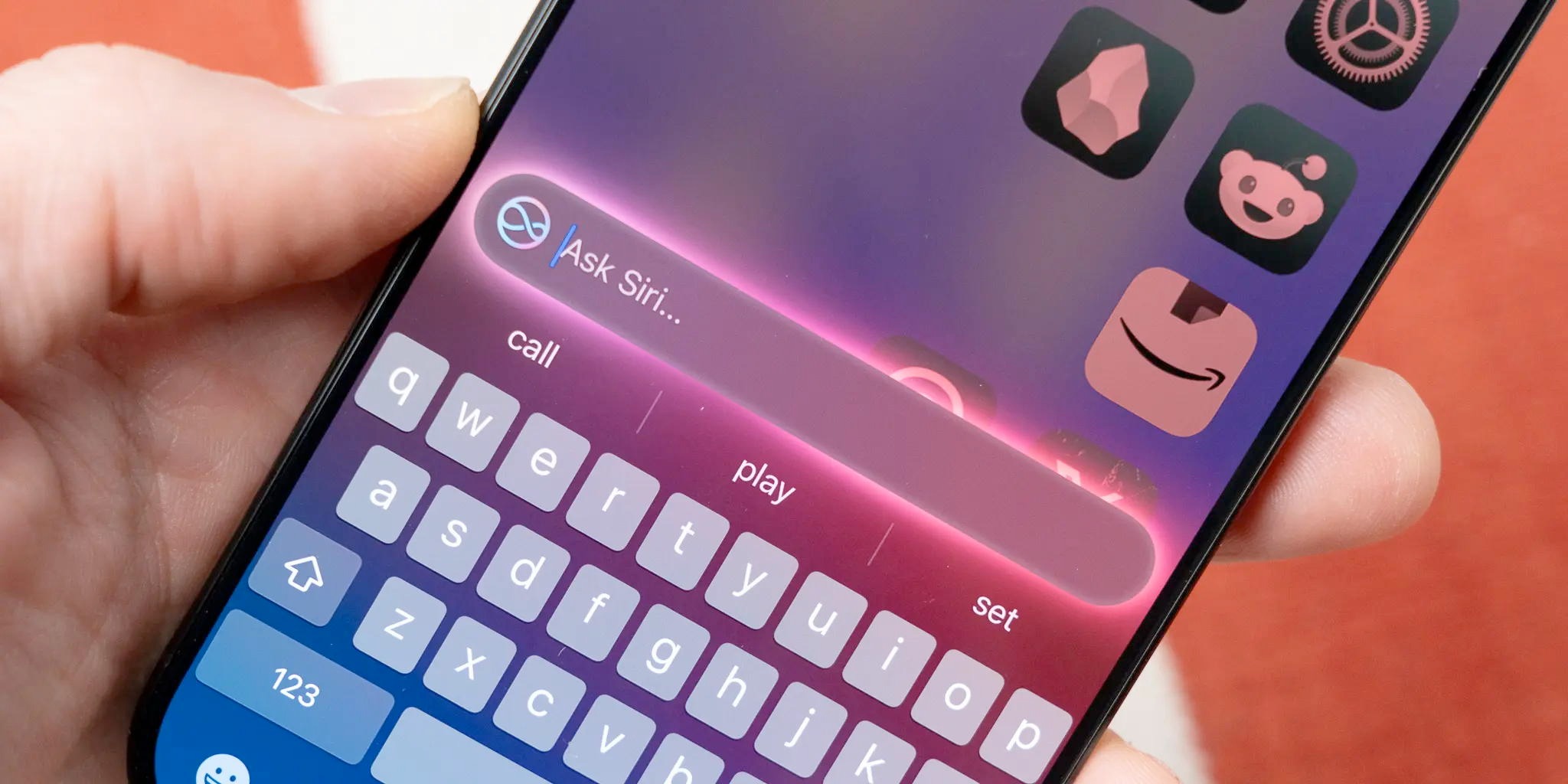
Apple’s Siri Overhaul Delayed to 2026
Apple Targets Spring 2026 for Transformative Siri Overhaul Amid Developer and Engineering Challenges

Apple’s long-promised reinvention of Siri powered by its new App Intents system is now slated for release in spring 2026, likely alongside the iOS 26.4 update, according to multiple reports from Bloomberg’s Mark Gurman. Originally planned for iOS 18, the overhaul represents Apple’s most ambitious attempt to modernize its voice assistant using generative AI, though internal engineering hurdles and third-party adoption risks threaten its impact.
The upgraded Siri will leverage App Intents, a framework enabling users to perform complex, multi-step app actions through voice alone. Imagine commanding: “Siri, find photos from Sarah’s birthday last month, remove the background on the best one, and post it to her Instagram thread.” Behind the scenes, Siri would navigate multiple apps sequentially without manual intervention. Early demonstrations showed similar capabilities for shopping (“Scroll through Temu and add wireless earbuds to my cart”) or travel (“Check my Uber receipts for Tuesday and email Accounting the total”).

The Rocky Path to Launch
Apple’s decision to delay the feature twice underscores significant technical and practical challenges. Engineers reportedly struggled to ensure the system’s accuracy, especially in “high-stakes scenarios” like banking or health apps, where errors could have severe consequences. Internally, tests revealed inconsistencies when handling sensitive operations, prompting debates about excluding categories like finance or medical apps entirely. As noted in Gurman’s Power On newsletter:
“Engineers have been struggling to ensure the system works with a sufficient number of apps and is accurate enough… There are worries about software failing where precision is non-negotiable”.
Limited rollout plans further reflect Apple’s caution. The new Siri will debut exclusively in the U.S. around March–April 2026, with global expansion expected gradually. Even then, functionality may vary sharply by app category. Banking and health actions face potential restrictions or omission due to unresolved reliability concerns.
The Developer Dilemma
Critically, Siri’s effectiveness hinges on widespread third-party app integration. Apple is actively courting major developers, with confirmed testing partners including Uber, YouTube, WhatsApp, Amazon, AllTrails, Threads, Temu, Facebook, and select games. Yet smaller developers may lag, risking a fragmented experience.
“Siri App Intents will only be as powerful as the number of apps that integrate with it,” observes tech analyst Maria Fernandez. “If top social or productivity tools adopt it early, momentum could follow. But if giants like Spotify or Chase balk over privacy or complexity, users won’t see the revolution Apple promised.”
This developer-dependent model contrasts with Apple Intelligence’s device-level features, which the company controls directly. While Apple optimistically calls App Intents “transformative,” skeptics note it echoes failed platform plays like Siri Shortcuts powerful in theory but underutilized without developer enthusiasm.
High Stakes for Apple’s AI Future
For Apple, the overhaul is existential. Competitors like Google Assistant (backed by Gemini) and Amazon’s Alexa already support rich app-based actions. Further delays or a shaky launch could cement perceptions that Apple lags in AI, a narrative CEO Tim Cook has fought since ChatGPT’s 2022 breakout.
The company aims to counter this via deep OS integration. Unlike standalone chatbots, Siri will leverage on-screen awareness and personal context (e.g., cross-referencing flight details in Mail against calendar entries). Combined with Apple’s privacy-focused on-device processing, this could differentiate it from cloud-reliant rivals.
Still, as Gurman notes, Apple’s marketing faces an uphill battle. Siri’s reputation for misunderstanding commands persists, and after announcing features prematurely at WWDC 2024, Apple now faces user skepticism and even a lawsuit over an ad showcasing unavailable capabilities.
If successful, App Intents could deliver the “virtual assistant” experience Apple envisioned 13 years ago – one that acts rather than responds. But spring 2026 will reveal whether Apple solved its twin challenges: engineering a system accurate enough for critical tasks and convincing developers to rebuild their apps around voice. As one iOS engineer anonymously shared:
“Precision in open-ended voice commands isn’t an update; it’s a moon shot. And without developers along for the ride, even a perfect Siri stays grounded.”
For users, the promise remains tantalizing. For Apple, it’s a bet it can’t afford to bungle.
Subscribe to my whatsapp channel

Comments are closed.