
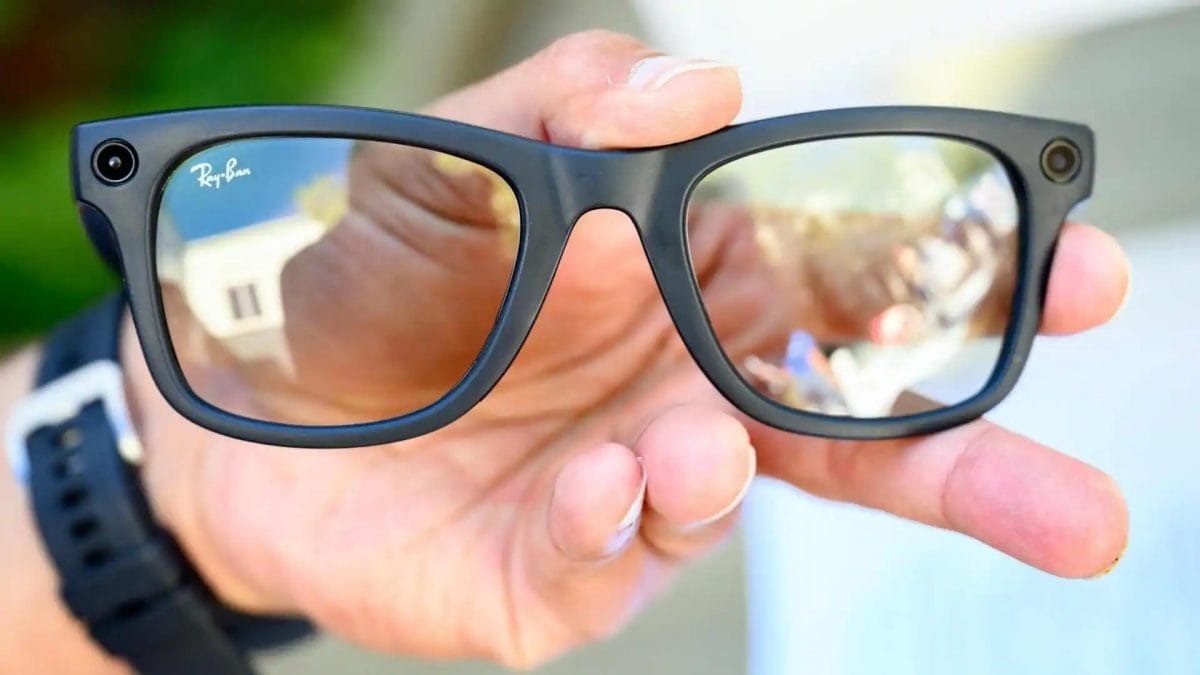

Meta has dramatically reduced the anticipated price of its upcoming Hypernova smart glasses, the company’s first model with an integrated display, to approximately $800, down from earlier projections of $1,000–$1,400. According to sources familiar with the matter reported by Bloomberg’s Mark Gurman, this aggressive pricing strategy reflects Meta’s willingness to accept lower profit margins to accelerate consumer adoption and establish early dominance in the AI glasses arena.
Strategic Pricing for Mass Adoption
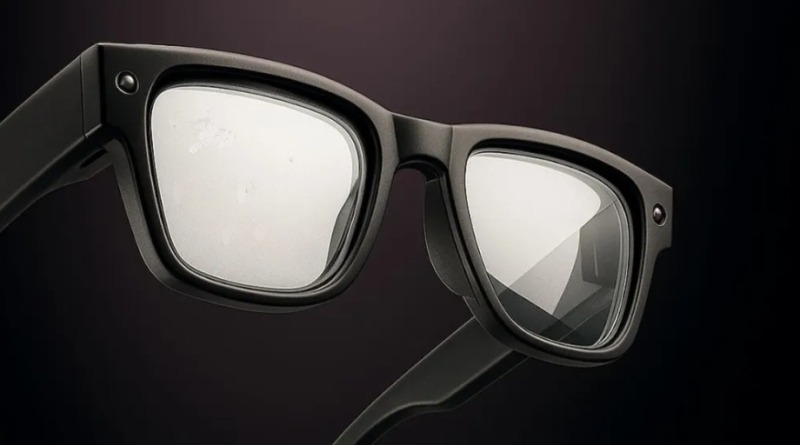
The Hypernova represents a significant technological leap beyond Meta’s camera-focused Ray-Ban Smart Glasses (starting at $299). It features a small display visible only to the wearer, capacitive touch controls, and a companion wrist accessory called Ceres for navigation. Powered by a Qualcomm chip and running a customized Android OS, it supports apps for camera, gallery, and AI assistance. At $800, Hypernova positions itself as a premium yet accessible product significantly cheaper than Meta’s Quest 3 headset ($499.99) and a fraction of Apple’s $3,500 Vision Pro.
Zuckerberg’s Vision: Glasses as the Next Computing Platform
This pricing shift aligns with CEO Mark Zuckerberg’s repeated assertions that AI glasses will evolve from novelty to necessity. During Meta’s Q2 2025 earnings call, he stated, “In the future, if you don’t have glasses that have AI or some way to interact with AI, you’ll be at a pretty significant cognitive disadvantage”. Zuckerberg envisions hundreds of millions of users eventually adopting AI eyewear as a primary tool for accessing “superintelligence,” Meta’s term for advanced AI that processes real-world visual/audio data to assist users contextually.
Meta’s existing Ray-Ban collaboration has already demonstrated market traction, with sales tripling year-over-year and EssilorLuxottica (Ray-Ban’s parent company) reporting 900,000 units sold in Q4 2024 alone. The company aims to produce 10 million smart glasses annually by 2026.
Heating Competition
Meta’s aggressive pricing arrives as competitors race to launch their own AI wearables:
-
Apple is targeting a late-2026 smart glasses release, focusing on privacy and iPhone integration.
-
Google’s Android XR platform, developed with Samsung, will power third-party glasses emphasizing Gemini AI and real-time translation.
-
OpenAI and designer Jony Ive are collaborating on an AI device after a $6.5 billion startup acquisition.
According to IDC, the smart glasses market will grow from 2.7 million units in 2024 to 18.7 million by 2029. Meta’s early price cut pressures rivals to match affordability or risk ceding ground. As tech analyst Frederick Stanbrell notes, “Meta’s hardware-software synergy with EssilorLuxottica creates high barriers to entry. Hypernova’s pricing isn’t a correction, it’s a land grab”.
Hypernova’s imminent launch (reportedly next month) tests whether consumers will embrace displays in everyday eyewear. While early adopters may gravitate toward its multimodal AI capabilities, mainstream success hinges on balancing utility, social acceptance, and battery life, a challenge highlighted by Humane’s AI Pin flop 6. For Meta, Hypernova isn’t merely a product: it’s the vanguard of Zuckerberg’s bet that glasses will supersede smartphones as humanity’s primary portal to artificial intelligence.
Subscribe to my whatsapp channel

Comments are closed.