
Meta Ray-Ban Smart Glasses Review: Style Meets Tech
Ray-Ban’s Smart Glasses: Secret Camera, Loud Speakers, Limited AI (For Now)
The partnership between Meta and Ray-Ban represents a bold experiment: merging everyday eyewear with artificial intelligence, cameras, and audio technology. Now in their second generation, the Meta Ray-Ban smart glasses ($299+) aim to be more than a novelty, positioning themselves as practical tools for content creators, tech enthusiasts, and style-conscious users. After extensive testing and analysis, we find they succeed brilliantly in some areas while revealing the growing pains of nascent wearable AI.
Design and Comfort: Invisible Tech
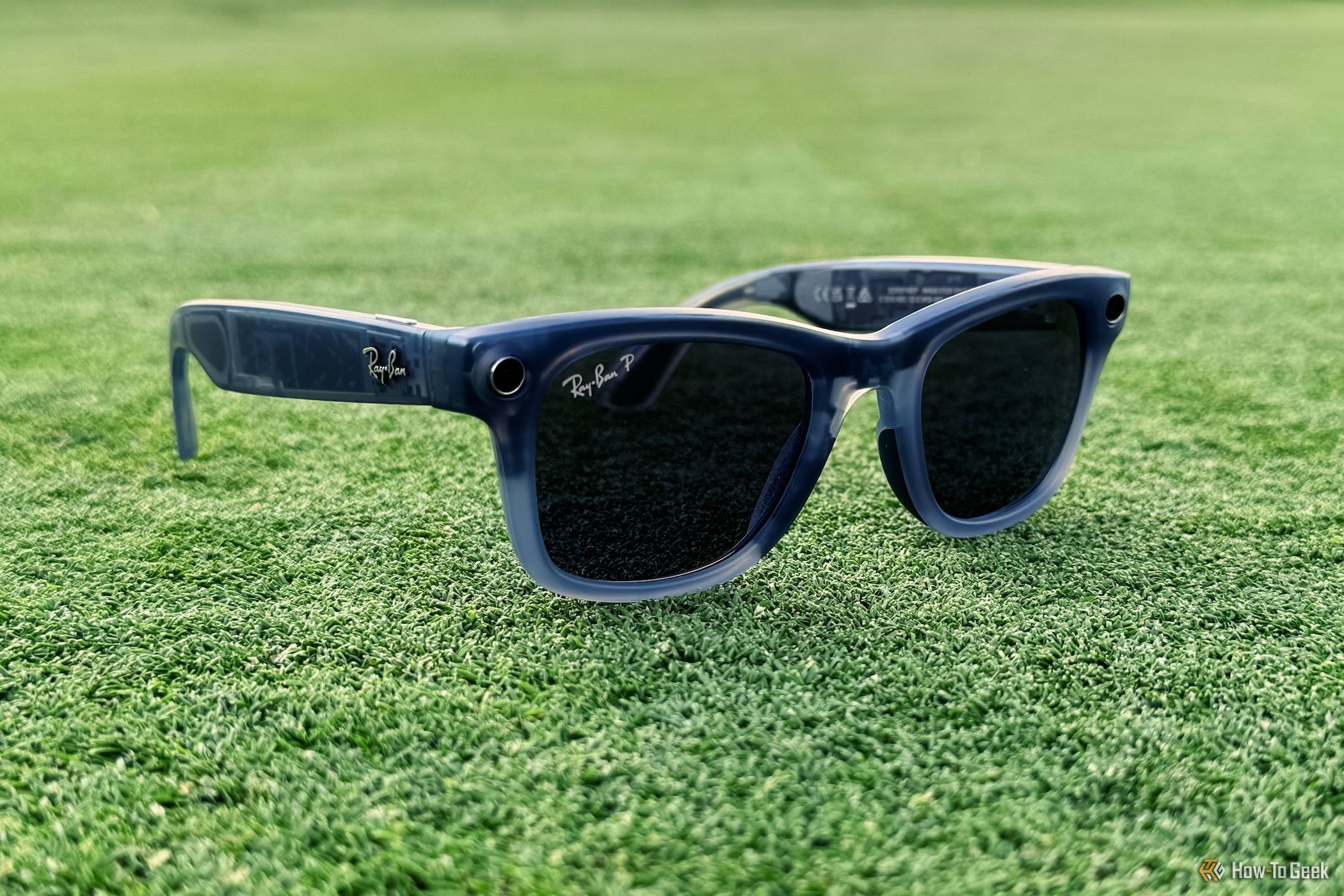
Meta and Ray-Ban’s greatest achievement is designing smart glasses that don’t scream “tech gadget.” Available in Wayfarer, Headliner, and Skyler frames, they’re nearly indistinguishable from classic Ray-Bans. At 48–49 grams, they’re only marginally heavier than standard models, avoiding the bulk that plagues AR competitors like the XReal Air 2 (72g). Prescription and Transition lenses are supported, making them viable for daily wear. The only subtle tells are the camera lens on the right temple and a privacy LED that glows during recording. The redesigned leather charging case adds elegance and extends total battery life to 36 hours.

Camera Capabilities: Spontaneity Over Precision
The upgraded 12MP camera captures 1080p video and vertical photos optimized for Instagram and TikTok. Image quality surpasses the first generation, delivering vivid colors and respectable detail in daylight. Video stabilization is surprisingly effective for walking or casual action shots, making this ideal for travel vlogging or capturing fleeting moments with pets or kids.
Limitations persist, however. Low-light performance is mediocre, with noticeable noise in shadows. The ultra-wide lens introduces slight fisheye distortion, and framing shots requires practice since the camera sits above your natural sightline. Videos cap at 60 seconds by default (extendable to 3 minutes), prioritizing brevity over documentary use.
Audio Performance: Calls Shine, Music Compromises
Audio is where these glasses excel. The five-microphone array delivers studio-quality voice pickup, filtering background noise so effectively that callers often assume you’re using a dedicated headset. Open-ear speakers project clear dialogue and podcasts directly to your ears while minimizing sound leakage, a boon for situational awareness during walks or drives.
Music playback is serviceable but lacks bass depth. In noisy environments, volume struggles to compete, making dedicated earbuds preferable for critical listening. Still, for hands-free calls or navigation prompts, the audio is exceptional.
Meta AI: Clever but Limited
The built-in AI assistant, activated by “Hey Meta” or a tap on the temple, is the glasses’ most futuristic feature. It can identify objects (e.g., dog breeds or landmarks), translate text, or answer trivia via the camera. In practice, responses are succinct and reasonably accurate, though processing delays create awkward pauses. Functionality remains restricted outside the U.S. and Canada, and integration with non-Meta apps (like Gmail or Zoom) is absent. Unlike Humane’s AI Pin, Meta’s assistant feels supplementary rather than revolutionary.
Battery Life and Privacy: Lingering Hurdles
Battery life remains a weak point. With mixed use (camera, AI, audio), the glasses last 3–4 hours enough for errands but insufficient for all-day wear. Frequent users will rely heavily on the charging case. Privacy concerns also loom. Though an LED signals recording, it can be obscured, potentially unnerving bystanders. Meta includes a physical off switch, but social acceptance varies; some testers reported discomfort from peers when wearing the glasses in sensitive settings.
The Verdict: A Stylish Bridge to the Future
The Meta Ray-Ban smart glasses are the most compelling “camera glasses” to date, blending genuine utility with Ray-Ban’s timeless aesthetic. They excel as hands-free cameras for POV content and as call-handling tools, while the AI, though not yet essential, hints at a more interactive future.
That said, they’re not for everyone. Battery constraints and privacy trade-offs demand consideration, and audiophiles or low-light photographers should temper expectations. Compared to AR alternatives like the XReal Air 2, Meta’s glasses forgo immersive displays for subtlety and social features.
Ultimately, they’re best suited for:
-
Content creators wanting discrete, first-person footage
-
Tech early adopters exploring AI wearables
-
Urbanites seeking a phone-lite experience for calls and music
For Ray-Ban loyalists or Meta ecosystem users, they’re a fascinating upgrade. For others, Gen 3 may deliver the battery life and AI polish needed to go mainstream.
Get the latest tech news on WhatsApp

Comments are closed.