
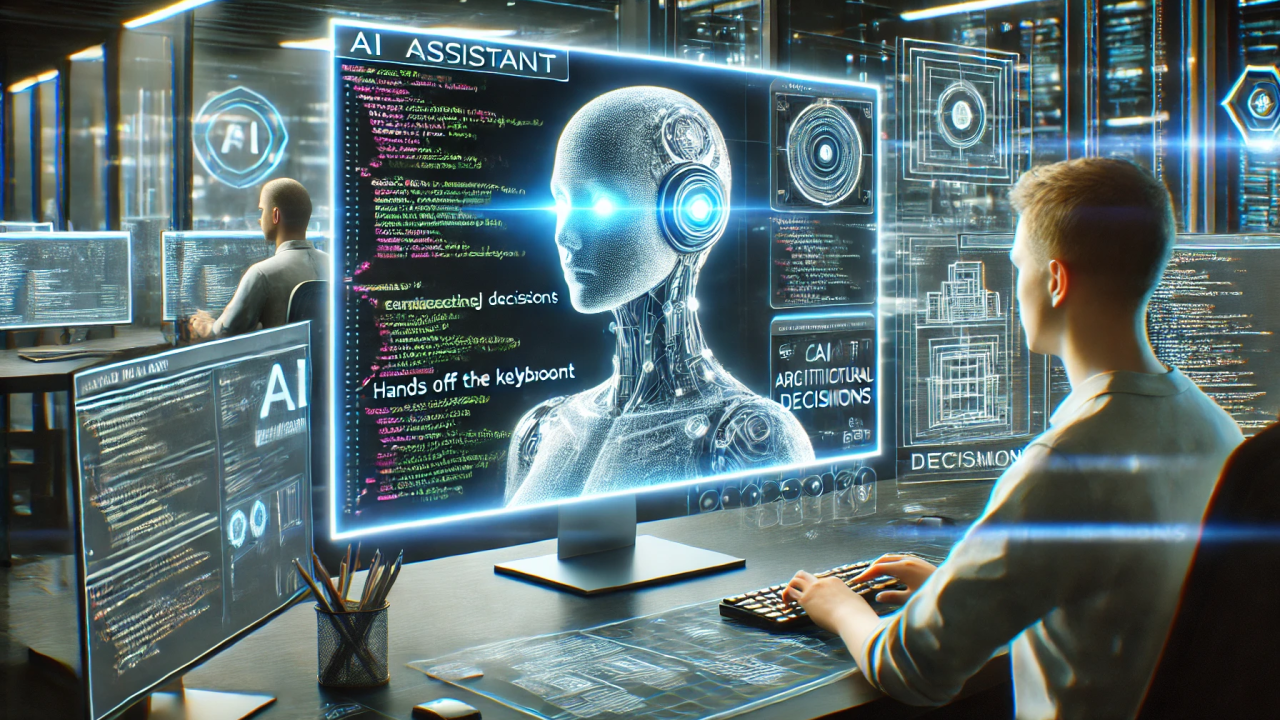

AI may be changing software work, but not evenly.
According to Kun Chen, a former engineer who worked at major tech firms, only a small fraction of engineers are seeing major productivity gains from AI tools. Speaking on the A Life Engineered podcast, Chen said roughly 2% of engineers have learned how to use AI in a way that dramatically improves their output.
For everyone else, the gains appear much smaller.
Chen said most companies are currently seeing productivity increases in the range of 10% to 15%. That is useful, but far from the transformative results many executives hoped for when AI coding assistants and automation tools began spreading across workplaces.
His argument points to a growing divide inside engineering teams: the difference between people who know how to work with AI effectively, and those still using it in limited ways.
A small group moving much faster
Chen described the top-performing group as engineers who can quickly turn ideas into working changes, using AI to speed up coding, testing, iteration, and execution.
That matters because companies often reward speed when priorities change. If a small team can deliver results faster than a larger traditional group, decision-makers may shift more important projects toward those high-output workers.
In practice, this could mean fewer people handling bigger responsibilities, while others struggle to keep pace.
Chen compared the moment to earlier technology shifts, where early adopters gained an advantage before the rest of the market caught up. His warning was simple: adapt quickly, or risk being left behind.
What this means for workers
For many employees, the message is not necessarily to chase every new AI tool.
Chen said the more important skill is mindset. Instead of focusing on one platform or product, workers should build habits around continuous learning and experimentation. AI products are changing rapidly, and a tool that dominates today may be replaced tomorrow.
That advice reflects a broader reality across tech: knowing how to learn new systems can matter more than mastering a single one.
For engineers, designers, analysts, and other digital workers, the challenge may become less about whether AI exists and more about whether they can integrate it into daily workflows in useful ways.
Why companies should pay attention
Many businesses publicly promote AI adoption, but internal results may be uneven. If only a small percentage of staff are creating outsized gains, leadership teams could face new management questions.
Should they train everyone more aggressively? Reward top AI users differently? Redesign teams around faster individual contributors?
Those decisions could affect hiring, promotions, and team structure in the coming years.
There is also a risk of overestimating AI impact. If average gains remain modest while only a few workers excel, some company-wide productivity claims may hide a more mixed picture.
The bigger picture
Chen’s comments highlight something often missed in the AI conversation: technology alone does not create equal outcomes.
The same tools can produce very different results depending on skill, curiosity, and willingness to adapt. That has been true in past tech waves, and it may be true again now.
For workers watching AI reshape their industries, the takeaway may be uncomfortable but clear. Access to tools is only the starting point. Knowing how to use them well is where the real advantage begins.
Subscribe to my whatsapp channel
