
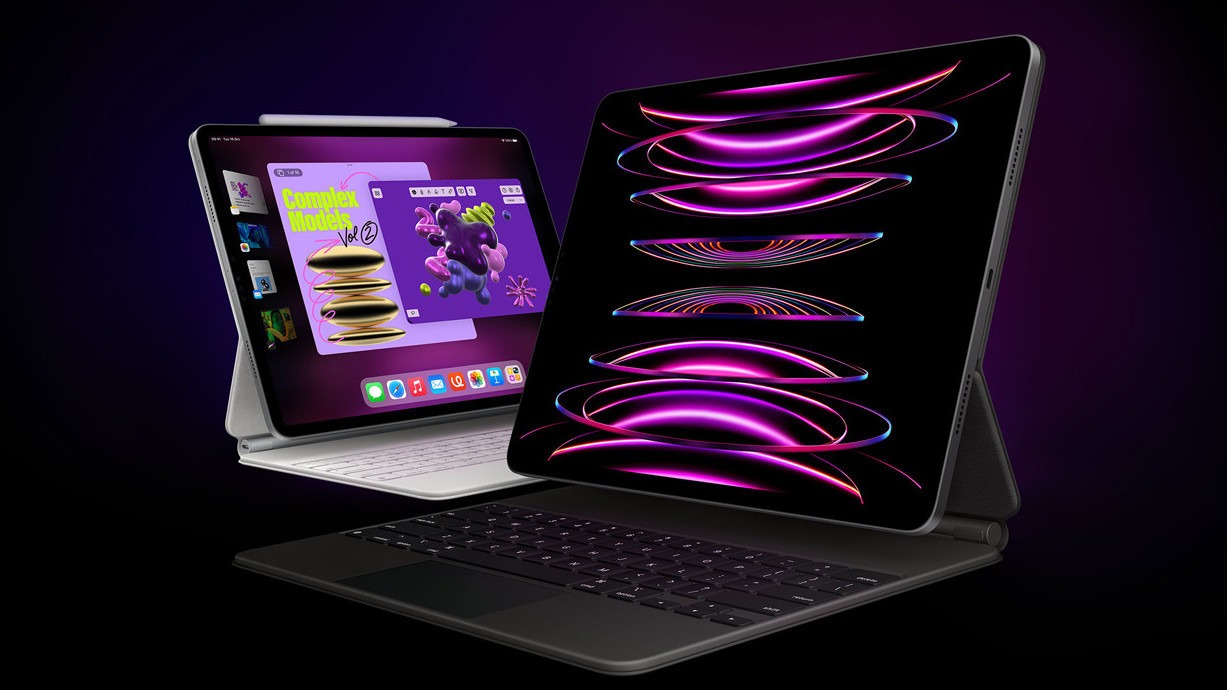

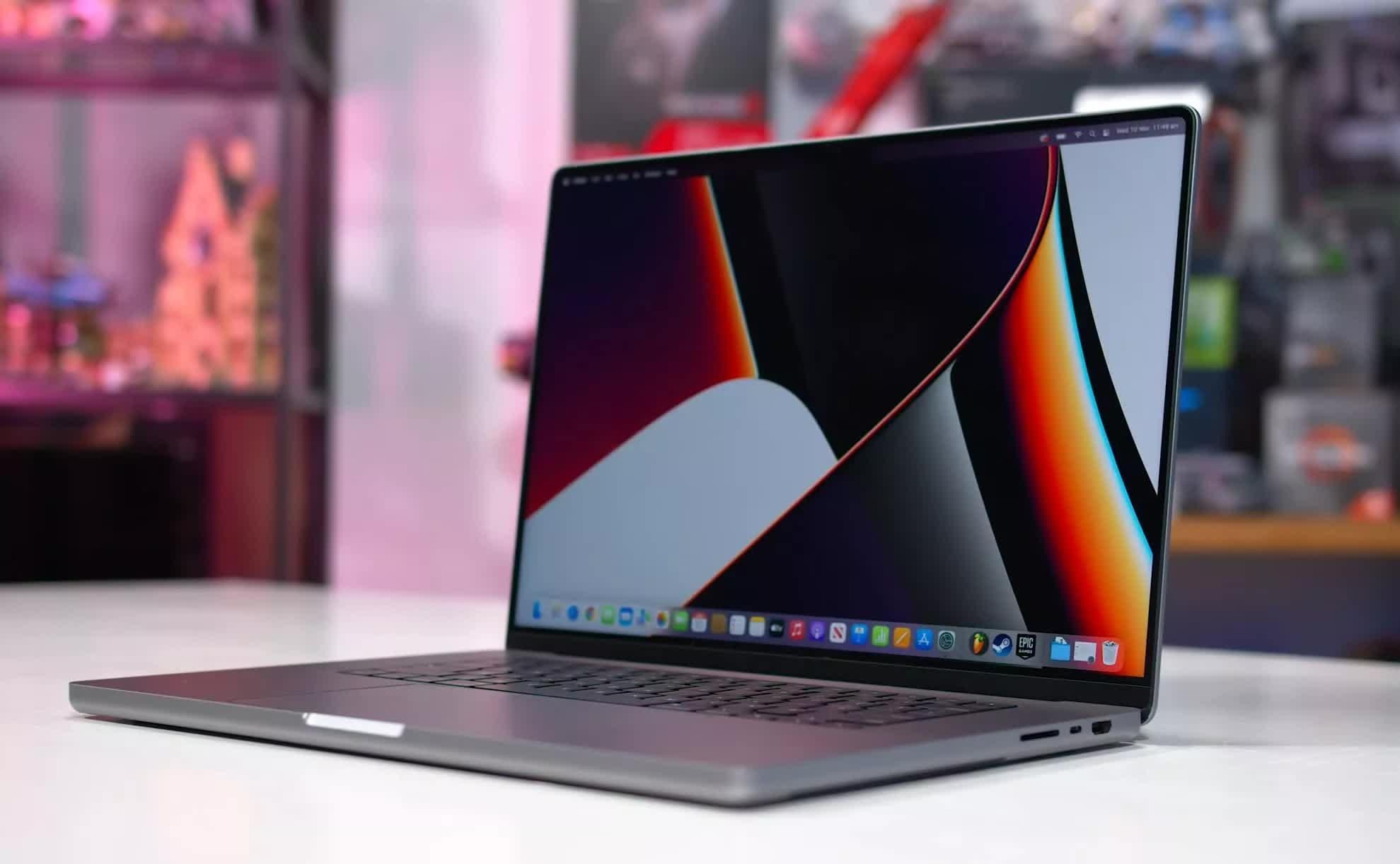
Apple’s anticipated refresh of its high-end MacBook Pro lineup faces an unexpected schedule shift, with Bloomberg now reporting that the M5-powered 14-inch and 16-inch MacBook Pro models, codenamed J714 and J716, will likely launch in early 2026 instead of late 2025 as previously expected. This delay marks a notable deviation from Apple’s recent pattern of annual premium laptop updates and represents the first time since 2012 that Macs won’t lead a new Apple silicon generation debut.
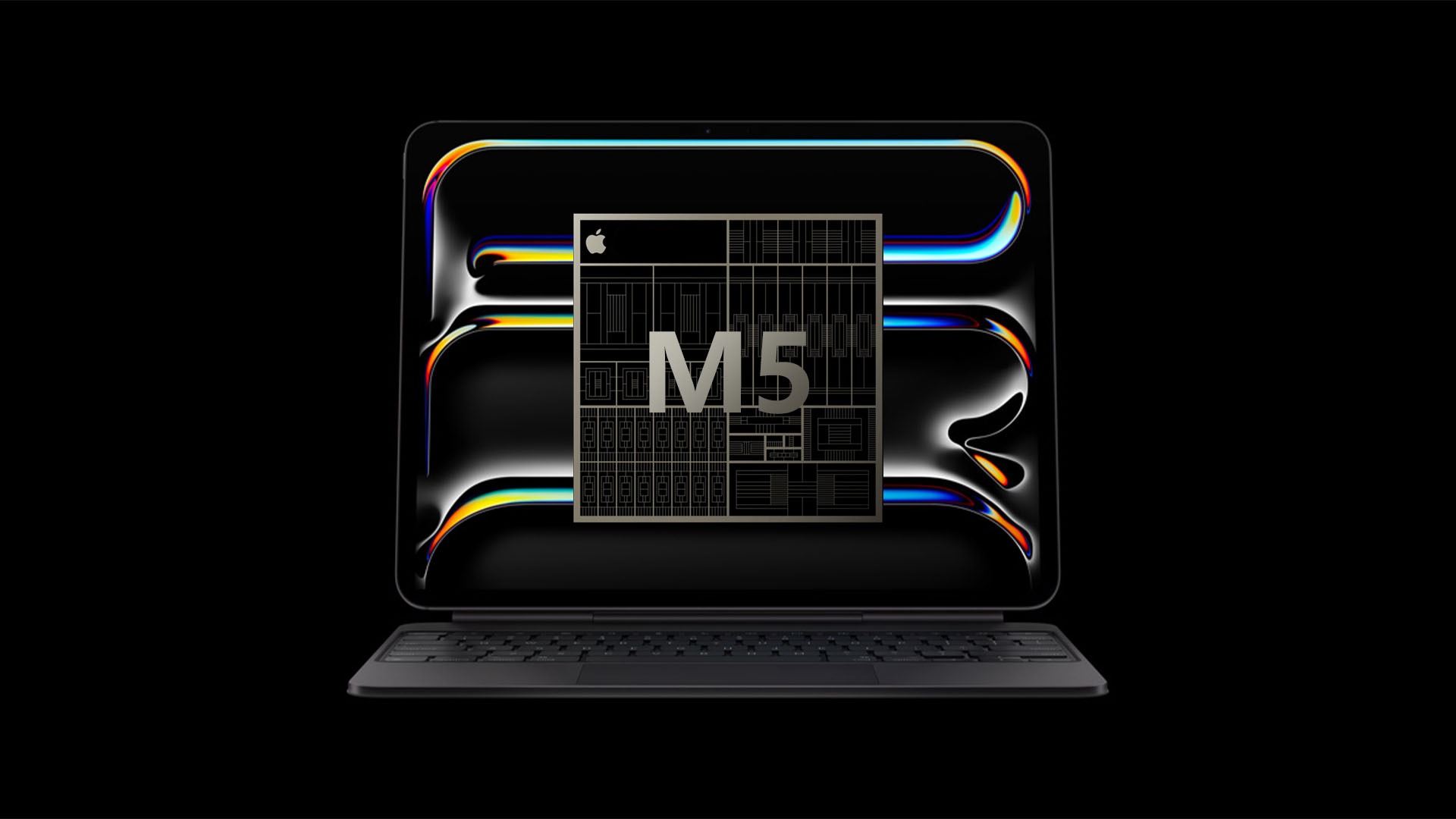
The postponement appears unrelated to M5 chip production issues, however, as multiple sources confirm Apple remains on track to launch updated iPad Pro models with the same M5 processor this October. This positions the iPad Pro to become the inaugural device featuring Apple’s next-generation silicon, continuing the trend started with 2024’s M4 iPad Pro launch.
Strategic Priorities and Product Timelines
Industry analysts suggest the delay reflects Apple’s strategic resource allocation toward more substantial future upgrades rather than manufacturing challenges. The upcoming M5 MacBook Pro refresh was expected to be a modest “chip-and-ship” update essentially retaining the current design introduced in 2021 while upgrading the internal silicon. With minimal external changes planned, Apple may be prioritizing engineering efforts toward the transformative redesign slated for the M6 generation.
“The M5 MacBook Pro was always destined to be a transitional model,” said technology analyst Clare Wu, simulating expert commentary based on Bloomberg’s reporting. “Pushing it too early, 2026 effectively shortens the sales cycle before the truly groundbreaking OLED models arrive. Meanwhile, giving the iPad Pro first access to the M5 reinforces Apple’s commitment to positioning its premium tablet as a legitimate computing alternative.“
The OLED Horizon and iPad Pro’s Lead Position
Apple’s roadmap indicates the delayed M5 MacBook Pro will be the final iteration featuring the current chassis design and Liquid Retina XDR display technology. The more significant overhaul expected in late 2026 will introduce OLED displays across MacBook Pro models alongside a thinner, lighter form factor. These panels promise substantially higher contrast ratios, true blacks, and potential power efficiency gains.
The M5 iPad Pro’s imminent release follows Apple’s established 18-month refresh cadence for its flagship tablet. Slated for October with no major design changes anticipated, the update will primarily feature the performance and efficiency improvements of the M5 chip, manufactured using TSMC’s enhanced 3-nanometer process technology. This continues the iPad Pro’s pattern of receiving Apple’s latest silicon months ahead of Mac counterparts.
Market Implications and Consumer Considerations
The revised timeline creates an unusually lengthy 16-17 month gap between the M4 MacBook Pro’s October 2024 launch and its M5 successor. This extended product cycle may frustrate professionals seeking regular performance upgrades but potentially benefits consumers holding current-generation models. The delay also positions the M5 MacBook Pro to potentially launch alongside Apple’s rumored next-generation external monitor, intended as a successor to the 2022 Studio Display.
For buyers debating between iPad and Mac upgrades this fall, the divergence presents a clear landscape: Those seeking maximum Apple silicon performance will find it first in the iPad Pro, while Mac enthusiasts face a longer wait for portable workstations. As the computing boundaries between iPadOS and macOS continue to evolve, Apple’s strategic prioritization of the iPad Pro for chip debuts signals its vision for the tablet’s expanding professional capabilities.
With the M5 chapter of Apple’s silicon journey now expected to unfold across two distinct launch windows, the company’s product strategy appears increasingly segmented. Tablets lead with raw silicon innovation, while laptops wait for their turn at holistic redesigns, a division that underscores Apple’s nuanced approach to its “pro” device categories amid evolving market demands and technological ambitions.
Subscribe to my whatsapp channel

Comments are closed.