
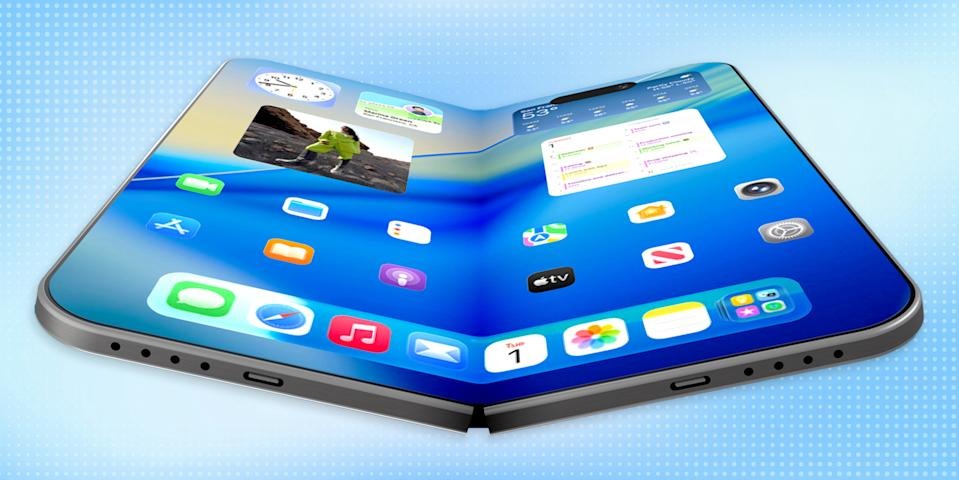
Apple iPhone Ultra: The Foldable iPhone Apple Has Been Building
Apple's first foldable iPhone is shaping up to be the most significant redesign of the iPhone since the iPhone X, but its ultra-premium price tag will make most people think twice.

Apple has been rumored to be working on a foldable iPhone since at least 2018. The timeline kept slipping, the speculation kept building, and for years, foldable phones from Samsung and Google came and went without Apple joining the category. That long wait appears to be nearly over. The iPhone Ultra, as it is widely expected to be named, is shaping up to be Apple’s most daring hardware bet since the original iPhone X redefined what a smartphone could look like.
The iPhone Ultra is expected to launch alongside the iPhone 18 Pro and iPhone 18 Pro Max this fall, though reports suggest it will ship after the Pro models, potentially as late as December. The design is unlike anything Apple has shipped before. The device will have a book-style, passport-shaped design with a 4:3 aspect ratio, wider than it is tall and unlike any foldable currently on the market. When closed, it will have a 5.5-inch outer display; when open, a 7.8-inch inner OLED panel takes over, making it just slightly smaller than the 8.3-inch iPad mini.
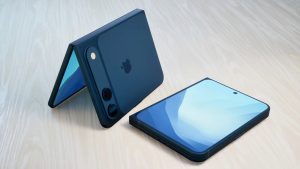
Size is only part of the story. One of the most persistent criticisms of foldable phones has been the visible crease running down the center of the inner display. Apple is using technology that reduces the crease without eliminating it entirely, though Apple supply chain analyst Ming-Chi Kuo has described the inner display as virtually “crease-free.” There is some disagreement in the reporting here, and it matters. Whether the crease is nearly invisible or merely less obvious than a Samsung Galaxy Z Fold will be one of the defining tests of the iPhone Ultra when reviews eventually land.
The hardware powering all of this is genuinely impressive on paper. The iPhone Ultra will come with a new A20 Pro chip and C2 cellular modem, both expected to ship with the iPhone 18 Pro as well, with the A20 Pro rumored to be a larger-than-usual upgrade thanks to a new 2-nanometer manufacturing process. On the camera side, the device is rumored to feature dual 48MP cameras on the back, placed horizontally, including a main wide-angle lens and an ultra-wide lens. Two front-facing cameras are also expected, one for each display.
One genuinely surprising decision is the move away from Face ID. Apple reportedly couldn’t shrink the necessary Face ID components enough to fit two separate modules into the iPhone Ultra’s thin frame, so the company is bringing back Touch ID integrated into the power button, implemented similarly to what the iPad Air and iPad mini currently offer. For a device at this price point, losing Face ID feels like a real trade-off, not a minor footnote.
And then there is the price. The foldable iPhone is expected to cross the $2,000 threshold in the U.S., making it undoubtedly the most expensive iPhone ever released. Some analysts place the starting figure closer to $1,999, while others have suggested it could climb as high as $2,399 depending on configuration. Either way, this is premium territory that puts the iPhone Ultra in competition with a laptop as much as a phone.
Online sentiment is predictably split. Enthusiasts are genuinely excited about the form factor and Apple’s reputation for polished software experiences. Skeptics, equally vocal, point to the price, note that foldable phones still represent a tiny fraction of total smartphone sales globally, and question whether a first-generation Apple foldable is worth the risk. Both camps have a reasonable point.
What makes the iPhone Ultra compelling beyond the hardware is software. iOS 27 is expected to bring new iPhone software features exclusive to iPhone Ultra, with Apple tailoring the multitasking experience to take advantage of the larger inner display , though reports indicate it will stop short of full iPadOS windowing features. That balance between a phone OS and a tablet-like experience will be critical to whether the Ultra actually delivers on its promise day to day.
Apple has watched the foldable market mature for years and chosen to enter it on its own terms. Whether those terms, a $2,000-plus price, no Face ID, and a potentially late December ship date, are acceptable depends entirely on how badly you want to be the first person holding one.
Pros and Cons:
Pros
- Crease-minimizing dual-layer ultra-thin glass display, a genuine engineering breakthrough
- A20 Pro chip built on a 2nm process, promising a significant generational performance jump
- Unique passport-style form factor that stands apart from every other foldable on the market
- iOS 27 reportedly tuned specifically for the dual-display experience
- Titanium build with ultra-thin 4.5mm profile when unfolded
Cons
- No Face ID; Touch ID in the power button is a step backward for flagship-tier authentication
- Starting price expected to cross $2,000, making it the most expensive iPhone ever made
- Launch reportedly delayed relative to iPhone 18 Pro, possibly shipping as late as December 2026
- The inner display crease is reduced but not fully eliminated, per Bloomberg reporting
- First-generation foldable hardware always carries inherent risk and software immaturity
Final Verdict: The iPhone Ultra is arguably the most ambitious product Apple has announced in a generation, combining an iPhone and a near iPad-mini-sized screen into a single titanium-framed device. For early adopters with deep pockets and a genuine need to carry less while doing more, it will be hard to resist. For everyone else, the $2,000-plus starting price, the absence of Face ID, and the reality of first-generation growing pains make a compelling case for waiting and watching how version one actually performs in the real world.
Subscribe to my whatsapp channel
