
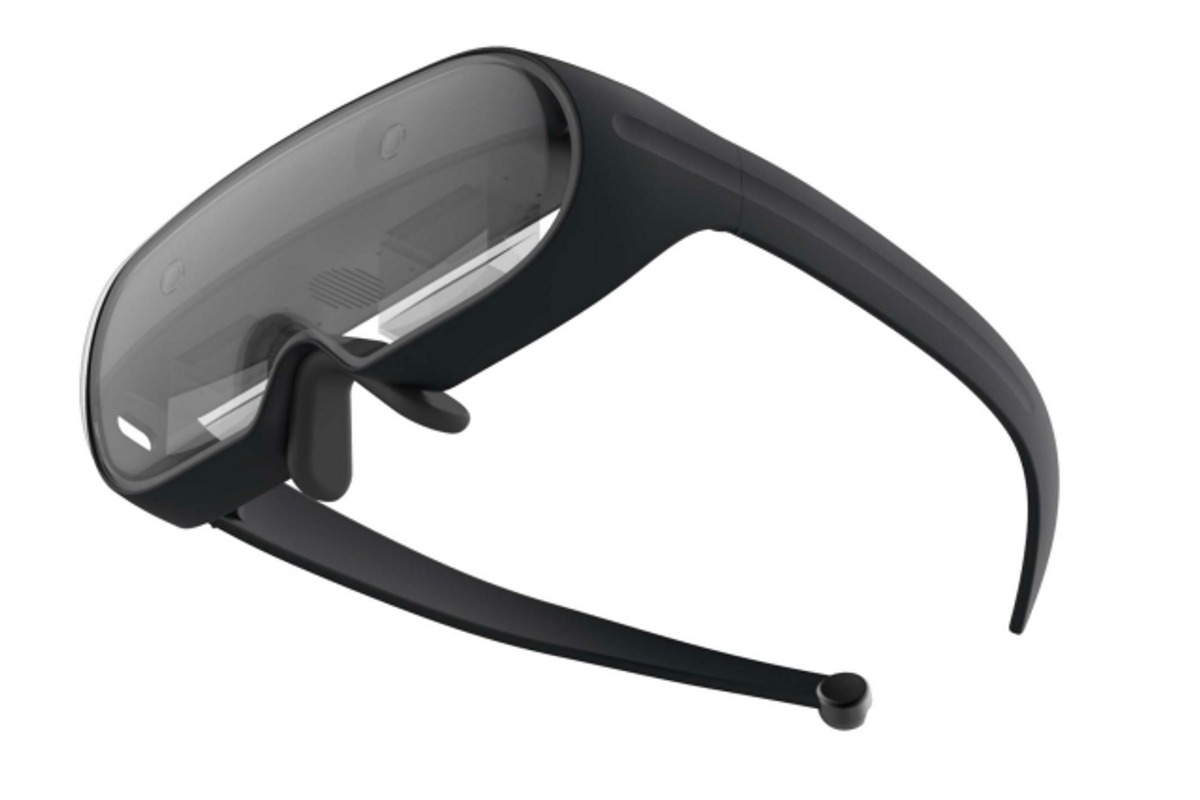

Samsung is developing two distinct smart glasses projects aimed at different consumer segments: a minimalist audio-focused model and a premium augmented reality (AR) headset developed with Google. This dual-track approach targets both affordability and high-end functionality, potentially reshaping the wearable market.
The Entry Point: Display-Free Glasses
The first device, internally called “Samsung Glasses Lite,” eliminates visual displays. Instead, it integrates microphones, speakers, and cameras to enable voice commands, real-time translation, audio notifications, and hands-free video capture. Positioned as a spiritual successor to audio-focused wearables like Bose Frames, it leverages Samsung’s Bixby and Google Assistant for AI interactions. Industry analysts suggest this model could debut under $300, significantly lower than Apple’s $3,499 Vision Pro.
“Not everyone needs or can afford immersive AR,” says tech analyst Maria Chen of FutureTech Insights. “Samsung’s audio glasses could appeal to professionals needing discreet task support, think warehouse technicians or medical staff,ff without the social friction of cameras.” Privacy concerns plagued Google Glass in 2013 due to its covert recording capability, but Samsung aims to mitigate this with prominent indicator lights and voice-activated controls.
The Premium Play: Micro-LED AR Headset
In partnership with Google, Samsung’s second project is a high-end AR headset featuring dual micro-LED displays and advanced spatial computing. Codenamed “Project Kepler,” it will support gesture controls, 3D object manipulation, and real-time environment mapping similar to Apple Vision Pro’s capabilities. Sources indicate a late 2026 release, positioning it against Apple’s rumored Vision Pro successor.
The collaboration merges Samsung’s display expertise with Google’s Tensor G-series AI and Android XR software. “Google learned from Glass’s limitations in enterprise,” notes AR developer Raj Mehta. “This headset isn’t just hardware, it’s about anchoring Android in the ‘spatial computing’ war.”
Market Strategy: Accessibility vs. Immersion
Samsung’s two-pronged launch addresses divergent market needs. The audio glasses target daily productivity, while the AR headset focuses on immersive gaming, design, and virtual collaboration. This mirrors Apple’s separation of its Vision Pro (premium) and rumored lightweight AR glasses (mid-tier).
However, Samsung faces hurdles. Early AR adopters remain skeptical about bulkiness and battery life. The Vision Pro lasts just two hours untethered. Meanwhile, audio glasses must prove utility beyond smartphones. “Success hinges on use cases,” Chen emphasizes. “Can they replace earbuds for calls? Translate street signs instantly? Otherwise, they’re just expensive spectacles.”
Samsung’s dual releases could democratize wearables while challenging Apple’s high-end dominance. If priced competitively, the audio glasses may attract curious consumers, while the Google-powered AR headset lures developers seeking an open alternative to Apple’s ecosystem. As the race for augmented reality accelerates, Samsung is betting that choice, not convergence, will win users.
Subscribe to my whatsapp channel

Comments are closed.