Elon Musk Opens Trial Against Sam Altman by Accusing OpenAI of Betraying Its Nonprofit Roots
Musk warns a ruling favoring OpenAI’s for-profit shift could chill charitable giving across the U.S.

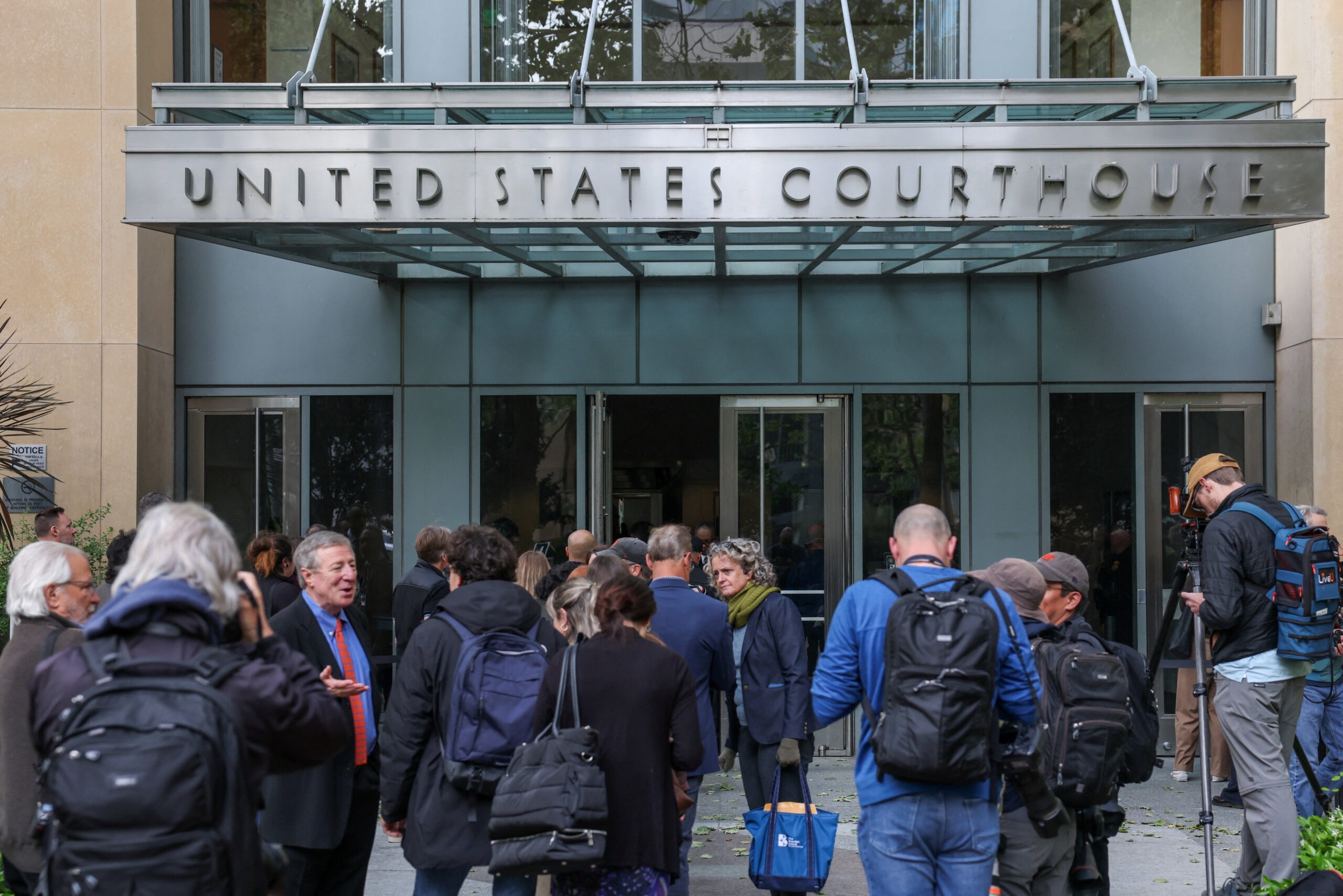
Elon Musk’s long simmering feud with OpenAI landed in a San Francisco courtroom this week. On the first day of a trial expected to stretch four weeks, Musk argued that CEO Sam Altman and the company they co-founded together abandoned its original altruistic mission in favor of profits. The Tesla chief’s lawsuit claims that OpenAI’s shift from a nonprofit research lab to a capped profit entity required a campaign of deception aimed at donors, members, and the public.
Musk, who helped launch OpenAI in 2015 with a $1 billion pledge alongside Altman and others, told the court that he was instrumental in the organization’s creation. He was there, he said, to build an AI lab that would openly share its research and put humanity’s interests ahead of shareholder returns. That vision, according to Musk’s legal team, fell apart after he left the board in 2018 and Altman steered the company toward a structure that could attract massive investments, most notably a multibillion dollar partnership with Microsoft.
A founding promise, broken?
The central charge is straightforward. Musk’s side says OpenAI solicited donations and recruited talent by promising to develop safe artificial general intelligence for the public good, then quietly erected a for profit arm that answered to investors instead. In his opening testimony, Musk expressed concern that the transformation wasn’t just a pivot but a betrayal of trust. He warned that if the court sides with OpenAI, it could undermine charitable giving across America. The logic: if a high profile nonprofit can flip into a commercial juggernaut without consequences, what’s stopping others from doing the same?
OpenAI has long defended the change. The company says the capped profit model was necessary to fund the enormous computing costs of building advanced AI. Altman and other executives have argued repeatedly that the original nonprofit structure simply wasn’t sustainable. But Musk’s lawsuit alleges that the shift required what amounts to fraud and that the public, along with early backers, were misled along the way.
The bigger picture
The trial is being closely watched far beyond Silicon Valley. It’s not just a dispute between billionaires. A ruling in Musk’s favor could force OpenAI to unwind parts of its corporate structure, potentially resetting the relationship with Microsoft, which has poured billions into the startup. A win for OpenAI, on the other hand, might embolden other mission driven organizations to pursue hybrid profit models without fear of legal backlash.
The witness list only raises the stakes. Microsoft CEO Satya Nadella is expected to testify, along with other high profile figures from the AI world. Their appearances will give a rare behind the scenes look at how one of the most influential tech companies of this decade got built, and who exactly got a say in what it became.
For now, the trial will grind forward with opening arguments and early testimony. The outcome could rewrite the rules for how artificial intelligence labs balance public missions with the pressure to commercialize. For Musk, it’s personal. For the industry, it’s a precedent in the making.
Subscribe to my whatsapp channel
