
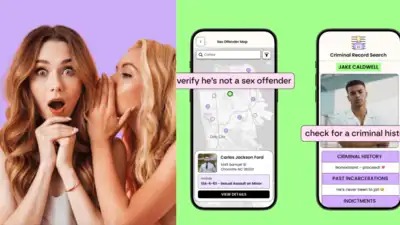
Inside Tea: The App Letting Women Rate Men Anonymously
The Tea App Review: Safety Tool or Privacy Hazard in Women’s Dating?

Tea, a women-only dating safety app, has surged to #1 on the U.S. App Store, amassing 4 million users since its 2023 launch. Founded by tech executive Sean Cook after his mother’s traumatic catfishing experience, Tea promises tools to “verify green-flag men” and combat dating risks. But amid viral adoption and a severe data breach, critics question its ethical and legal implications. This review examines whether Tea delivers safety or enables privacy violations.
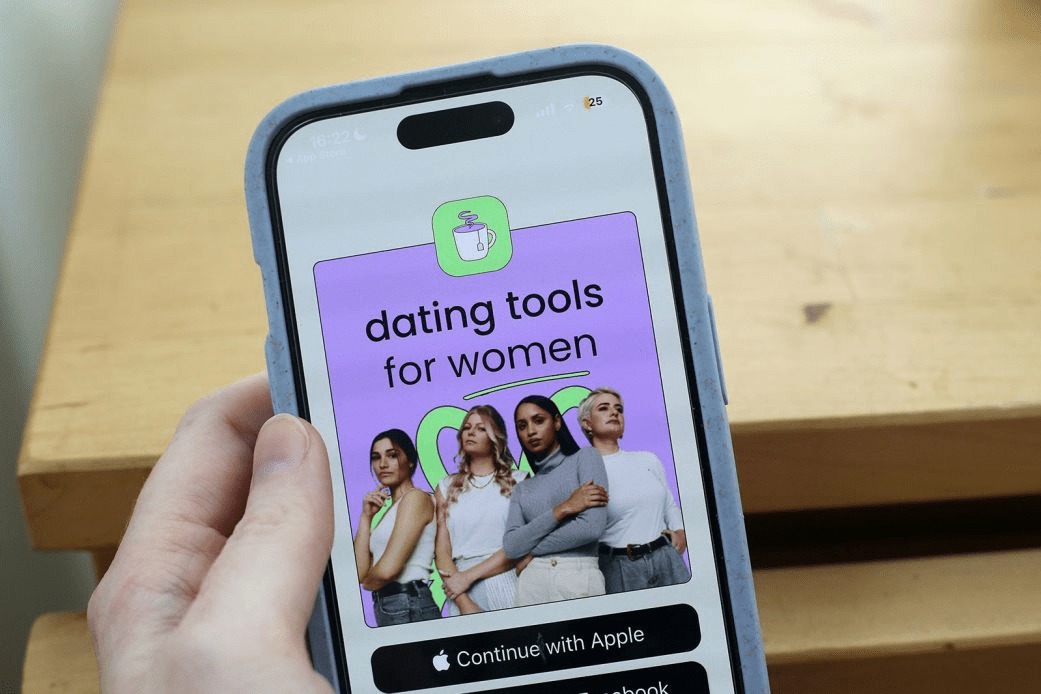
Key Features
Tea combines AI-driven background checks with anonymous community forums. Users submit a selfie and ID for gender verification (using facial analysis AI), then access:
-
Reverse Image Search: Scans for catfishing by comparing men’s dating profile photos to public databases.
-
Background Checks: Cross-references phone numbers for hidden marriages, criminal records, and sex offender registries.
-
“Tea Party” Group Chat: An anonymous space to share dating experiences, rate men with flags, and request “tea” (gossip) on potential matches.
The app blocks screenshots and anonymizes usernames. Subscription tiers ($15/month) unlock unlimited searches and advanced checks.
Performance and Usability
Tea excels in centralizing background checks. One user discovered a match had “20 red flags, including assault allegations,” via a single search. Its interface simplifies reverse image lookups and criminal record scans tasks, typically requiring multiple apps. However, the verification process faces delays due to high demand, with users reporting wait times of “days” for approval.
The July 2025 data breach exposed 72,000 images, including 13,000 IDs and private messages. Cybersecurity experts condemned Tea’s “unsecured database” and “failure to follow basic encryption protocols,” enabling 4Chan users to leak sensitive data.
The Pros: Safety and Community
-
Risk Mitigation: Tea identifies predators, married users, and catfishers efficiently. Domestic violence nonprofits receive 10% of profits.
-
Anonymity: Users operate pseudonymously, reducing retaliation fears.
-
Collective Vigilance: The forum allows real-time warnings, mirroring Facebook groups like “Are We Dating the Same Guy?” but with integrated verification tools.
The Cons: Privacy and Ethical Risks
-
Non-Consensual Profiling: Men cannot remove profiles unless they email support with “proof.” False accusations spread rapidly, with one Reddit user lamenting, “They got me, fellas—time to move”.
-
Legal Gray Zones: While defamation suits are possible, U.S. law shields apps under Section. Attorney William Barnwell notes, “Truth is an absolute defense,” making litigation challenging unless posts are provably false.
-
Security Failures: Legacy systems stored IDs against policy, enabling breaches. Experts warn leaked data could fuel “deepfakes or fraud.
The Verdict: Who Is Tea For?
Tea serves women seeking preemptive protection in high-risk dating scenarios. Its background tools offer legitimate safety value, particularly for users vetting strangers. However, its anonymous model invites misinformation, and its privacy breaches demand caution.
Ideal for: Women prioritizing physical safety over digital ethics, especially in casual dating.
Avoid if: You value data security or oppose unregulated digital profiling.
Until Tea implements end-to-end encryption, stricter content moderation, and opt-out mechanisms for profiled men, it remains a polarizing and precarious solution.
Subscribe to my whatsapp channel

Comments are closed.