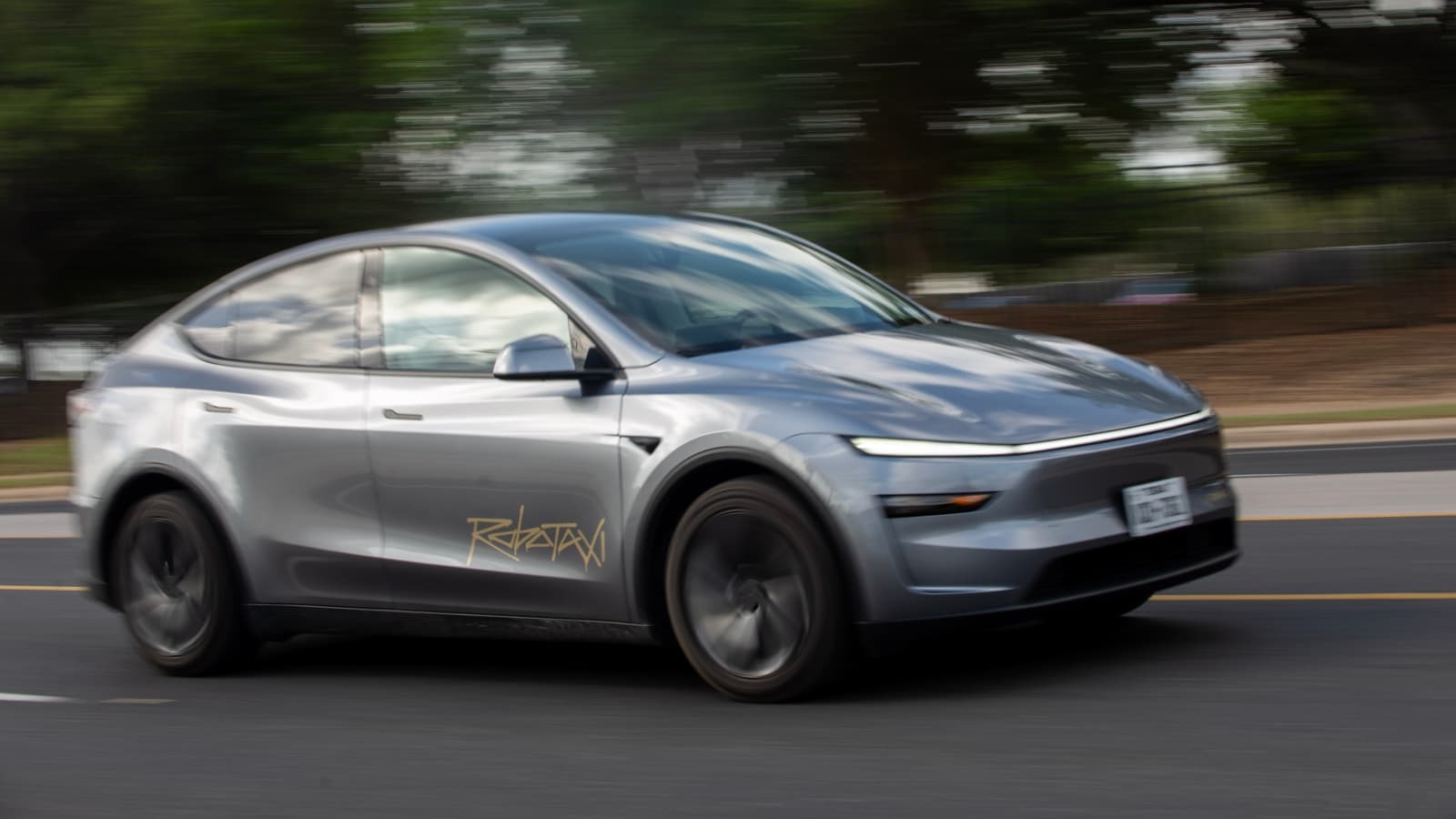
Tesla Robotaxi Expansion Requires Human Drivers in California, Regulators Say
Tesla’s California Robotaxi Expansion Hits Regulatory Roadblocks Amid False Advertising Lawsuit

Tesla CEO Elon Musk announced plans this week to expand the company’s fledgling robotaxi service to the San Francisco Bay Area and other U.S. markets. However, California regulators swiftly countered that Tesla lacks authorization to operate autonomous vehicles in the state, dealing a double blow as the automaker simultaneously battles a high-stakes lawsuit over alleged false advertising of its driver-assistance systems.
The California Public Utilities Commission (CPUC) confirmed Tesla only holds a “charter-party carrier permit,” which permits human-driven chauffeur services akin to limousines or private shuttles, not autonomous operations. “Tesla is not allowed to test or transport the public in an AV [autonomous vehicle] with or without a driver,” the CPUC stated. Any Bay Area service must feature “a driver” in control at all times. Tesla notified regulators it will initially offer rides to “friends and family of employees and select members of the public” using safety drivers under its existing permit.
Regulatory Reality Versus Musk’s Vision
Musk’s announcement during Tesla’s Q2 earnings call suggested imminent regulatory approvals for robotaxis. Yet internal communications reviewed by Reuters confirm the Bay Area rollout will rely on Tesla’s “Full Self-Driving (Supervised)” software with human safety drivers, a stark contrast to Waymo’s permitted driverless operations. Unlike Alphabet’s subsidiary, which spent nine years securing California permits after 13 million test miles, Tesla lacks both the CPUC license for autonomous ride-hailing and DMV authorization for driverless testing.
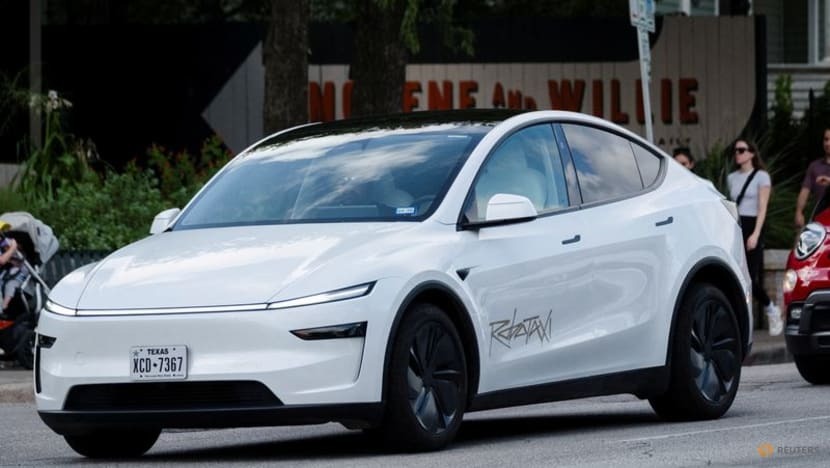
“The next step for Tesla would be to apply for a CPUC license for autonomous vehicles to pick up passengers with a safety driver,” regulatory analysts noted. Even then, the company could not charge fares during the initial pilot phase.
DMV Seeks Suspension of Tesla’s Sales License
The robotaxi limitations coincide with a critical legal showdown at California’s Office of Administrative Hearings in Oakland. The state’s Department of Motor Vehicles (DMV) is seeking to suspend Tesla’s license to sell vehicles in California for at least 30 days, alleging years of deceptive marketing around “Autopilot” and “Full Self-Driving” (FSD) systems.
The DMV argues Tesla’s branding and promotional language—including claims vehicles could navigate “with no action required by the person in the driver’s seat” misled consumers into believing cars were fully autonomous. In reality, Tesla’s technology qualifies as Level 2 automation, requiring constant driver supervision. As UC Berkeley Professor Scott Moura testified, “Their FSD tech corresponds to Level Two, not Level Five. Thus, one can argue it is misleading”.
During testimony, DMV Commander-Sergeant Melanie Rosario highlighted contradictory messaging: “To me, ‘Autopilot’ means it can drive itself… yet fine print says stay attentive. That’s conflicting”.
Safety Incidents Fuel Legal Pressure
The DMV’s case cites 58 deaths linked to Tesla’s systems, including the 2018 fatal crash of Apple engineer Walter Huang and a 2022 Bay Bridge pileup caused by sudden braking. Parallel federal investigations by the National Highway Traffic Safety Administration (NHTSA) examine hundreds of collisions involving Autopilot, including 13 fatalities and widespread “phantom braking” incidents.
“These lies have killed people. They’re going to kill a lot more,” activist Shua Sanchez declared at protests outside the Oakland hearings.
Tesla maintains it has consistently warned drivers to monitor vehicles, arguing in court filings that its disclaimers counter any misinterpretations. Attorney Matthew Benedetto emphasized, “Cars with Full Self-Driving capabilities are currently not capable of driving themselves”.
Broader Implications for Automated Driving
The outcomes carry existential stakes for Tesla. California accounts for approximately 30% of U.S. EV sales—Tesla’s largest domestic market. A 30-day sales suspension could devastate quarterly deliveries amid already declining sales. Legally, the cases may reshape automotive marketing nationwide.
“Even if Tesla defeats this lawsuit, it’s not in the legal clear; it still faces courts elsewhere,” said Santa Clara University law professor Eric Goldman. Rulings could establish precedent on whether automakers bear responsibility for driver misuse stemming from branding.
Subscribe to my whatsapp channel

Comments are closed.