
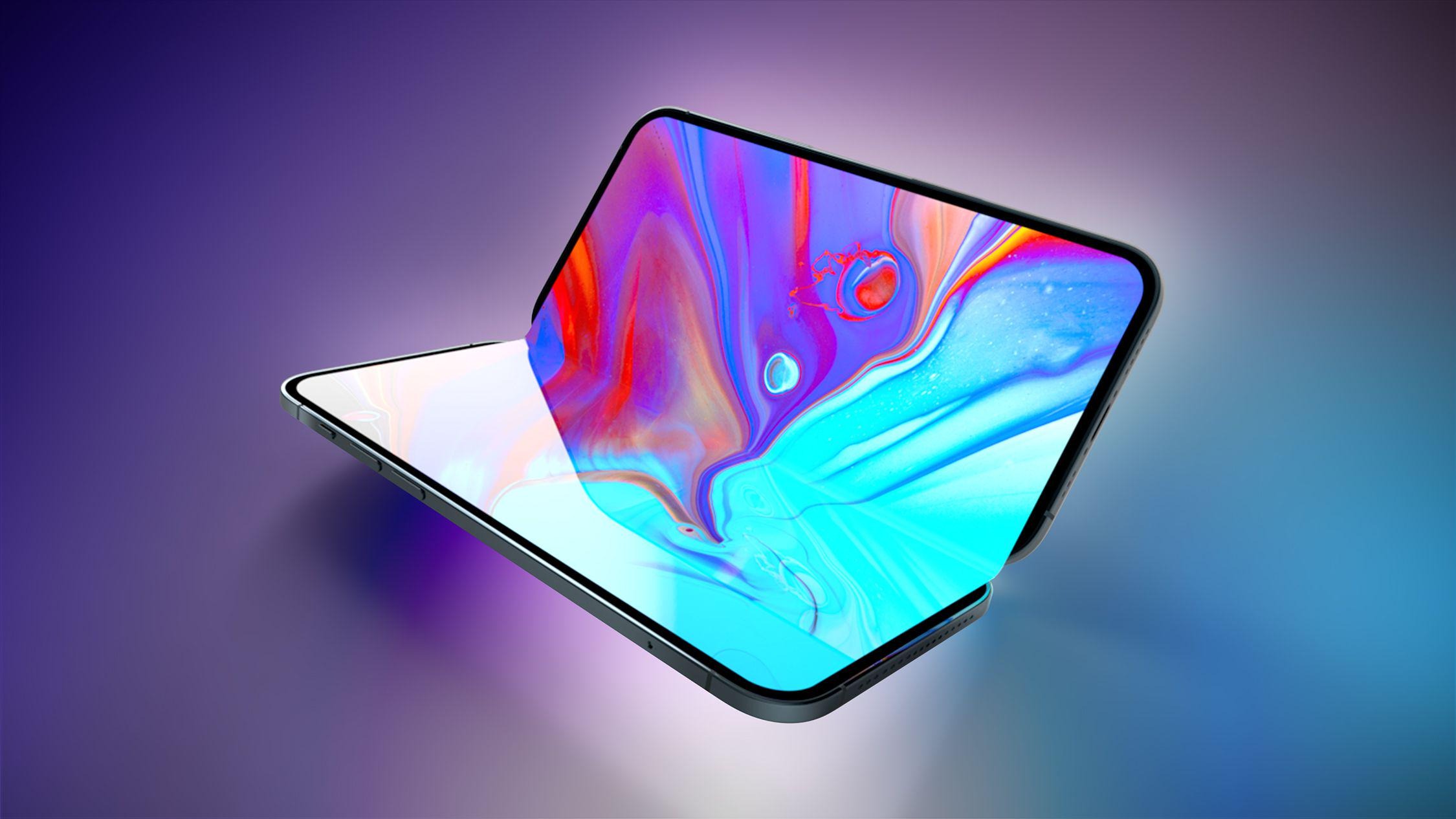
Apple Targets Late 2026 for Foldable iPhone Launch After Samsung’s Foldable Breakthroughs
Apple Targets Late 2026 for Its First Foldable iPhone After Samsung’s Success

Apple’s long-anticipated foldable iPhone is now targeting a late 2026 release, positioning it years behind Samsung’s dominant Galaxy Z series but strategically timed as foldable technology matures. According to industry sources, Apple waited for critical innovations, including durable hinges, cost-effective manufacturing, and crease-free display, to reach mass-market readiness before finalizing its entry. The move follows Samsung’s successful Galaxy Z Fold 7 and Z Flip 7 launches, which set new benchmarks for slim designs, durability, and AI integration in foldables.
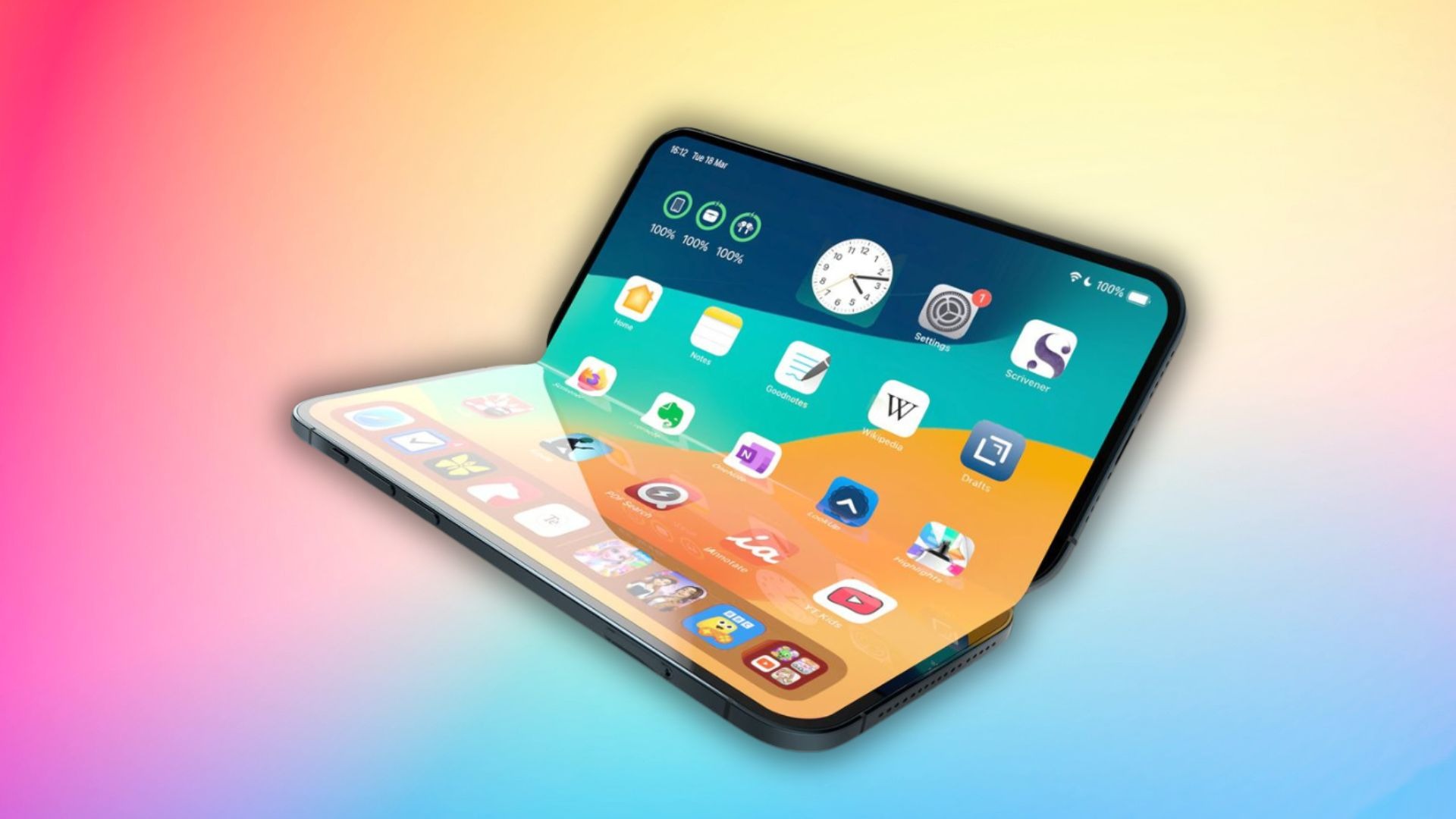
Samsung’s Market Foundation
Samsung’s 2025 foldables, unveiled in July, established a high bar for Apple to challenge. The Galaxy Z Fold 7 became the thinnest book-style foldable device ever, measuring just 4.2mm when unfolded (8.9mm when folded), and weighing 215g. Its redesigned Armor FlexHinge reduced visible creasing and passed 500,000-fold durability tests, a 2.5x improvement over 2024 models. Meanwhile, the Z Flip 7 refined the clamshell format with a larger 4.1-inch cover screen and optimized Gemini Live AI for real-time assistance. Both devices validated mainstream demand for foldables, with Samsung dominating 80% of the global market.
Apple’s Display Gambit
Central to Apple’s foldable is a rumored partnership with Samsung Display for a “crease-free” 7.8-inch OLED main panel paired with a 5.5-inch outer screen. This addresses a key pain point Samsung only recently mitigated. While the Z Fold 7’s hinge and titanium lattice significantly minimized creasing, its display still showed subtle indentations. Apple’s solution reportedly uses advanced polymer layers and pixel-shifting tech to eliminate the crease, a feat requiring yields Samsung’s factories can now achieve. “Samsung Display’s breakthroughs in ultra-thin, flexible OLEDs are the only reason Apple’s project is viable,” notes display analyst Raymond Lee of TechInsights.
Durability and Cost Hurdles
Apple’s delay also reflects challenges in balancing durability and cost. Early foldables faced criticism for fragile screens and $1,800+ price tags. Samsung’s IP48-rated Z Fold 7 and Z Flip 7 proved water resistance and hinge resilience could coexist with slim designs, but repairs remain costly, up to $294 for inner-screen fixes. Apple aims for a sub-$1,600 entry price by late 2026, leveraging scale and simplified hinge designs. “Apple won’t launch until its foldable survives 10,000 drop tests and three years of daily use,” claims supply chain engineer Lisa Chen.
Strategic Timin
The late 2026 launch aligns with projected foldable market growth. IDC estimates shipments will surge from 30 million in 2025 to 100 million by 2027. By entering then, Apple skips early adoption pains but capitalizes on component cost declines and consumer familiarity. “Apple isn’t first; it’s right,” says Tech Advisor’s Dominik Tomaszewski. “They’ll refine what Samsung pioneered: slimmer profiles, crease-free screens, and ecosystem integration”.
Samsung’s dominance gives it a head start, but Apple’s strengths in software optimization and accessory integration (e.g., Apple Pencil support) could redefine expectations. However, Samsung’s seven-year software support and multimodal AI in One UI 8 set high precedents. “Apple must deliver more than a folding iPhone,” warns CCS Insight analyst Leo Sun. “It needs a seamless iOS foldable experience, something even Samsung is still refining”.
Subscribe to my whatsapp channel

Comments are closed.