
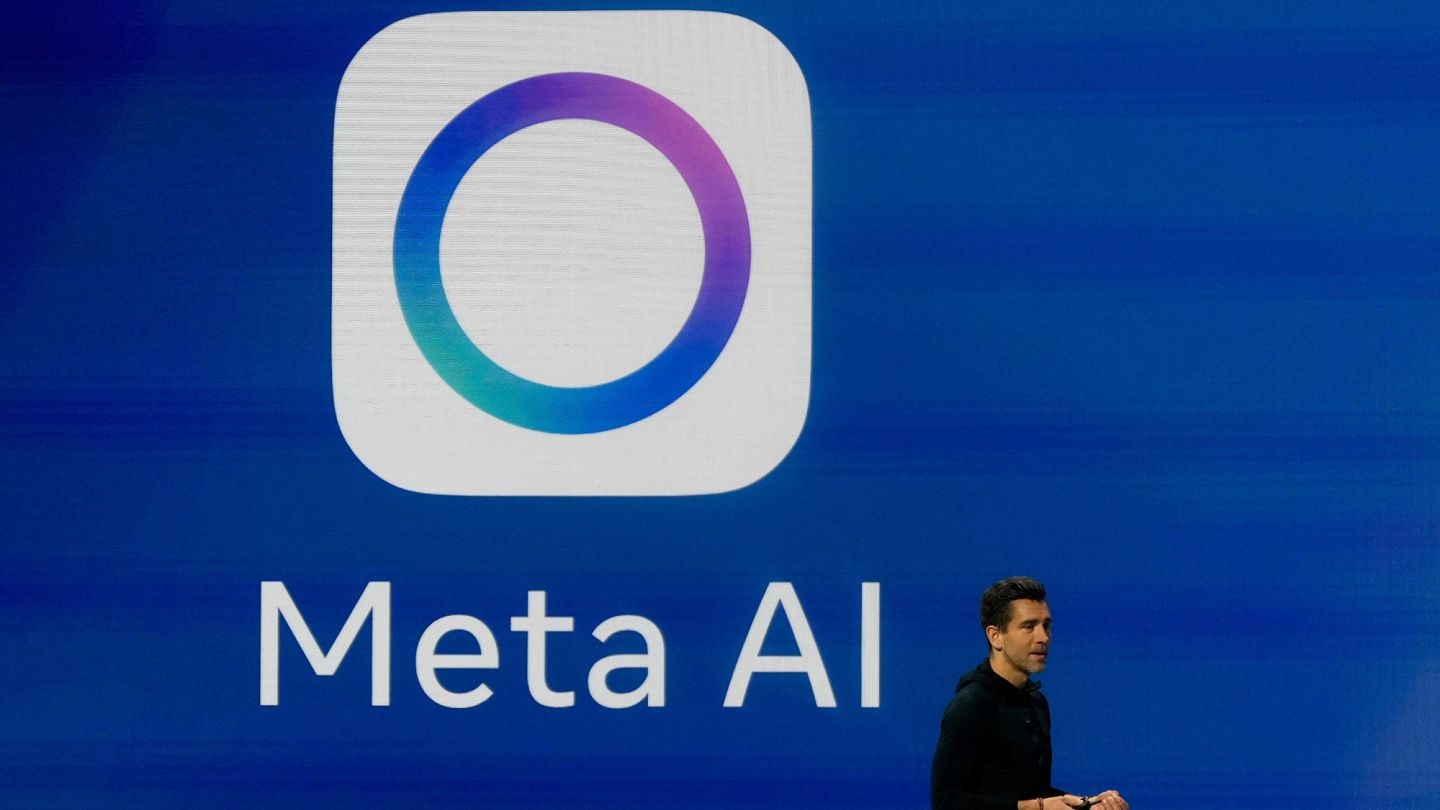

Italy’s competition authority, the Autorità Garante della Concorrenza e del Mercato (AGCM), has launched a formal antitrust investigation into Meta Platforms, alleging the tech giant abused its dominant market position by integrating its Meta AI chatbot into WhatsApp without user consent. The move signals escalating European scrutiny over Big Tech’s expansion into artificial intelligence.
Officials raided Meta’s Italian offices on July 29 alongside the announcement, underscoring the probe’s severity. The AGCM, acting “in close cooperation with the European Commission,” contends that Meta violated EU competition rules by embedding its AI tool directly into WhatsApp’s interface in March 2025. The assistant appears automatically in WhatsApp’s search bar, giving it prime digital real estate.

The Core Conflict: Market Power vs. Fair Competition
At the heart of the investigation is whether Meta leveraged WhatsApp’s massive user base, particularly dominant in Italy, to sidestep competitive markets. Regulators argue this “forced” integration steers users toward Meta’s AI services not through superior technology, but via unfair market advantages.
“By pairing Meta AI with WhatsApp, Meta appears to be able to steer its user base into the new market not through merit-based competition, but by ‘forcing’ users to accept the availability of two distinct services,” the AGCM stated. This could trigger “lock-in,” where users become dependent on Meta AI, eroding rivals’ opportunities.
Meta defended the integration, telling regulators: “Offering free access to our AI features in WhatsApp gives millions of Italians the choice to use AI in a place they already know, trust, and understand.” The company confirmed it is cooperating fully with authorities.
Legal Stakes and Broader Implications
The case falls under Article 102 of the Treaty on the Functioning of the European Union (TFEU), which prohibits dominant firms from imposing unfair trading conditions. If found guilty, Meta risks fines up to 10% of its global annual revenue, a potential multi-billion-dollar penalty given Meta’s $134.9 billion revenue in 2023.
Legal experts note the probe reflects Europe’s hardening stance on tech giants blurring service lines. “This isn’t just about consent, it’s about whether tech titans can use established monopolies to dominate emerging markets,” said Dr. Elena Rossi, an antitrust scholar at Bocconi University. “If regulators succeed, it could force structural separations between platforms and their AI products.”
The investigation aligns with broader EU efforts to rein in Big Tech through the Digital Markets Act (DMA), which designates “gatekeeper” firms and restricts self-preferencing. Meta’s separate refusal to sign the EU’s voluntary AI Code of Practice earlier this month amplified regulatory tensions.
Global Regulatory Momentum
Italy’s move coincides with parallel Meta scrutiny worldwide:
-
Ireland’s Data Protection Commission is reviewing Meta AI’s data practices
-
Germany recently fined Meta €5,000 per user for illegal data tracking
-
The U.S. FTC is pursuing a landmark case seeking Instagram/WhatsApp divestitures
Privacy advocates further note that embedding AI in encrypted messaging apps creates ethical tensions. “WhatsApp sells itself on privacy, yet this AI integration risks making user interactions training data by default,” said Alessandro Tonutti of digital rights group Mediasenzafiltro.
The AGCM’s findings could redefine how tech giants roll out AI features in Europe. Options like mandatory opt-in installation, rival service integrations, or even functional separation between WhatsApp and Meta AI could emerge as remedies.
For now, Meta continues expanding its AI features globally despite European headwinds. As markets digest the probe’s implications, Meta shares traded flat Wednesday, suggesting investors see this as another cost of regulatory compliance rather than an existential threat.
The outcome may ultimately hinge on whether courts view AI assistants as independent markets, a frontier where regulators are racing to catch up with innovation. As one Brussels-based antitrust lawyer noted anonymously: “This case will test whether 20th-century competition rules can contain 21st-century technology.”
Subscribe to my whatsapp channel

Comments are closed.