
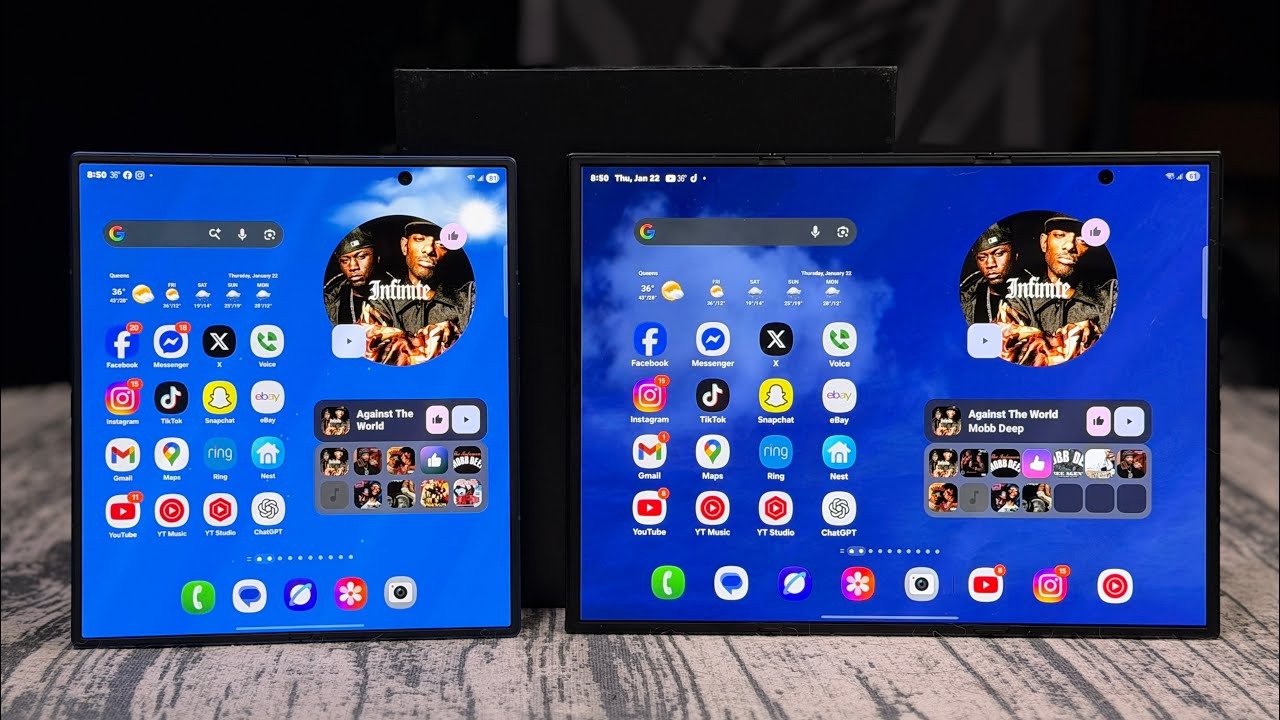
Samsung Galaxy Z TriFold Review: A Genuinely Impressive Phone That Was Never Really Meant for You
Samsung's Most Ambitious Phone Ever — Brilliant Engineering, Sky-High Price, and Gone in Three Months

The Samsung Galaxy Z TriFold is an Android-based tri-folding smartphone that folds twice to reveal a 10-inch inner display, with a 6.5-inch cover screen for use when closed. Think of it as a phone that, when fully opened, becomes a small tablet you can hold in your hands. It is not a concept device, it is a real product that feels surprisingly mature, even if Samsung ultimately treated it like a limited-edition collectible.
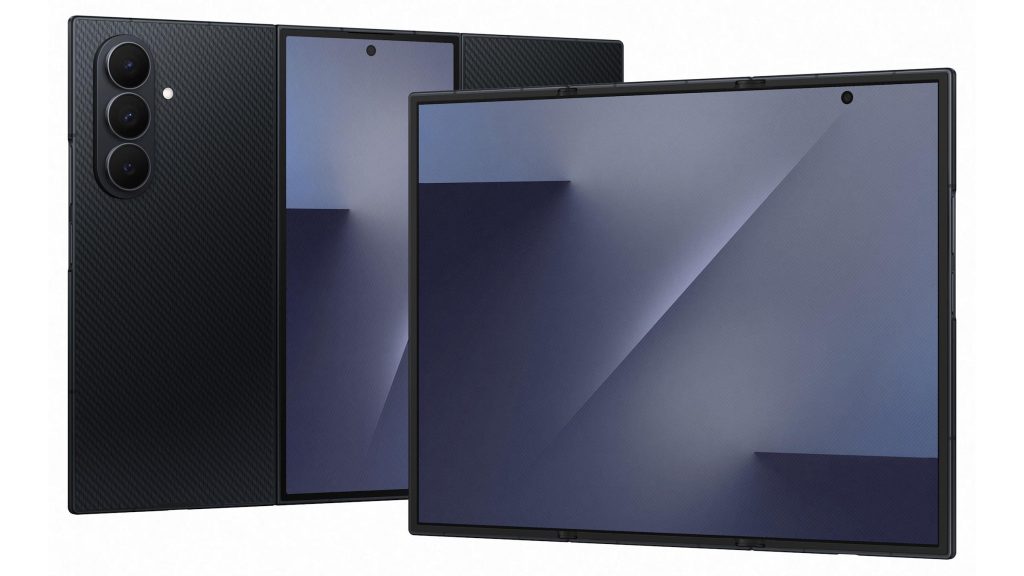
The device measures just 3.9mm at its thinnest point when unfolded, which is remarkable engineering for something with two hinges and three display panels. It runs Android 16 with One UI 8, is powered by Qualcomm’s Snapdragon 8 Elite chip, and comes with 16GB of RAM and up to 1TB of storage.
Key Features, Explained Simply
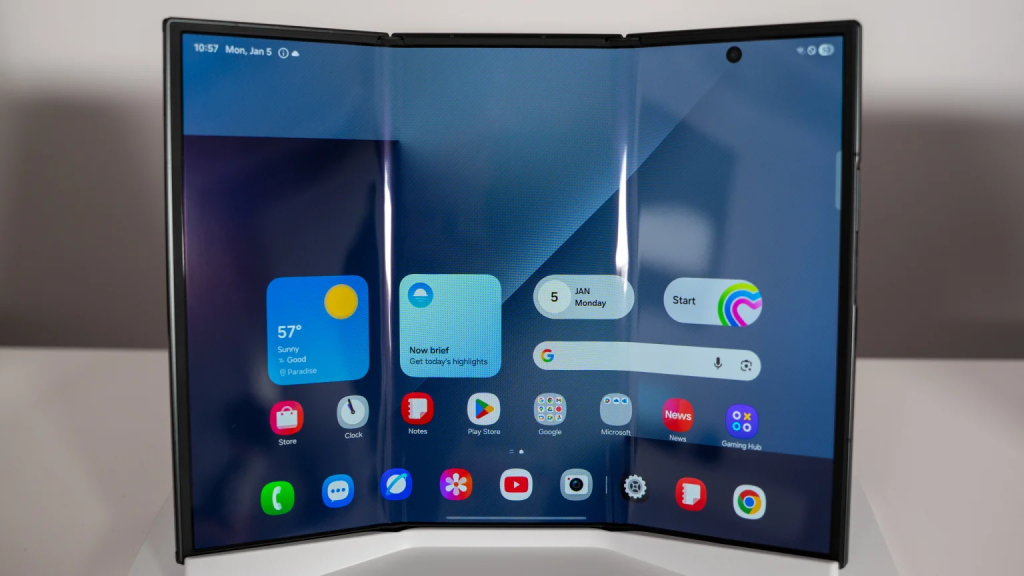
The display is the main attraction. The main screen runs at up to 1,600 nits of peak brightness, while the cover screen hits 2,600 nits — both are adaptive, adjusting automatically based on your environment. The size of the inner screen makes it genuinely useful for reading documents, running multiple apps at once, or watching video without squinting.
Multitasking is where the trifold form factor earns its keep. Samsung highlights the ability to run three different portrait-sized apps side by side, which sounds gimmicky until you are actually switching between a document, a browser, and a messaging app at the same time.
The battery is the largest Samsung has put in any foldable phone to date. The 5,600 mAh three-cell system has one battery behind each panel, designed for balanced power delivery, and pairs with 45W wired charging, 15W wireless charging, and 4.5W reverse wireless charging.
The camera matches Samsung’s Z Fold 7 hardware. The camera system is the same as the Galaxy Z Fold 7, which means it is capable but not differentiated from what Samsung’s other flagship foldables already offer.
AI features follow Samsung’s broader Galaxy AI strategy. These include Gemini Live for real-time conversation, Writing Assist, Transcript Assist, and Generative Edit for photo manipulation.None of these are exclusive to the TriFold.
Real-World Usefulness
For anyone who regularly works on a phone — reading long documents, reviewing presentations, doing video calls, or editing content on the go — a 10-inch screen that still fits in a jacket pocket is a genuinely compelling idea. It bridges the gap between smartphone and tablet in a way a regular foldable does not quite manage.
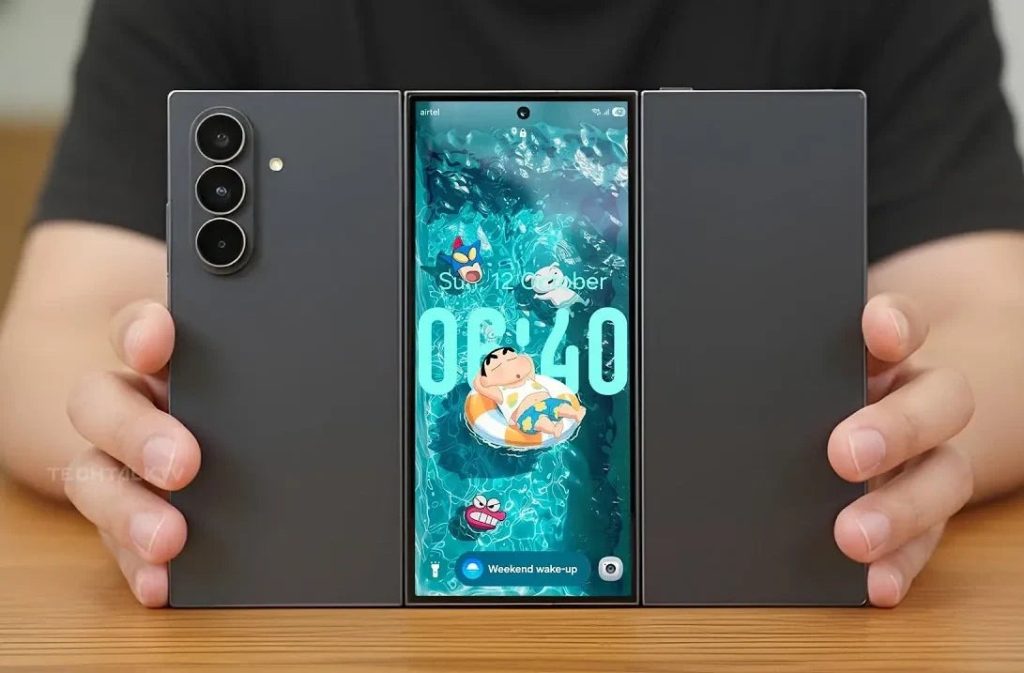
That said, there are real trade-offs that affect daily use. The TriFold weighs almost 100 grams more than the Z Fold 7 and measures 12.9mm thick when folded, making it noticeably less comfortable to hold and pocket than either a regular smartphone or even a standard foldable. If you were expecting something that disappears into your pocket like a normal phone, this is not that.
The hinge system feels durable and reassuring — it does not give off a “be careful with me” vibe — but the mechanical complexity is still a real consideration. Two hinges are more prone to damage than one, and early reports from users flagged durability concerns, with some screen issues prompting Samsung to offer refunds or repairs.
The Elephant in the Room: Price and Availability
The Galaxy Z TriFold launched at $2,899 in the US — making it one of the most expensive Android phones ever sold through a mainstream brand. And that price came with a catch: the TriFold was never available on Amazon, Best Buy, or through carriers. If you wanted one, you had to buy directly from Samsung’s website.
Samsung initially produced only around 20,000 to 30,000 units globally, and every batch has sold out quickly. The result is that the device now fetches significantly inflated prices on secondary markets, with listings in some cases reaching far beyond the original retail price — making it effectively inaccessible for most people who are even interested.
Why It Was Discontinued — and What That Means
Samsung confirmed it was winding down sales after roughly three months, describing the device as more of a “technological showcase” than a cornerstone of its mobile lineup.The production costs were sky-high — especially for the display, DRAM, and NAND flash, making it extremely difficult for Samsung to turn a profit even at that $2,899 price point. Reports suggest Samsung may have been selling units at a loss.
Samsung is rumored to be working on a Galaxy Z TriFold 2, which could arrive as early as mid-2027, but nothing has been confirmed. A second generation would need to address the price, weight, and durability issues to have a broader market appeal.
Who Should Consider It (And Who Should Not)
This phone makes sense if you:
- Specifically want the largest possible mobile screen that still folds flat
- Use your phone as a workspace replacement and have a need for multitasking at tablet scale
- Are an early adopter who accepts the trade-offs of first-generation hardware
- Have the budget and are fully aware this is a collectible-tier device with limited software future
This phone does not make sense if you:
- Want a durable, long-term daily driver with mainstream support
- Expect trade-in options, carrier financing, or Samsung Care+
- Would be equally well served by the Galaxy Z Fold 7 at roughly $1,000 less
- Are bothered by carrying a heavier, thicker device throughout the day
Bottom Line
The Galaxy Z TriFold is a genuine engineering achievement, a proof of concept that actually works. Its 10-inch trifold display is impressive in use, the hardware is top-tier, and it shows a real vision of what mobile productivity could look like. But Samsung built it as a statement, not a product for the mainstream. The high price, limited availability, durability concerns, and three-month commercial lifespan all tell the same story: this is a device that shows what is possible, not one that is fully ready for how most people live and use their phones. If you are interested in the category, the more practical advice is to wait and see what a potential second generation looks like , with, hopefully, a more reasonable price and a longer commitment from Samsung.
Subscribe to my whatsapp channel
