

Starlink Users Now Pay $5 to Pause Service—Here’s Why
Starlink Ends Free Service Pause, Introduces $5 Monthly Standby Fee

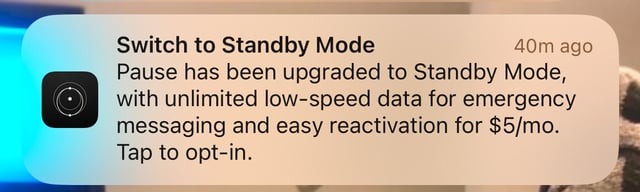
SpaceX’s Starlink has eliminated its popular free service pause option, replacing it with a paid “Standby Mode” costing $5 per month. The move, which began notifying U.S. users on August 13, mandates that customers on Roam, Residential, or Priority plans must either enroll in Standby or cancel their lines entirely. Previously, users could pause billing during inactive months a key selling point for seasonal travelers and backup internet users. Now, discontinuing service risks losing plan eligibility or facing reactivation hurdles.
What Standby Mode Offers
Standby Mode provides unlimited data at severely throttled speeds of 0.5 Mbps for downloads and uploads—enough for basic texting, email, or emergency communications but unsuitable for streaming or video calls. While Starlink markets this as an “upgrade” due to low-speed data access during pauses, users report inconsistent performance, often below advertised thresholds. European subscribers receive a slightly better deal: €5 5/month includes 5GB of high-speed data before throttling.
Customer Backlash and Support
The shift has sparked outcry, particularly among Starlink Mini ($499 portable dish) owners who relied on free pauses for infrequent travel. Many accuse Starlink of a “bait-and-switch” tactic, noting the $60 annual Standby fee negates the “pay-as-you-go” promise. “I only need service for two months a year. Now I pay for nothing?” questioned one user on social media.
Conversely, some users welcome Standby for low-cost backup connectivity. “It’s a godsend for my emergency telemetry,” shared a Reddit user, highlighting its utility for IoT devices or navigation systems during storage.
Hidden Impacts: Plan Removals and Capacity Risks
Simultaneously, Starlink removed its $10/month Roam 10GB plan, a budget option introduced just months ago—leaving occasional users without affordable high-speed alternatives. Existing 10GB subscribers will likely auto-transition to Standby.
Residential users face unique risks: Pausing via Standby forfeits spot reservation in capacity-constrained areas. Reactivating may require switching to pricier Roam ($50–$165/month) or Priority plans, or waiting indefinitely for Residential availability.
Strategic Shifts and Competition
Industry analysts suggest the change aims to boost revenue from inactive users. As Starlink discounts Residential hardware and service in some regions (e.g., $99/month vs. $120), it appears to prioritize subscriber growth in competitive markets. The company also hints at future Roam activation fees, potentially closing a loophole where users cancel/reactivate to avoid Standby charges.
“Starlink is betting customers will accept fees for convenience,” said tech analyst Miriam Keung. “But alienating mobile users as Amazon’s Project Kuiper looms? That’s risky.”
Subscribe to my whatsapp channel

Comments are closed.