
Tim Cook to Step Down as Apple CEO, Passing the Baton to Hardware Chief John Ternus
After 15 years at the helm, Cook transitions to executive chairman, entrusting the future of the world's most valuable company to a 25-year engineering veteran.

When Tim Cook finally sets down the day to day burden of running Apple on September 1, he will have done something few thought possible when he took the job in 2011. He didn’t just fill the shoes of a visionary. He made the shoes bigger. He took a company that was already a cultural force and turned it into a financial instrument of almost unfathomable scale. But the story of Apple’s next chapter is no longer about operations or supply chain optimization. It is about the physical devices we hold in our hands. And for that, the company is turning to a man who has spent a quarter of a century arguing over the precise groove count on the back of a screw.
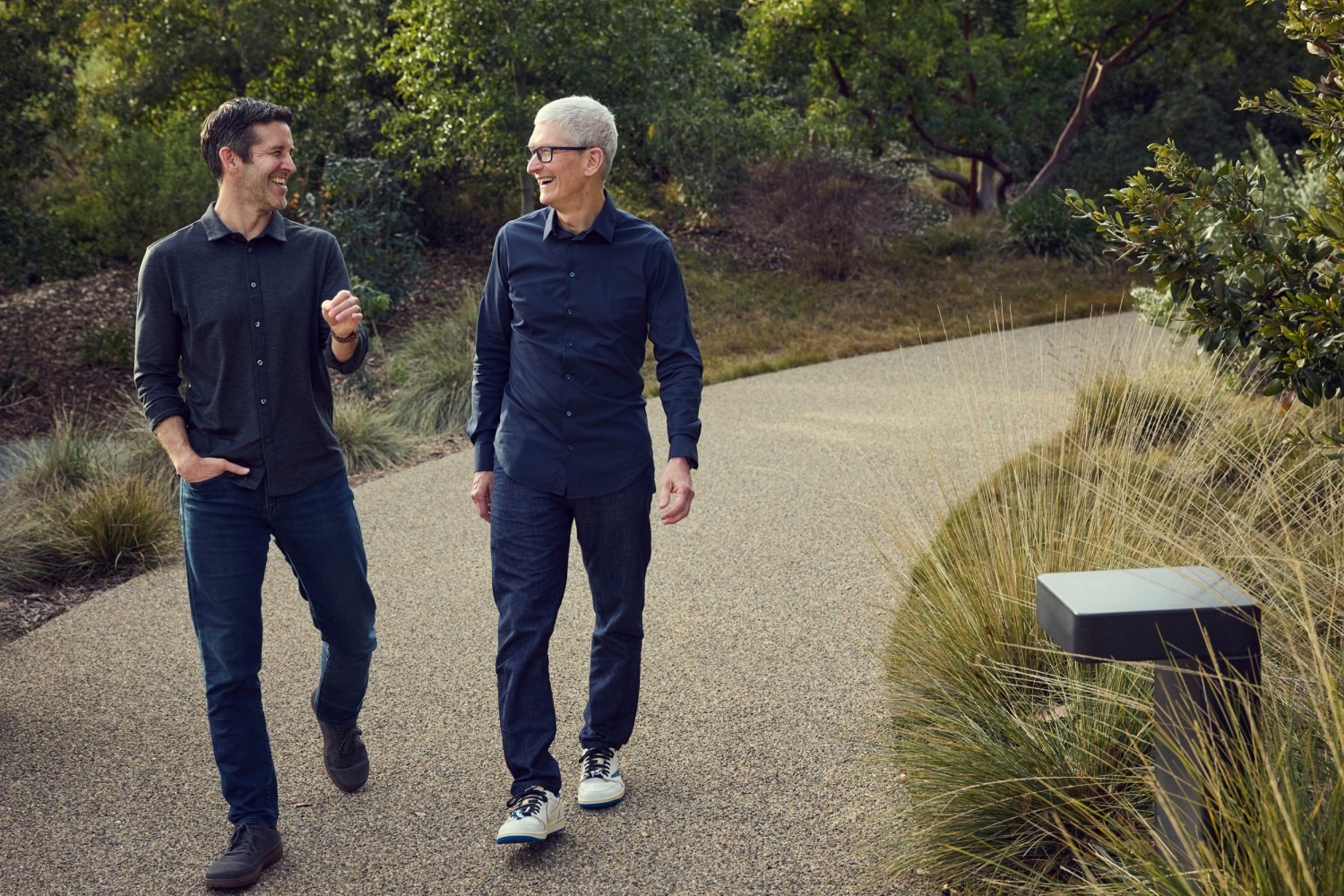
Apple announced this morning that Cook will transition to the role of executive chairman of the board. Current Senior Vice President of Hardware Engineering, John Ternus, will become CEO.
This is a carefully choreographed handoff, and in many ways, it is a return to form for Apple. For the last fifteen years, Apple has been defined by Tim Cook’s steady, deliberate, and private demeanor. He was the operations wizard who made sure you got your iPhone on launch day. He navigated trade wars with China and a global pandemic without breaking a sweat. But the world has changed around Apple. The conversation in tech has moved from the App Store to the data center, from iOS updates to AI model training. With this move, Apple’s board seems to be signaling that the company’s immediate future lies in the atoms of hardware, not just the bits of software.
Why Ternus, and Why Now?
If you don’t work in industrial design or read Apple’s executive biographies for fun, John Ternus is likely a new name. He is the anti-Musk. He does not tweet, he does not give rambling interviews, and he does not appear on stage unless he is holding a new piece of aluminum or glass. That is exactly the kind of leader Apple wants right now.
Ternus joined Apple in 2001, the year the iPod was released, and he has been quietly influential ever since. His reputation inside Cupertino is that of a detail freak, but in the most constructive sense. He came up through the product design ranks, a realm where you have to care deeply about things that customers cannot articulate but can certainly feel. The weight distribution of a phone. The smoothness of a hinge. The quiet thud of a laptop lid closing. These are Ternus’s concerns.
He is perhaps best known for leading the engineering of the first generation of Apple Silicon Macs. That transition was a logistical nightmare and a technical marvel. It required the hardware team to build machines around chips that didn’t exist yet while simultaneously keeping the old Intel lineup selling. He pulled it off. In the process, he proved he could manage a transition that was, in its own way, as risky as the one he’s walking into now.
The timing is critical. Apple is not in a crisis, but it is in a stall. The Vision Pro headset has been a commercial disappointment, a rare whiff for a company that usually forces its vision on the public whether they like it or not. Meanwhile, the company has been caught flat footed by the speed of generative AI, recently ceding ground by striking a deal to integrate Google’s Gemini into Siri. There is a growing sense that Apple needs a chief executive who lives and breathes product, someone who might see a path out of the AI wilderness through a new kind of device rather than just a new software feature.
The Cook Legacy in a New Role
For those worried that Apple will lose its moral compass or its institutional memory, the new role of executive chairman ensures that Cook is not leaving. He’s just moving upstairs. In this capacity, he will likely remain the face of Apple to Washington, D.C., and Beijing. He will handle the geopolitical chess game that he has mastered so well. He will guard the company’s stance on privacy and the environment.
But the daily grind of product roadmap reviews and the “what’s next” anxiety will belong to Ternus. In his farewell message to the Apple community, Cook emphasized the strength of the team he leaves behind and the continuity of the mission. “I have been lucky to have worked under Steve and to have had Tim as my mentor,” Ternus said in a brief statement.
This is not a dramatic ouster. It is the closing of a long, fruitful chapter. The book isn’t over. But the writing style is about to change. For a company that has thrived on precision engineering, placing an engineer in the corner office on September 1 feels like the most logical, and perhaps most necessary, move in years.
Subscribe to my whatsapp channel
