
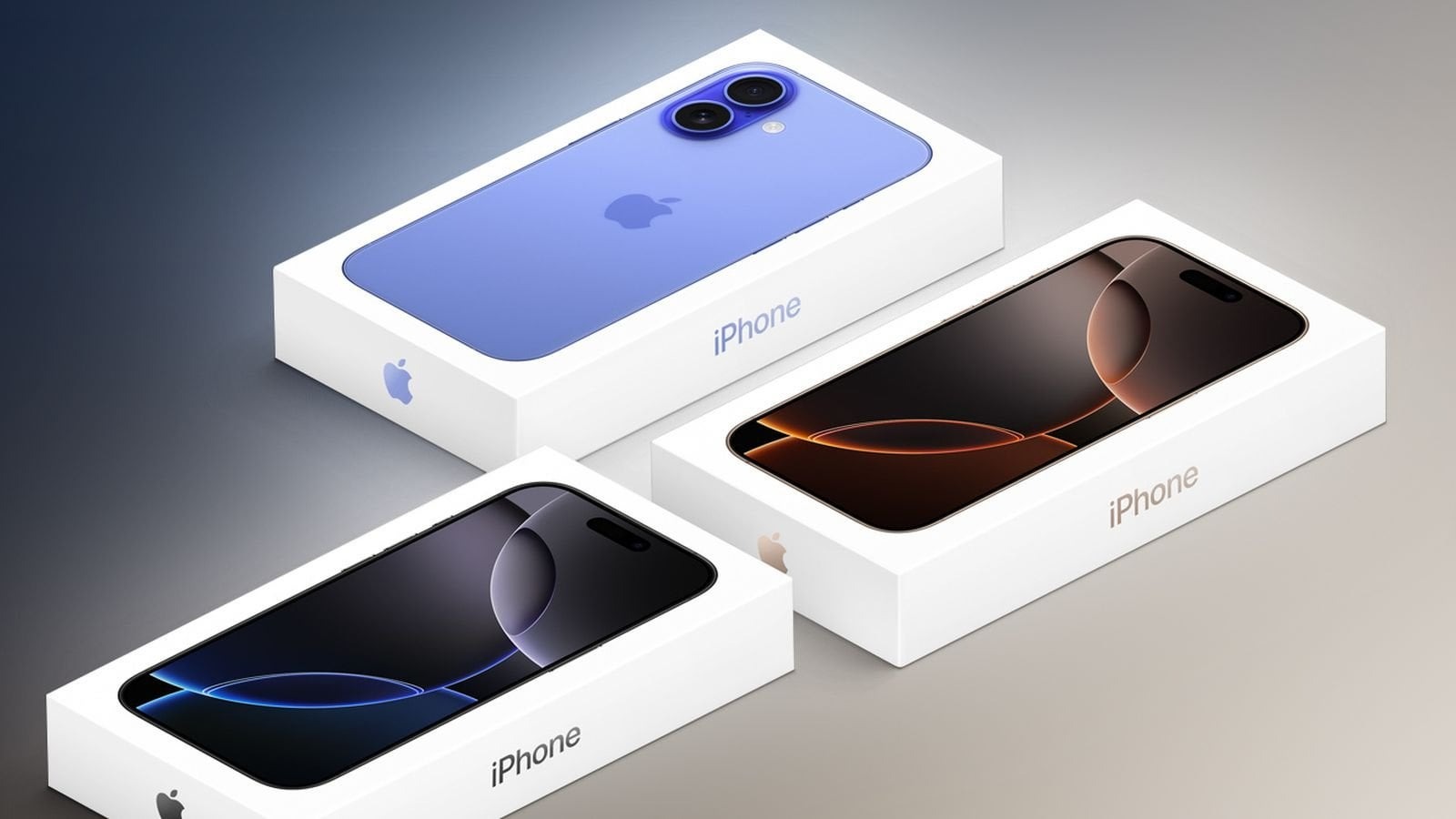
Why Your Next iPhone Could Cost $50 More
Why Your Next iPhone Could Cost More: Apple’s Price Hike Strategy Revealed

As Apple prepares to launch the iPhone 17 this September, consumers face the prospect of higher prices driven by global trade tensions. Analysts and supply chain sources indicate the company plans to increase prices by 4–6% on most models, translating to a $50 jump for premium Pro variants, while keeping the base model at $799. This strategic move aims to offset a persistent 20% U.S. tariff on iPhones assembled in China, which Apple has absorbed until now.
The Tariff Tightrope
President Donald Trump’s administration imposed sweeping tariffs on imports from China, India, and Vietnam, countries critical to Apple’s supply chain. While smartphones temporarily escaped the steepest hikes, a 20% levy remains on China-made devices. With over 90% of high-end iPhones still produced in China, Apple faces mounting costs. CEO Tim Cook acknowledged tariffs are already costing Apple $900 million per quarter.
Apple’s solution? Pass partial costs to consumers while avoiding blame. As Timothy Meyer, Duke University trade law professor, explains: “Companies will probably pass through most of that cost to consumers, but framing it as a ‘sales tax’ risks political backlash. The White House previously labeled Amazon’s tariff-related price disclosures a “hostile act”, prompting Apple to steer clear of the narrative.
Apple’s Behind-the-Scenes Maneuvers
To soften the blow, Apple is aggressively pursuing three strategies:
-
Supplier Negotiations: Securing cheaper OLED screens from Samsung and LG, and camera-module discounts from LG Innotek. Displays alone account for over 10% of production costs.
-
Production Shifts: Accelerating iPhone assembly in India, where exports surged 53% year-over-year. Apple aims to make 60 million iPhones there in 2025, up from 42 million in 2024, to reduce tariff exposure.
-
Psychological Pricing: Tying increases to new features like AI enhancements, a thinner “iPhone 17 Air” design, or boosted base storage. This positions hikes as “value upgrades” rather than cost reactions.
What Consumers Will Pay
Based on analyst projections from Jefferies, Counterpoint Research, and Morgan Stanley:
-
Base iPhone 17 (128GB): Unchanged at $799 (avoiding sticker shock)
-
iPhone 17 Pro: $1,049 (up $50 from iPhone 16 Pro)
-
iPhone 17 Pro Max: $1,249 (up $50)
-
iPhone 17 Air: New model at $899–$950, positioned as a premium mid-tier option.
Worst-case scenarios like additional global tariffs could push a 1TB Pro Max beyond $2,400, though experts deem this unlikely.
Market Risks and Consumer Impact
Price sensitivity looms large. Smartphone demand is cooling, with Counterpoint revising 2025 global growth forecasts from 4.2% to 1.9%. In the U.S., iPhone sales may decline year-over-year if hikes proceed. As Wedbush analyst Dan Ives warns: “Consumers are stretched thin. If upgrades aren’t groundbreaking, Apple risks longer replacement cycles or brand switching”.
Used iPhones may also gain value, creating a silver lining for upgraders. However, services like Apple Music could see subtle price bumps to offset hardware margins.
Apple’s pricing dance reflects a broader corporate reality: Tariffs are reshaping global tech economics. While the company’s supply chain pivots and marketing savvy might shield the entry-level iPhone, Pro buyers will likely foot the bill for geopolitical turbulence. As supply chain expert Joe Hudicka notes: “Consumers will still pay—just not all at once”.
Subscribe to my whatsapp channel

Comments are closed.