
Waymo Rider Says Driverless Taxi Left With His Luggage After Airport Drop-Off
A San Jose airport trip reportedly went wrong when a rider says the trunk would not open, raising new questions about support and responsibility in robotaxi services.

Most people feel tense just heading to the terminal. Now there’s something extra – bags vanishing before boarding even begins.
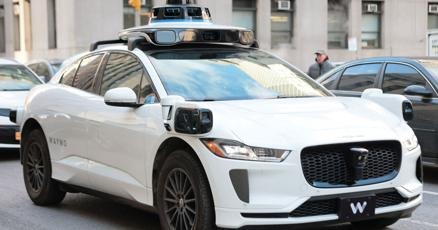
What went wrong came later, says Di Jin from South Bay, who rode a Waymo self-driving cab to San Jose Mineta International Airport. Smooth trip, nothing out of place during travel. Trouble began once the car stopped at the terminal.
Out comes the man, ready to grab his bags from the trunk – only the latch refuses to budge. While he stands there puzzled, the car moves on its own, rolling away toward a Waymo facility, suitcase and all. No warning. Just silence as it disappears down the road.
What happened at the curb
Jin mentioned reaching out to Waymo’s help team once he noticed the bags had vanished. At that point, they explained the car was moving and couldn’t change course.
Only after some time did Waymo say his belongings were safe. Yet Jin claims they never arranged delivery of the things to him. What he got instead, he recalls, was a few free trips – just enough to go pick them up on his own.
Out of his hands, the trunk issue seemed anything but fair to him. The fix? Not something he could accept.
Funny thing – Jin mentioned backing self-driving tech overall, yet walked away unimpressed by what happened. Still, his stance on automation didn’t shift much after that ride.
What this means for people who use it
Something breaks. Who steps in fast enough to fix it? That question sits at the heart of driverless transit struggles.
When a person is driving, lost luggage or a stuck trunk gets fixed fast. Talking it out helps. Turning back works too. Without a driver, help comes through distant workers. Software steps in. Rules decide what happens next.
A small hiccup might drag on, turning brief waits into long ones – think airport checkpoints, where every minute ticks louder than expected.
Luggage matters more than most realize when you are on the move. Holding passports, tools for your job, medicine, presents, or things essential for what comes next – its role goes beyond just carrying stuff.
Growing concerns over responsibility
Left-behind belongings? Waymo says it won’t cover them. Most companies in the rideshare world use similar wording.
This situation feels unlike the usual story of a lost phone. What makes it stand out is Jin’s claim that leaving the bags behind wasn’t a mistake. His reason? The trunk refused to unlock, trapping everything inside.
Getting access turned out impossible, so walking away was his only move.
Customers might care about this difference when choosing if self-driving cars can handle stressful trips – say, getting to an airport on time. Whether the system holds up under pressure becomes a real concern once luggage, schedules, and nerves enter the picture.
One step closer to normal might be how riders see robotaxis as they show up for grocery runs or school drop-offs. Instead of marveling at sensors, attention could shift to whether the backseat latch works without a glitch. A delayed fix from customer help may matter more than top speed. Smooth rides start with basics – like getting stuck in rain because an app glitch locks passengers out.
The bigger picture
Driverless car makers usually talk about accident stats, detailed maps, or how far their cars go without crashes. Important numbers, sure. Yet people might stop believing just because of small mistakes that feel careless up close.
Out of sight, a dropped bag transfer might seem small next to broader travel issues. Yet when someone waits roadside, empty handed, nothing else weighs as much.
One step forward, a few steps back – that’s where self-driving taxis stand now. Waymo and its peers push to blend into daily life without fanfare. A single stumble reminds everyone: smooth sailing is still miles off.
Subscribe to my whatsapp channel
