
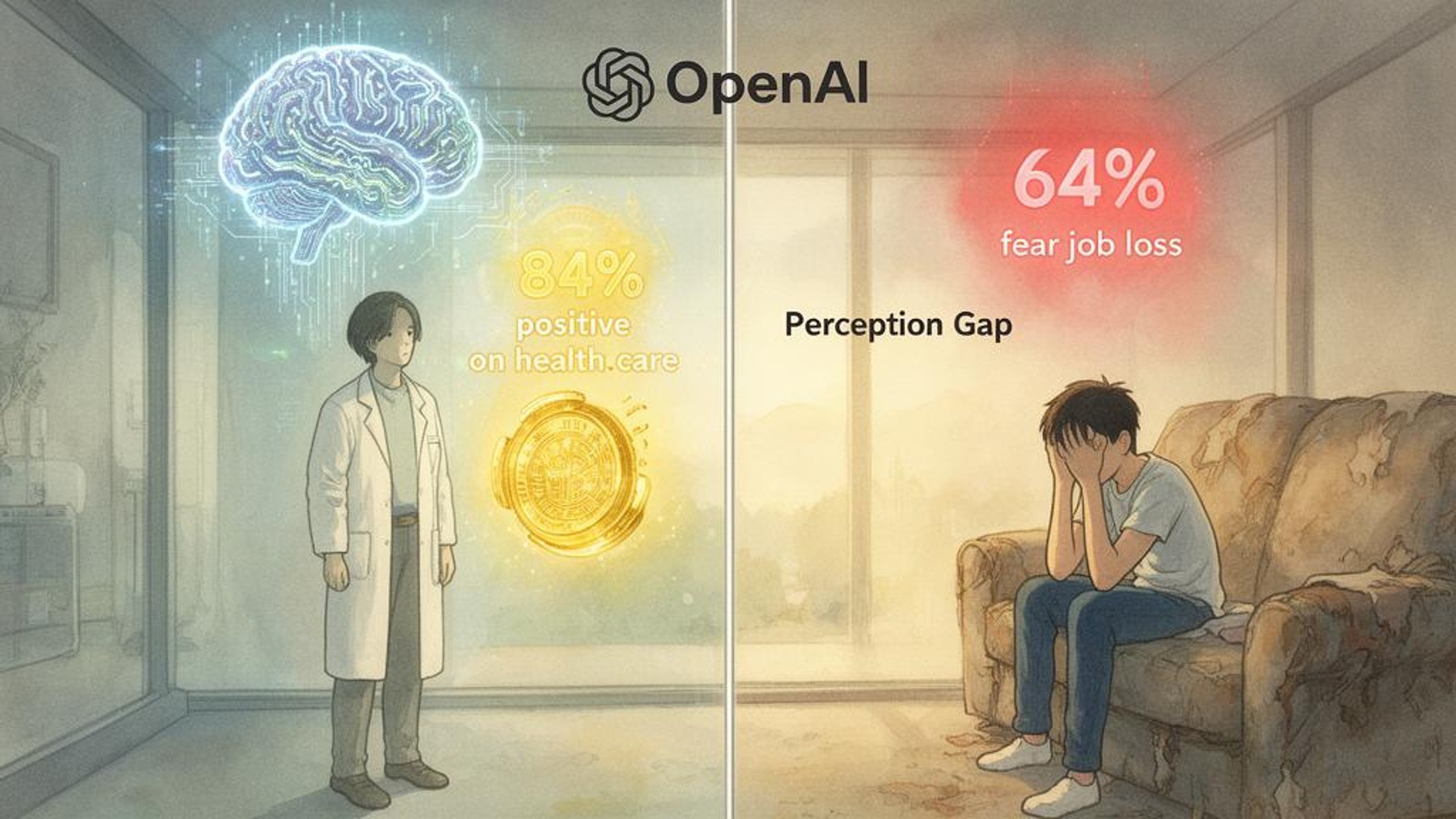

Lately, feelings about artificial intelligence seem to shift. That shift? It’s moving away from what tech companies expected.
Half of those asked by Stanford’s 2026 AI Index Report admitted feeling uneasy around AI products. Yet enthusiasm is fading fast – quite unlike the high hopes seen when ChatGPT first caught on. That early wave of wonder now seems distant. A shift has clearly taken hold.
Here’s why that change counts: AI escaped test environments long ago. Inside everyday tech it lives now – search boxes, work programs, help desks, job filters, even school screens. Lose faith in these pieces and what comes next stumbles. Trust frays, progress slows.
The gap between builders and everyone else
What stands out most in the report is how far apart experts and the public have drifted. The gap keeps growing, not shrinking. Where specialists see progress, many people feel left behind. Their views pull further apart with time. This split shows up clearly across several sections. It does not fade under closer look. Instead, it becomes harder to ignore.
Most folks deep in AI still talk about doing things faster, discovering new science, also boosting economies over time. Elsewhere, different worries take center stage – losing jobs comes up a lot, along with false information spreading easily, personal data feeling less safe, plus unease around complex technologies rolling out without clear explanations.
For two years now, that pressure has stuck around. Products rush out the door – yet concerns grow about safeguards showing up late, or simply missing altogether.
Three times more AI safety issues popped up after ChatGPT arrived, says Stanford’s latest review. Not all caused major harm, yet the pattern feeds unease – progress now outpaces guardrails built to manage it.
Younger users aren’t automatically sold
What stands out most might be the source of that irritation.
Younger people, once quick to try chatbots and AI art apps, now show more skepticism in some findings. Comfort with tech doesn’t always mean lasting trust. A shift creeps in where excitement used to be. Early adoption gave way to second thoughts, visible in recent numbers. What felt novel at first now faces closer looks. Attitudes dip slightly, unlike the initial rush seen before. Not every trend sticks, especially when real use begins.
What bothers folks isn’t so much robot uprisings. It’s the flood of junk online. Answers that miss the point pop up too often. Work feels harder now, not easier. New tools arrive without warning, shoved into apps just because they can be.
A tougher road ahead for tech companies
A tougher environment takes shape for artificial intelligence companies, shaped by sharper politics and cultural pushback.
Lately, voices urging a halt to AI progress have risen in number, often paired with tougher remarks aimed at tech executives pushing forward. Emotions are running high, evident in some of the more intense responses that have surfaced. The conversation now carries weight beyond facts – feelings shape it just as much.
Start here. The message hits hard for Silicon Valley. Relying only on stronger algorithms might miss the point now. When workers fear their jobs are at risk, trust fades. Picture facts feeling shaky, friendships growing distant – then numbers on a chart lose meaning. Real approval needs more than benchmarks crossed.
Subscribe to my whatsapp channel
