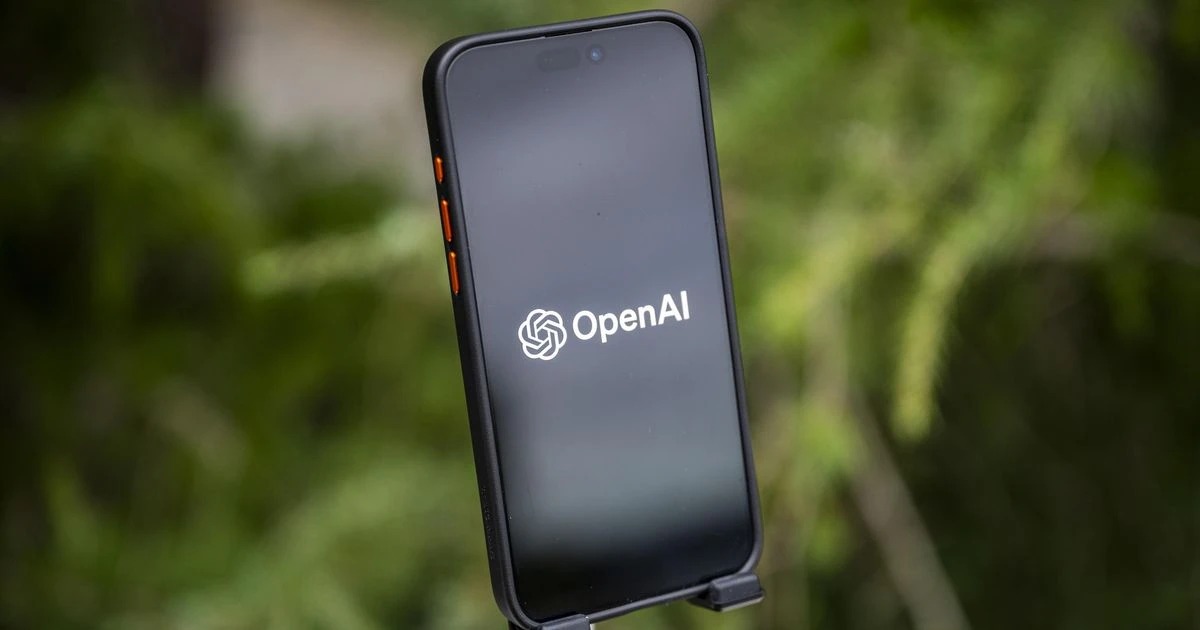

OpenAI is reportedly accelerating plans for its first smartphone, with mass production targeted for the first half of 2027. On paper, it sounds like another tech company trying to enter a brutally crowded market. In reality, it may be something more ambitious: an attempt to own the next interface layer before someone else does.
Because phones are no longer just phones. They are gateways to attention, payments, identity, habits, location, and behavior. If OpenAI wants AI to become the operating system of daily life, renting space inside Apple’s iPhone or Google’s Android ecosystem may not be enough.
Why software giants suddenly want hardware
This strategy has precedent. Google bought into hardware with Pixel to showcase Android and AI features. Amazon built Alexa devices to place its assistant in homes. Meta launched smart glasses because it knows smartphones are controlled by others.
OpenAI faces the same structural problem. Today, ChatGPT lives inside app stores and browsers controlled by competitors or gatekeepers. Notifications, permissions, default settings, background processes — all of it depends on someone else’s rules.
A dedicated OpenAI phone changes that equation.
Instead of opening separate apps for food delivery, travel, messages, shopping, or scheduling, users could theoretically tell an AI system what they want, and the device handles the rest. That’s the promise of an “intent-driven” model: fewer taps, less app hopping, more delegation.
It sounds elegant. It also sounds slightly unsettling.
Convenience comes with a price tag nobody sees
To work well, an AI-first phone would need deep contextual access: calendars, messages, contacts, movement patterns, purchases, browsing behavior, maybe even tone of voice. The better it knows you, the better it performs.
That creates the central trade-off. Consumers say they want privacy, but history shows many trade it away for convenience in seconds.
OpenAI reportedly plans advanced security features like pKVM isolation and inline hashing, which could help protect sensitive data. Still, technical safeguards do not automatically answer the trust question. Users may ask a simpler one: who gets to know everything about me?
Why 2027 matters
The rumored 2027 timeline, ahead of a potential IPO, is hard to ignore. Public markets reward growth stories, and few stories are bigger than “we are building the next platform after smartphones.”
Even if shipments reach tens of millions, that would still be tiny next to Apple or Samsung volumes. But scale may not be the first goal. Influence might be.
If OpenAI can persuade users that AI should sit above apps, above search, above even the operating system itself, then the device becomes a wedge into a larger future.
The most important part of this phone may not be the processor, battery, or camera. It may be whether people are ready to let software act on their behalf — and whether they notice what they give up when they do.
Subscribe to my whatsapp channel
